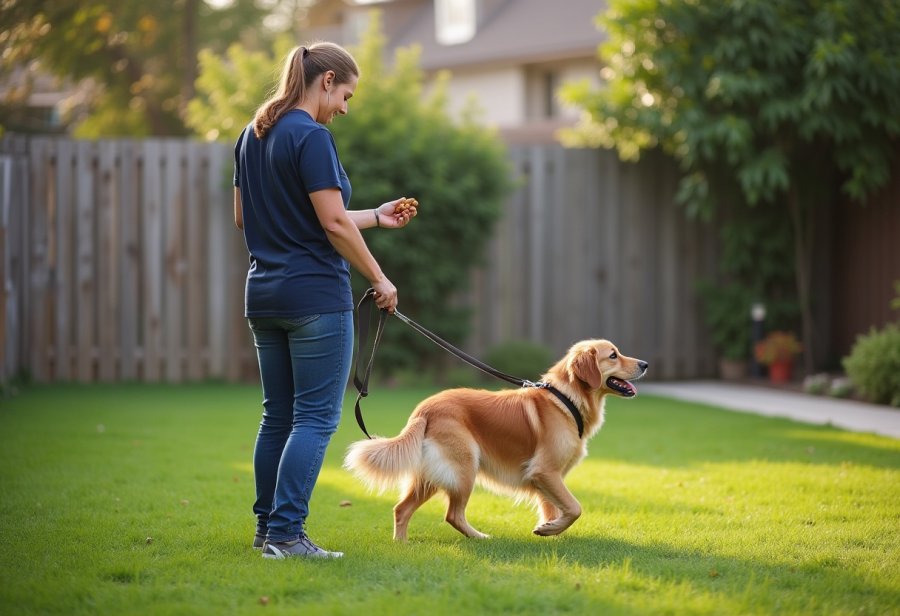


A dog’s outdoor walk is far more than routine exercise—it’s a profound experience of joy, discovery, and connection. From the wagging tail and eager nose to the sensory-rich environments of parks and trails, each outing feeds a dog’s natural instincts and boosts emotional well-being. These moments foster trust, confidence, and a deep bond between pet and owner, turning simple routines into meaningful rituals. As our understanding evolves, so do practices: new environments, innovative gear, and social opportunities enrich these shared adventures. Looking ahead, technology and sustainability promise to transform walks into personalized, environmentally conscious experiences that deepen emotional bonds and foster mutual growth. But amid these innovations, the core remains unchanged—outdoor walks are a celebration of life’s simplest pleasures, reminding us that the greatest happiness often lies in exploration, trust, and companionship. Are we truly harnessing their full potential to create enriching, joyful moments for our dogs?
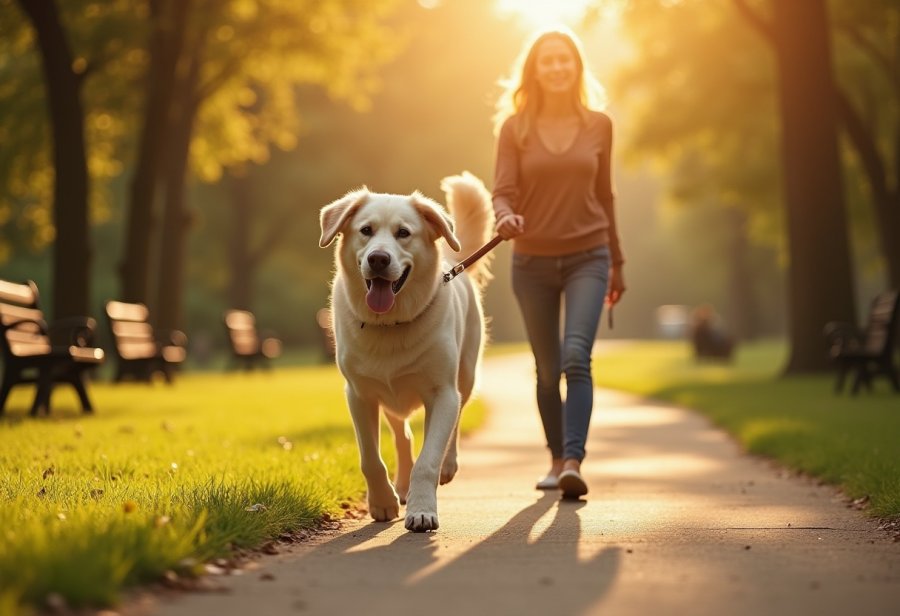
Uncover the Joy and Bonding Power of Outdoor Dog Walks
Few moments in a dog’s day bring more genuine joy than heading outside for a walk. It’s not just about moving from one place to another; it’s an invitation for dogs to experience happiness through exploration and sensory engagement. When they step into the fresh air, their faces light up—tail wagging and noses to the ground—fully immersed in the world around them. These outings turn ordinary routines into mini adventures that lift their spirits and satisfy their natural curiosity.
Outdoor walks are essential for a dog’s mental and emotional well-being. They break the monotony of indoor life and open up a rich tapestry of sights, smells, and sounds. Each new environment stimulates their senses and helps reduce boredom, which can lead to destructive behaviors. When dogs pause to sniff or explore, they’re engaging in natural instincts that foster confidence and contentment, making these moments truly meaningful.
Beyond the physical activity, walks strengthen the bond between dogs and their owners. Sharing outdoor adventures builds trust and companionship, as dogs learn to rely on their humans for safety and guidance. When a dog responds to cues or seeks praise, it’s more than just a moment of fun—it’s a shared experience rooted in mutual trust. These routines become rituals of connection, transforming a simple walk into a meaningful act of togetherness.
Natural settings like parks, forests, and open fields amplify this joy, offering a sensory-rich environment that indoor spaces can’t match. These open areas provide a sense of freedom and security, encouraging dogs to relax and explore confidently. The variety of textures, scents, and sights in these spaces helps deepen their emotional well-being and builds trust in their surroundings, all while strengthening the owner-pet bond.
Watching a dog pause to sniff or investigate is like catching a glimpse of what makes these walks so special. It’s not just about moving forward; it’s about engaging with the environment on a sensory level. These small moments of discovery—sniffing trees, feeling the breeze—turn a routine walk into a source of genuine happiness and trust. They serve as reminders that the simplest acts of exploration hold the greatest emotional benefits.
In the end, outdoor walks are more than a daily routine—they’re opportunities for joy, discovery, and connection. These moments of adventure nurture emotional well-being, foster trust, and create lasting memories. For dogs and their owners alike, these walks are gentle reminders that life’s greatest pleasures often come from simple acts of exploration and companionship.
Discover What Truly Makes Walks Happy Moments for Dogs—and How You Can Enhance Them
Outdoor walks are particularly joyful for dogs because they tap into their natural instincts and senses in ways that indoor environments simply can’t replicate. Every new scent, sight, and sound provides mental stimulation, keeping their minds active and engaged. When dogs explore natural surroundings like leafy trails or open fields, they experience a sense of freedom and curiosity that boosts their confidence and emotional well-being. This variety makes each walk feel like a new adventure, which is essential for their happiness.
Owners can make these outdoor experiences even more enjoyable by paying close attention to what their dog prefers. Some dogs love sniffing around specific spots or chasing a ball, while others thrive on social interactions with other dogs or people. Allowing them to explore at their own pace and encouraging their natural behaviors—like sniffing, digging, or pausing to rest—helps deepen their joy. Giving space for unstructured exploration makes each outing more fulfilling and less about just covering miles.
The social aspect of outdoor walks plays a significant role in a dog’s happiness. Dogs are inherently social animals, and positive interactions with other dogs or humans boost their sense of belonging. Proper socialization during walks reduces feelings of loneliness or anxiety, especially for timid or shy dogs. When these social encounters are positive and gradual, they help build confidence and trust, turning walks into opportunities for emotional growth and learning.
Natural settings like parks or wooded trails are especially effective at elevating a dog’s mood. These environments offer a rich sensory landscape—fresh air, rustling leaves, the scent of trees—that stimulates their senses in ways indoor spaces can’t match. Being surrounded by nature helps dogs relax more and feel safer, encouraging them to explore comfortably. This not only reinforces trust in their surroundings but also in their owner, who guides them through these enriching adventures.
Sniffing isn’t just a habitual activity for dogs; it’s a vital part of how they interpret their environment and learn about the world. Watching a dog pause to investigate a scent or lick a particular spot reveals their engagement and satisfaction. These small moments of sensory discovery transform a simple walk into a deeply rewarding experience, strengthening the bond with their owner and fostering a sense of trust. It’s in these tiny, sniff-filled pauses that much of the joy of walking truly resides.
Beyond the physical and sensory benefits, outdoor walks serve as a way to deepen the owner-dog relationship. When a dog relies on their owner’s guidance and shares in the excitement of new environments, trust naturally grows. Praising and encouraging exploration during walks fosters feelings of safety and companionship, making each outing a shared adventure. Over time, these outdoor moments become foundational for mutual understanding and emotional connection.
Understanding what makes outdoor walks joyful for each dog requires observing their individual preferences. Some may enjoy long, brisk hikes, while others prefer gentle strolls with frequent sniffing breaks. Respecting these differences and tailoring walks accordingly ensures a positive experience. When owners tune into their dog’s cues and pace, outdoor walks become not just routine exercise but personalized routines that nurture trust, confidence, and love.
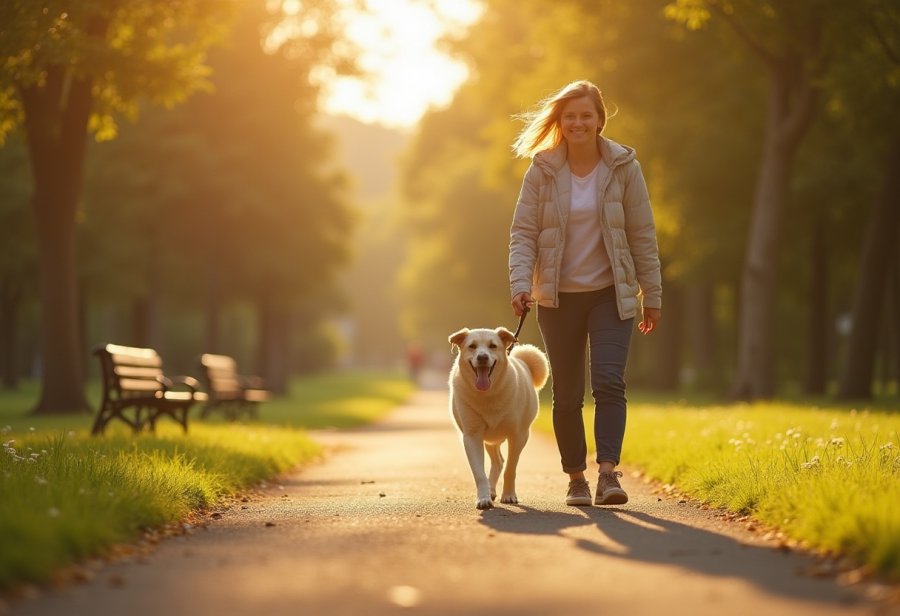
Explore Modern Attitudes and Practices Shaping Today’s Dog Walking Landscape
Today, how we approach dog walks blends tradition with a growing awareness of what truly benefits our pets. Many owners still stick to familiar routines—morning neighborhood strolls or quick park visits—that provide a sense of stability and comfort for dogs. But alongside these habits, there’s a noticeable shift toward making walks more engaging and enriching. People are exploring new environments like nature trails, beaches, and off-leash parks, which offer a richer sensory experience. These settings turn a simple walk into an adventure, helping dogs gain confidence and reduce stress through varied sights, sounds, and smells.
Advances in pet gear also shape current practices. Harnesses, GPS trackers, and interactive toys are more than just convenience tools—they enhance safety and engagement. These innovations allow owners to provide their dogs with more freedom and control during outdoor outings, making walks more enjoyable and less stressful. As a result, outdoor routines are evolving from basic exercise into holistic experiences that promote physical activity, mental stimulation, and emotional well-being.
Socialization has become a key focus in contemporary dog walking. Organized group walks, community pet events, and dog meetups create opportunities for dogs to interact with other animals and people. These interactions are vital for building confidence, reducing anxiety, and fostering a sense of belonging. When managed well, social encounters during walks turn routine outings into valuable moments for learning and emotional growth, strengthening the bond between pet and owner.
Urban environments still pose challenges, like traffic and crowded sidewalks, but owners are getting creative. Early mornings, off-leash zones, and designated trails help maintain spontaneity and ensure safety. These solutions allow dogs to enjoy the freedom they crave while respecting safety concerns. Such efforts help preserve the spontaneity and joy that outdoor walks bring, making them more fulfilling and less constrained by urban limitations.
A broader movement toward responsible pet ownership influences current attitudes. Eco-friendly gear, from biodegradable waste bags to sustainably sourced equipment, reflects growing environmental awareness. Communities are investing in pet-friendly spaces designed with both safety and sustainability in mind—creating parks, green corridors, and natural trails that encourage exploration in safe, enriching environments.
Training and education also shape modern practices. More owners seek advice from trainers or online resources to improve leash manners, recall, and social skills. Positive reinforcement techniques foster calmer, more respectful dogs, making outdoor walks more relaxed and enjoyable. When dogs understand expectations and feel confident, these outings become opportunities for gentle learning and mutual trust, deepening the owner-pet connection.
Integrate Everyday Walks into Your Dog’s Care Routine for Health, Happiness, and Deeper Connection
Daily walks are a cornerstone of responsible dog care, offering benefits that go far beyond physical activity. Establishing a consistent routine—whether it’s morning, evening, or both—creates a sense of stability and predictability that helps dogs feel secure and confident. These regular outings support overall health by preventing obesity, promoting cardiovascular fitness, and reducing behavioral issues linked to excess energy. When walks become a dependable part of daily life, dogs learn to anticipate and look forward to these moments, strengthening their emotional well-being.
But the true value of walks lies in their capacity to stimulate a dog’s mind. Changing routes, exploring new environments like parks or trails, and encountering different scents and sounds turn each outing into a fresh adventure. This variety keeps a dog’s curiosity alive and prevents boredom, which can lead to destructive behaviors indoors. Incorporating new experiences gradually helps build confidence, encouraging dogs to feel more comfortable and relaxed in unfamiliar settings, and making every walk a mini journey of discovery.
The social aspect of outdoor walks plays a crucial role in a dog’s happiness. Encounters with other dogs or friendly people provide opportunities for healthy socialization, teaching dogs important cues and building their trust. Properly managed interactions help shy or anxious dogs develop confidence and reduce feelings of loneliness or stress. These positive experiences during walks not only enhance their emotional resilience but also deepen the bond between pet and owner, transforming routine exercises into moments of shared growth.
Using appropriate gear makes daily outings safer and more enjoyable. A well-fitted harness offers better control, especially for energetic or strong pullers, while reflective accessories or LED collars boost visibility during early mornings or late evenings. Carrying essentials like water, waste bags, and a small first aid kit ensures you’re prepared for any situation, keeping the experience stress-free for both of you. Thoughtful planning and the right equipment turn everyday walks into safe, enriching routines that foster trust and reinforce your dog’s sense of security.
Training and mindfulness are key to making walks both fun and beneficial. Reinforcing commands such as “sit,” “stay,” and “come” with positive reinforcement builds respect and understanding. Teaching leash manners, like discouraging pulling, creates a calmer, more controlled environment, allowing your dog to explore freely without stress. When your dog feels confident and well-behaved, outdoor outings become opportunities for gentle learning, mutual trust, and deeper connection. Preparing for unexpected situations—carrying water, waste bags, and staying alert—ensures each walk remains a positive, enriching experience that enhances your pet’s physical and emotional health.
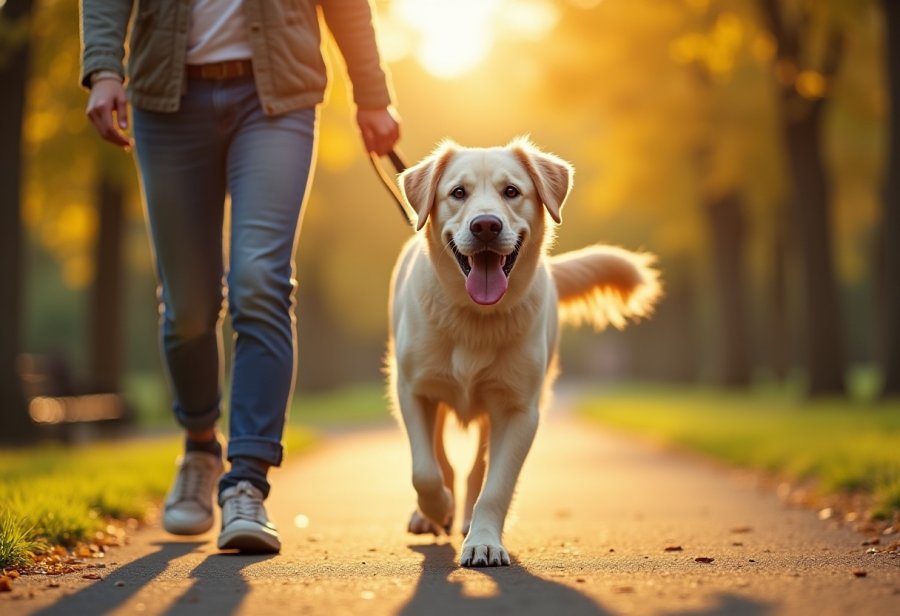
Envision the Future of Dog Walks: Innovations and Trends Transforming Adventures in the Years Ahead
Looking ahead, the way we approach dog walks is set to become more personalized and infused with innovation, thanks to technological advancements and evolving attitudes toward pet care. Wearable devices like GPS collars and activity monitors will likely help owners tailor outdoor routines, providing real-time insights into their dog’s mood, energy levels, and health needs. This data-driven approach will make each walk more engaging and responsive, transforming routine outings into meaningful moments of connection and understanding.
Sustainability is also poised to shape the future of dog walking. Eco-friendly gear—such as biodegradable waste bags, sustainably sourced harnesses, and environmentally conscious leashes—may become standard. As communities invest in greener, more pet-friendly spaces, parks and trails designed with ecological impact in mind will encourage off-leash exploration in safe, natural settings. These developments aim to enrich dogs’ outdoor experiences while also respecting and preserving the environment we share.
Urban planning will continue to evolve to accommodate the needs of active dogs and their owners. Cities are increasingly investing in dedicated off-leash zones, natural trails, and innovative safety features like virtual fences. These spaces will offer dogs more freedom and variety during their walks, making outdoor routines less routine and more adventure-filled. Such environments will foster trust, confidence, and joy, transforming everyday walks into opportunities for discovery and bonding.
Technology’s role in strengthening the owner-pet relationship will deepen further. Wearable devices might soon provide real-time feedback on stress levels or activity patterns, prompting owners to modify routines or introduce calming activities. Virtual reality and augmented reality tools could simulate outdoor experiences indoors, helping dogs stay mentally stimulated when outdoor access is limited. These innovations will make walks more than just physical exercise—they’ll become holistic moments of emotional enrichment.
As these trends develop, owners will need to stay adaptable and open-minded. Embracing new gear, sustainable practices, and community resources will help create outdoor routines that are safer, more stimulating, and more enjoyable for dogs. The focus will shift from merely covering ground to enriching each moment—turning walks into meaningful experiences that foster mutual trust and love.
Despite technological and environmental changes, the core of dog walking remains unchanged: it’s about connection, exploration, and joy. Future routines will be more tailored, sustainable, and tech-enabled, but their purpose will stay the same—providing dogs with fulfilling outdoor moments that nurture their happiness and deepen the bond with their owners. This simple act will continue to reflect our growing understanding of pet well-being and companionship.
In the end, the future of dog walks promises a blend of innovation and mindfulness, where every outing is seen as an opportunity for growth and joy. As pet owners become more conscious and creative, walks will evolve into richer, more rewarding experiences—full of trust, discovery, and shared happiness. No matter how much technology advances or how many new spaces open up, the most meaningful walks will always be those that strengthen the love and trust between dogs and their humans.