


Imagine transforming your daily walks from chaotic pulls and distractions into peaceful, bonding moments with your dog—are you ready to unlock this calm, mutually rewarding connection? Mastering the art of walking calmly at your side isn’t just about obedience; it’s about fostering trust, confidence, and harmony between you and your pet. This guide reveals how patience, positive reinforcement, and understanding dog communication can turn routine outings into shared experiences of success and tranquility. While modern training tools and resources abound, consistency and patience remain essential, especially in navigating distractions, breed temperaments, and setbacks. Real stories illustrate how dogs, from energetic puppies to anxious adults, can learn to walk politely, transforming stressful trips into joyful adventures. With manageable steps and a gentle approach, you’ll discover that a calm, focused walk not only improves your dog’s behavior but also deepens your bond, making every walk a peaceful moment of trust and connection—are you ready to begin this rewarding journey?
Mastering Calm Leash Manners: Building Trust and Connection
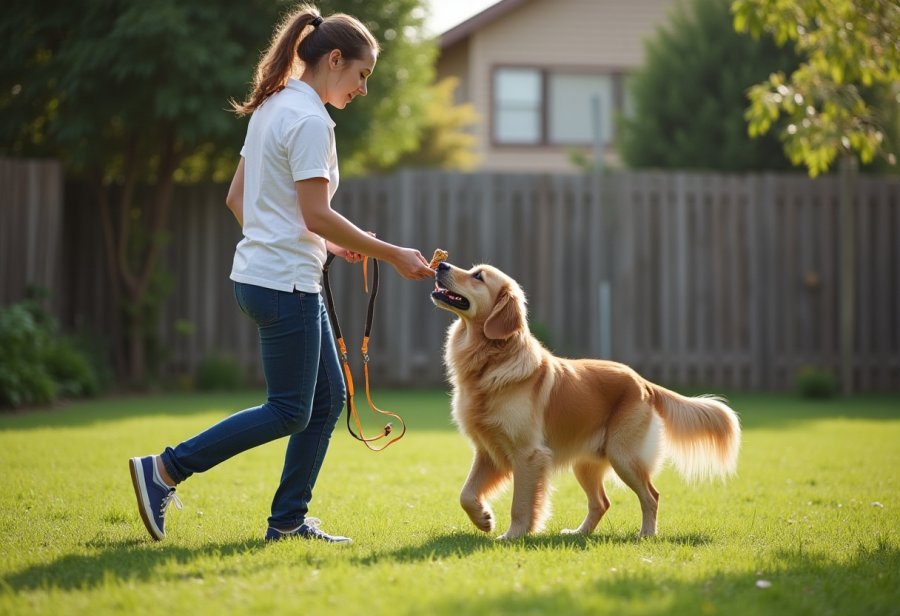
Walking calmly with your dog might seem straightforward, but it’s actually one of the most valuable skills you can develop as a pet owner. A peaceful walk isn’t just about preventing pulling or lunging; it’s about creating a shared moment of trust and connection. When your dog stays relaxed, focused, and close to your side, it transforms an everyday activity into an opportunity to strengthen your bond.
Mastering calm leash manners isn’t just about good behavior—it’s about building a relationship rooted in mutual respect. Dogs that walk politely tend to feel more confident and less anxious, making outings less stressful for everyone involved. Plus, a well-behaved dog on a leash reduces the risk of sudden pulls or surprises that could lead to accidents, making every walk safer.
Achieving this harmony takes patience, consistency, and positive reinforcement. It’s not about forcing your dog into perfect behavior overnight but guiding them step-by-step with encouragement and clear cues. When your dog learns that walking calmly is rewarding and enjoyable, they’re more likely to stay relaxed and focused during every outing.
This guide will help you develop practical skills to teach your dog calm leash manners. We’ll explore effective communication, how to use rewards wisely, and how to build your dog’s confidence gradually. With effort and patience, your daily walks will become shared moments of trust, calm, and connection, turning routine outings into peaceful bonding experiences.
Understanding Dog Communication and Positive Reinforcement Foundations
Understanding calm dog walking begins with recognizing how dogs communicate and interpret their surroundings. Dogs are social animals that rely heavily on body language, facial expressions, and subtle cues to understand what’s happening around them—and what their owners expect. Being able to read signs of stress, excitement, or focus is essential for guiding your dog effectively and avoiding misunderstandings during walks. This awareness forms the backbone of teaching calm leash manners.
Modern training approaches have shifted away from harsh corrections toward positive reinforcement, patience, and kindness. Rewarding good behavior builds trust and cooperation, especially when working on leash skills. When a dog associates walking calmly with treats and praise, they become more motivated to stay relaxed and focused, making training more enjoyable for both of you.
Body language plays a pivotal role in this communication. A relaxed dog with a wagging tail and soft eyes usually signals happiness and comfort. Conversely, pinned ears, lip licking, or tense posture can indicate discomfort or stress. Recognizing these signals helps you know when your dog is ready to move forward or needs a break, making your training sessions more effective and less stressful.
Training techniques now emphasize consistency and positive reinforcement. Using treats, praise, and calm cues helps your dog understand what’s expected. Avoiding harsh corrections fosters a safe environment where your dog feels confident and eager to learn. This gentle approach encourages a trusting relationship that makes calm, peaceful walks possible.
By grasping these core concepts—dog communication, body language, and positive reinforcement—you lay a solid foundation for effective leash training. This understanding not only improves your dog’s behavior but also deepens your bond, transforming daily walks into moments of mutual trust, calm, and connection.
Navigating Today’s Diverse Training Resources and Overcoming Common Challenges
Today, the landscape of dog training is more diverse than ever, offering a wide array of resources—from online tutorials and apps to local classes and professional trainers. This abundance makes it easier for owners to find approaches that suit their schedule and their dog’s personality, but it can also be overwhelming. Sorting through different philosophies and techniques often leaves owners unsure about what will work best for their unique situation.
Maintaining consistency remains one of the biggest hurdles. Busy routines, unexpected distractions, and life’s daily chaos can break the rhythm of training, slowing progress or causing setbacks. Dogs thrive on regular, predictable practice, so irregular sessions can hinder their learning and weaken the habits you’re trying to build. Introducing your dog to environments with more noise and activity adds another layer of challenge, as their focus naturally shifts with every new smell or sound.
For many owners, especially those with energetic or easily distracted dogs, finding effective strategies is a common struggle. Some breeds or individual dogs are naturally more excitable, requiring tailored approaches and patience. Despite the wealth of resources, sticking with a plan over time can feel daunting, especially when progress seems slow or behaviors revert.
While technology provides helpful tools like clickers, training apps, and remote trainers, these are only aids—not quick fixes. Real success depends on owner commitment, patience, and consistent effort. Without steady practice, even the best tools won’t deliver lasting results. Recognizing these challenges helps set realistic expectations and encourages a personalized, manageable training approach.
Many owners experience frustration at some point, but setbacks are part of the process. Every dog learns at their own pace, and persistence pays off. With the right mindset and a clear plan, most pet owners can navigate this busy landscape, cultivating calm, confident leash manners that turn daily walks into peaceful, bonding moments.
Budget-Friendly Strategies for Effective Calm Walking Training
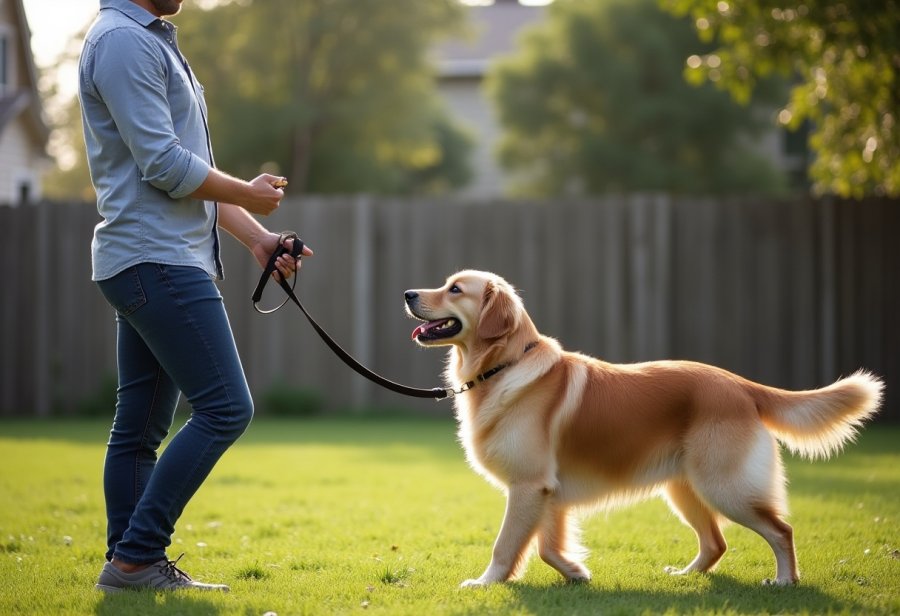
Training your dog to walk calmly doesn’t have to be expensive, but understanding the costs involved helps you plan your approach wisely. Basic gear such as a sturdy leash, a comfortable harness, or a collar are affordable essentials that set the foundation for good leash manners. Investing in quality treats or a clicker for positive reinforcement may be a small expense, but it can significantly boost your training results by keeping your dog motivated and focused.
If you opt for professional help through trainers or classes, prices can vary widely based on location and session frequency. While these options come with an upfront cost, many owners find that personalized guidance accelerates progress and makes training more effective. Remember, consistent practice at home using simple tools and techniques often produces excellent results without breaking the bank.
Good equipment tends to last longer and function better, saving you money over time. A well-made harness, for example, not only improves control but also keeps your dog comfortable, making training sessions smoother and more enjoyable. Treats and praise are low-cost but crucial; regular positive reinforcement helps solidify calm leash manners and focus. Many free or inexpensive online resources, including videos and tutorials, offer valuable guidance for those working within a budget.
Balancing spending with effort is key. Investing in quality tools and occasional professional advice can pay off by creating a calmer, more confident dog, which may reduce future behavioral problems that could be costly to fix later. Even with a tight budget, consistent routines and positive reinforcement are all you need to see meaningful progress in your dog’s behavior.
Ultimately, the most significant investment is your time and patience. Small, affordable steps taken regularly can lead to lasting change. This approach ensures your training routine is sustainable and effective, fostering trust and calm during every walk without unnecessary financial strain.
Real-Life Success Stories: Transforming Outings into Peaceful Bonds
Calm walking can truly change everyday life for both dogs and their owners, as many stories demonstrate. Take Sarah and her Labrador, Max. Before focusing on leash manners, their walks were often frustrating—Max pulling ahead, distracted by passing cars or squirrels, sometimes lunging at other dogs. Since consistent training, Max now walks politely at Sarah’s side, paying attention and staying relaxed. Their trips to the park are peaceful, turning what was once a stressful activity into a shared moment of connection.
Stories like theirs highlight how training for calm leash manners transforms chaotic outings into opportunities for bonding. When dogs walk calmly, owners feel more in control and less anxious about sudden pulls or surprises. This sense of safety allows them to enjoy the surroundings rather than worry about managing behavior. As trust builds, dogs begin to see walks as positive, shared experiences instead of stressful chores, deepening the bond between pet and owner.
The benefits extend beyond behavior. Calm walks often lead to a calmer overall demeanor in dogs, reducing anxiety in other situations like vet visits or social settings. Owners report feeling less stressed and more confident, which encourages more relaxed outings. Over time, dogs learn that staying focused and composed is rewarding, making each walk a peaceful adventure that strengthens mutual trust.
Many owners have seen remarkable progress, from energetic puppies to older dogs with behavioral quirks. Even dogs with a history of pulling or reactivity can improve significantly with patience and consistent effort. These real-life stories prove that calm leash walking isn’t just a skill—it’s a foundation for a stronger bond and a happier, more balanced life for everyone involved.
Step-by-Step Guide to Implementing Calm Walking Training
To start your calm walking training, pick a quiet environment like your backyard or a peaceful neighborhood street. Keeping the setting calm and distraction-free helps your dog focus and makes it easier to establish good habits. Keep each session short—around five to ten minutes—and aim to end on a positive note, so your dog feels successful and eager to try again.
Begin by teaching simple cues, such as “heel” or “focus.” Hold a treat near your face and encourage your dog to look at you. Reward immediately when they do, reinforcing that paying attention to you is positive. Practice these cues in short bursts, gradually increasing the duration as your dog gets better at maintaining focus. This creates a strong foundation for walking beside you without pulling or distraction.
Reward good behavior right away with treats, praise, or gentle petting. When your dog walks calmly at your side, reinforce this behavior consistently. Use the same commands and rewards each time to help your dog understand what you expect. If your dog starts to pull or get distracted, gently redirect their attention back to you and reward calmness. Repetition and patience are key to turning these habits into lasting behaviors.
As your dog improves, slowly introduce more challenging environments, like busier streets or parks. Keep training positive and manageable, increasing difficulty gradually. Over time, your dog will learn that calm walking is rewarding and expected, making daily outings more relaxed. Remember, progress may be slow at first, but steady effort and positive reinforcement will pay off.
Stick to your routine and celebrate small wins along the way. Even minor improvements build confidence and trust. If setbacks happen, revisit simpler exercises or easier environments to rebuild your dog’s focus. Consistency and patience turn these steps into lifelong habits, transforming walks into peaceful, bonding moments for both of you.
Overcoming Common Obstacles: Practical Solutions for Calm Leash Manners
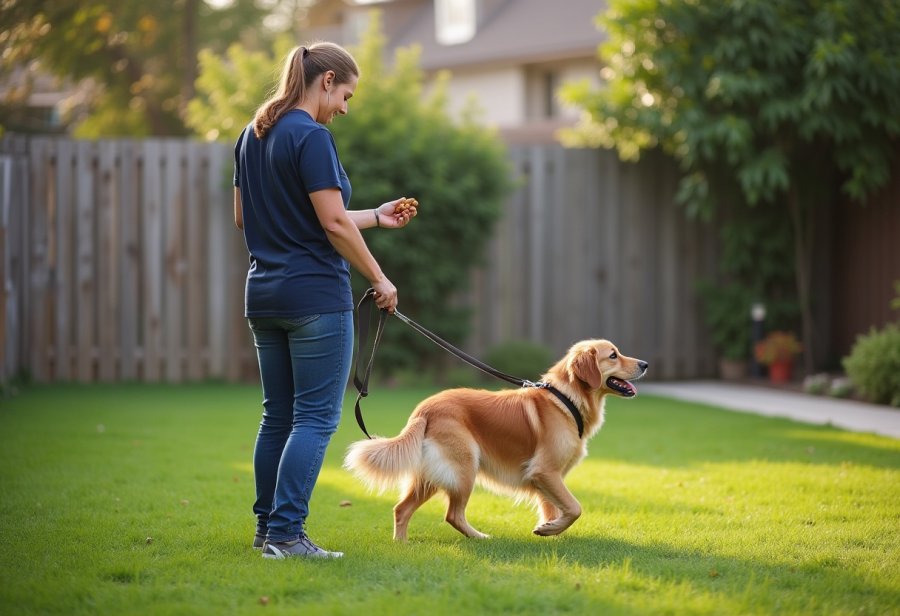
Training a dog to walk calmly can bring up a few common challenges, but understanding these hurdles and knowing how to handle them makes a big difference. Leash pulling is one of the most frequent issues, often caused by excitement, distractions, or natural energy. To counter this, consistently reward your dog when they walk beside you without pulling, and gently redirect their focus when they surge ahead. Over time, positive reinforcement helps your dog see that staying close is more rewarding than pulling forward.
Distractions can also throw a wrench in your training. Dogs are naturally curious and easily distracted by sights, sounds, and smells, especially in busy areas. The key is to start in quiet environments and gradually introduce more stimulating ones. Reinforce focus with treats and praise, and be patient—rushing into busy parks or streets too soon can lead to frustration for both of you.
Some dogs experience anxiety or fear during walks, which might show as trembling, pulling, or refusal to move. Managing this requires slow, positive exposure to new environments, pairing walks with treats and calm praise. Avoid forcing your dog into stressful situations, and give them time to build confidence. If anxiety persists, seeking help from a professional trainer can provide tailored strategies to help your dog feel more secure.
setbacks are normal in any training process. When progress stalls, revisit basic exercises like focus training, and keep sessions short and upbeat. Consistency is crucial; even small improvements add up over time. If certain issues persist, don’t hesitate to seek guidance from a trainer. They can offer personalized solutions that keep you on track, helping turn challenges into stepping stones toward calmer, more confident leash manners.