



Underground street racing is more than a pursuit of speed; it’s a vibrant culture that forges deep bonds rooted in loyalty, respect, and shared risk. These clandestine races transform neglected urban spaces into symbols of resilience and community pride, where diverse individuals unite through their passion for cars and adrenaline. The scene’s rituals, symbols, and codes foster a familial sense of brotherhood, turning fleeting moments of speed into lifelong relationships. But what makes these connections so enduring? Is it the shared dangers, the collective craftsmanship, or the unwavering trust that binds crews together? This high-octane world reveals that beyond the thrill of racing, it’s the unbreakable bonds formed amidst danger and adrenaline that truly define the culture. As neighborhoods transform and communities unite, underground racing illustrates how loyalty and resilience can turn a street into a sanctuary of purpose and belonging.
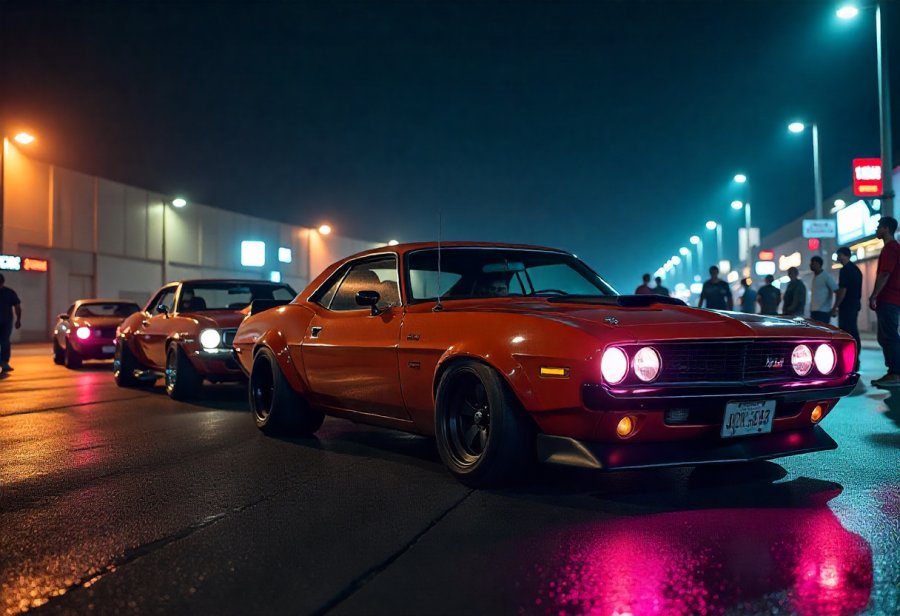
Underground Street Racing: A Culture of Resilience and Loyalty
Underground street racing isn’t just about the thrill of speed; it’s a vibrant subculture that thrives within urban neighborhoods worldwide. These races often take place in secret, in abandoned lots, quiet alleyways, or deserted streets where law enforcement’s reach is limited. For those involved, it’s more than just a race—it’s a way to find belonging in a world that can sometimes feel disconnected or overlooked. The scene emphasizes trust, loyalty, and shared passion, creating a space where participants see themselves as part of something bigger than individual competitions.
This underground world transforms ordinary city streets into arenas of resilience and creativity. For many young people, racing offers purpose and community in neighborhoods where recreational opportunities or social connections might be scarce. These clandestine gatherings turn neglected or overlooked areas into symbols of ingenuity and defiance, giving local streets a new sense of pride. Over time, they develop their own history and identity, shaping how residents and racers alike view their surroundings—with a deep-rooted sense of resilience and cultural vitality.
Beyond the adrenaline rush, underground racing brings together diverse groups who might not otherwise cross paths. Racers and spectators bond over their shared love for cars, modifications, and high-speed competition. These events act as grassroots gatherings that break down social barriers, fostering trust and camaraderie among people from different backgrounds. The visual markers—custom paint jobs, modified engines, and unique fashion styles—become symbols of identity and pride, turning street racing into a form of cultural expression that reflects the creativity and resilience of urban communities.
Despite the inherent risks—legal trouble, safety hazards, and external threats—many see underground racing as a vital outlet. It channels youthful energy into skill development, teamwork, and collective achievement. Crews often form around shared passions, developing rituals, symbols, and codes of conduct that deepen their sense of belonging. These relationships become vital threads in their local fabric, reinforcing loyalty and mutual respect in neighborhoods where other forms of community engagement might be limited.
Media portrayals, from movies to online forums, have helped romanticize this scene, adding mystique and allure. Modified cars, custom paint, and specific fashion styles become visual markers of identity, embedding street racing into urban culture. This visibility shapes how neighborhoods and participants see themselves—resilient, creative, and fiercely loyal—further embedding racing into the city’s identity. It’s a scene that celebrates craftsmanship, individuality, and resilience, turning streets into symbols of collective strength.
In essence, underground street racing is more than just a pursuit of speed; it’s a powerful expression of community and resilience. It transforms neglected spaces into sites of pride and belonging, forging bonds that last a lifetime. The shared risks, the collective effort, and the cultural symbols all contribute to a scene rooted in loyalty and kinship. These connections—built on trust, respect, and passion—give the scene its enduring strength, proving that sometimes, the most meaningful victories happen off the track.
Building the Foundation of Loyalty and Respect in Street Racing
Underground street racing groups are built on a set of core values that hold the scene together: loyalty, respect, and trust. These aren’t just words thrown around casually; they form the backbone of every crew. When racers come together, it’s often after hours of tuning engines, sharing insider knowledge, and establishing a common purpose. Loyalty is central—drivers trust each other with their rides, secrets, and safety, especially knowing that one mistake can have serious consequences. This unwavering commitment turns a loose collection of racers into a tight-knit family that depends on each other for survival and success.
Respect runs just as deep within these groups. Participants admire each other’s skills, dedication, and sacrifices made to stay part of the scene. Whether it’s the precision of a finely tuned engine or the bravery needed to race in dangerous conditions, respect reinforces their bonds. It also manifests in an unspoken code of secrecy, which is vital for protecting everyone’s safety and reputation. Trust isn’t given lightly; it’s earned through consistent effort, shared experiences, and mutual understanding that keep camaraderie strong even amid fierce competition.
To see how this applies in practice, refer to Valentina Campbell‘s article In the darkness, racing becomes a sacred ritual that unites the fearless on Wacky Blog.
The culture isn’t solely about high-speed adrenaline; it’s about forging relationships that last. Crews often form through late-night runs, close calls, and moments of vulnerability that create a sense of kinship rooted in shared risks and passions. Rituals, symbols, and shared stories further reinforce these bonds, making the crew feel like an extended family. Whether it’s a secret hand sign or a custom patch, these small acts serve as daily reminders of their collective identity and purpose, strengthening their connection beyond the race itself.
Trust is crucial, especially when racing in unpredictable environments. Drivers rely heavily on each other’s judgment, skills, and instincts to spot hazards and manage risks. This reliance transforms individual pursuits into a collective effort, where each member’s safety and reputation are interconnected. Such mutual dependence fosters a strong sense of belonging and accountability, ensuring that everyone looks out for one another, both on and off the track. This shared responsibility deepens the loyalty that keeps crews united through challenges.
Secrecy plays a vital role in maintaining the integrity of these groups. Races are often arranged in hidden locations, far from law enforcement or prying eyes. Protecting details within the crew preserves their mystique and ensures safety. Sharing secrets and safeguarding each other’s well-being aren’t just acts of loyalty—they are the fabric of their community. This confidentiality helps keep trust alive, allowing bonds to flourish despite external threats. Over time, these shared values and practices evolve into a culture of resilience, craftsmanship, and mutual respect that defines the underground racing scene.
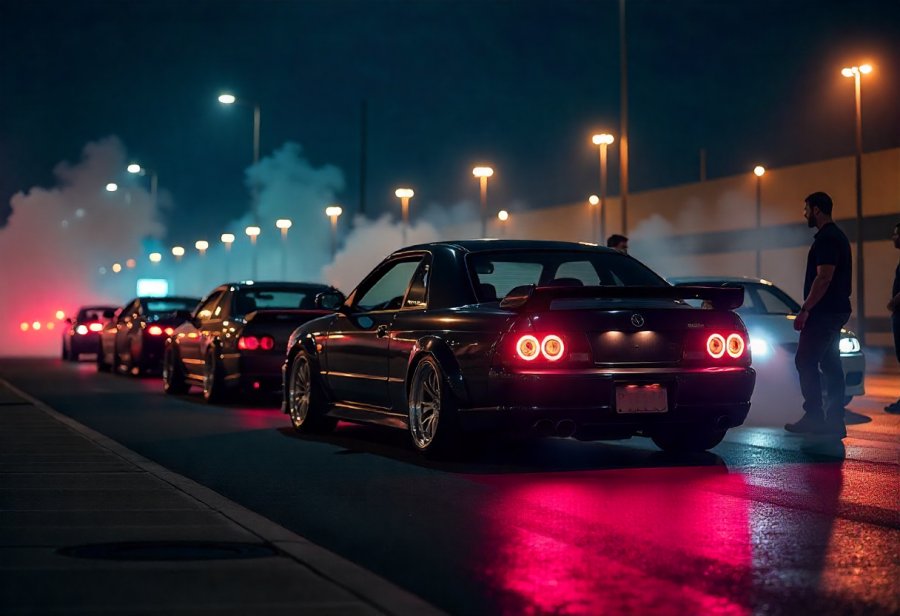
Brotherhood and Loyalty: Lifelong Bonds in the Underground Scene
Underground street racing often feels less like a competition and more like a family affair. The bonds formed in this high-stakes environment run deep and last long after the engines have cooled. Racers depend on each other not only during a race but throughout their shared experiences—late-night runs, close calls, and the constant need for trust. These relationships often evolve into lifelong loyalty, where teammates become brothers and sisters—people you can count on when the stakes are high.
The sense of brotherhood in underground racing is built on shared risks and common passions. Many crews describe their members as family, bonded through hours of tuning, pushing limits, and supporting each other through adversity. This trust is essential because, in such dangerous environments, a single mistake can have serious consequences. Racers rely on their teammates to watch out, share insider knowledge, and keep secrets that could jeopardize the entire crew if exposed.
Stories from the scene highlight how these bonds develop through shared vulnerability. One racer, known as “Jax,” recalls late-night runs where trusting his crew’s decisions kept everyone safe. Another crew fiercely guards its secrets, understanding that exposure might threaten their unity. These stories show that loyalty isn’t just about showing up; it’s about standing by each other through danger and doubt, forging bonds that last a lifetime.
This loyalty is reinforced by rituals and symbols that deepen their connection. Whether it’s a secret hand sign, a custom patch, or a specific way of greeting, these acts serve as daily reminders of their shared identity. Such traditions foster a sense of belonging, making each member feel part of something bigger. The cars, risks, and adrenaline are shared experiences that strengthen these familial ties, turning a group of racers into a true crew—more like family than just competitors.
Trust is crucial in this environment. Drivers depend heavily on each other’s judgment and instincts, especially when racing in unpredictable conditions. They count on teammates to spot hazards, manage risks, and ensure everyone makes it home safely. This mutual reliance transforms individual pursuits into a collective effort, where each person’s safety and reputation are intertwined. It’s this shared dependence that cements the loyalty and accountability that keep crews united, no matter what challenges arise.
Secrecy plays a vital role in maintaining these bonds. Races are often held in hidden locations, far from law enforcement and prying eyes. Protecting details within the crew not only preserves their mystique but also safeguards everyone involved. Sharing secrets and guarding each other’s safety are acts of loyalty that reinforce the trust at the heart of their community. This confidentiality helps these bonds endure external threats and keeps the scene alive with a sense of shared purpose.
This idea is expanded on William's Continental Chronicles by Alex Lawson in the article Unseen World of Underground Street Racing and Brotherhood.
Over time, these shared values—loyalty, respect, secrecy—become more than just principles; they evolve into a culture. It’s a culture rooted in resilience, craftsmanship, and mutual respect, where each member’s commitment to the crew is unwavering. These relationships, forged in the heat of adrenaline and shared risks, turn fleeting moments of speed into lifelong connections. In the underground racing scene, brotherhood isn’t just a metaphor—it’s the foundation that sustains it.
Street Racing’s Cultural Impact: Transforming Urban Identity and Community Bonds
Underground street racing extends far beyond the thrill of high-speed chases; it leaves a deep imprint on urban identity and community bonds. In many neighborhoods, these secret races breathe new life into overlooked or neglected areas, transforming them into lively hubs of pride and resilience. For young people in places where recreational outlets are scarce, racing becomes a vital avenue for purpose and connection, turning abandoned streets into symbols of ingenuity and defiance.
This culture acts as a bridge that connects diverse social backgrounds. Racers and spectators from different walks of life gather around their shared passion for cars, customization, and adrenaline. These gatherings foster trust and camaraderie, breaking down barriers of race, class, and social status. The collective pride in modified vehicles and the collective experience of risk create bonds that extend well beyond the race, weaving a sense of belonging into the fabric of the community.
Underground Street Racing: A Culture of Loyalty and Rebellion is one example of how Valentina Campbell approaches this topic on Sister Bear Stories.
While underground racing carries inherent risks—legal issues, safety hazards, and external threats—it provides a crucial outlet for youth seeking purpose and a sense of belonging. Instead of falling into destructive patterns, many channel their energy into developing skills, supporting each other, and building community. Crews form around shared passions, establishing rituals, symbols, and codes that reinforce their collective identity and loyalty.
The influence of street racing also shapes urban aesthetics and cultural expression. Custom paint jobs, modified engines, and distinctive fashion styles act as visual markers of identity, transforming ordinary streets into symbols of resilience and pride. The media’s romanticized portrayal of this scene—through films, online forums, and social media—amplifies its rebellious allure, embedding it deeper into urban culture and shaping how communities see themselves: resilient, creative, and fiercely loyal.
Underground racing reinforces a sense of collective strength rooted in shared risks and mutual respect. These bonds turn fleeting moments of speed into lifelong relationships, creating a sense of community that endures through adversity. The scene’s cultural significance highlights how resilience, loyalty, and innovation can transform neglected streets into spaces of pride and purpose. Ultimately, this underground scene demonstrates that some victories are found not on the finish line, but in the bonds forged along the way.
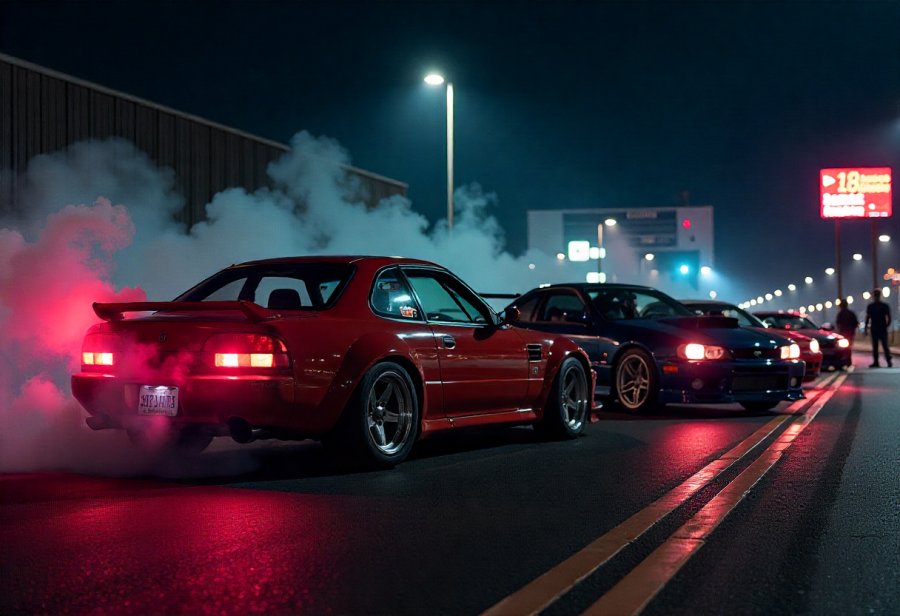
Final Reflections: The Enduring Power of Bonds in Underground Racing
Underground street racing goes beyond the thrill of the race; it’s about the relationships that flourish in the heat of adrenaline and shared experience. The bonds formed in this high-stakes environment often resemble those of family—built on trust, loyalty, and mutual support that last long after the engines have cooled. It’s during late-night tuning sessions, moments of vulnerability, and close calls that these connections deepen, transforming fleeting adrenaline rushes into lifelong relationships rooted in shared risks and passions.
Loyalty within these crews runs deep. Members trust each other with their rides, secrets, and safety, knowing that their crew functions as a second family. Rituals, symbols, and shared stories reinforce this bond daily—reminding everyone of their collective purpose and unwavering commitment. Whether it’s a secret hand sign or a custom patch, these small acts serve as powerful symbols of belonging and shared identity, making each member feel valued and part of something greater than themselves.
Respect is equally vital. Racers admire each other’s skill, dedication, and sacrifices, recognizing that their achievements rely on mutual effort. This respect fosters an environment of encouragement and support, even amid rivalries and external threats. It’s not just about winning but honoring each other’s resilience and craft. These shared values cultivate a culture where loyalty is reinforced through action and tradition, strengthening the fabric of their community.
Stories from the scene highlight how these bonds develop through shared vulnerabilities. One racer recalls late-night runs where trusting his crew’s judgment kept everyone safe, while another’s crew fiercely guards its secrets, understanding that exposure could threaten their unity. These narratives reveal that loyalty isn’t superficial; it’s a deep, living commitment forged through trust, risk, and collective effort. Such relationships become the backbone that sustains crews through adversity and external pressure.
This sense of kinship is further strengthened by rituals and symbols—special greetings, shared stories, or a common emblem—that serve as constant reminders of their collective identity. The cars, risks, and adrenaline become shared experiences that weave these bonds tighter, turning a group of racers into a true family. They find comfort and purpose in knowing they’re part of something bigger—an unbreakable brotherhood rooted in loyalty and shared passion.
In the end, underground street racing creates more than fleeting moments of speed. It forges bonds that define its participants, transforming adrenaline-fueled pursuits into lifelong connections. These relationships, built on trust, respect, and shared purpose, turn high-octane competition into a powerful community. The strength of these ties proves that sometimes, the greatest victories happen off the track—through the unbreakable bonds formed along the way.