

Learning to ride a bike is a universal milestone that captures the delicate balance between courage and fear, support and independence. It’s a journey filled with wobbling, falls, and triumphs that teach children resilience, trust, and perseverance. But what if the fear of falling becomes a barrier to growth? This preview explores how setbacks—both physical and psychological—shape a child’s confidence and how parental patience transforms fear into empowerment. Beyond the simple act of pedaling, biking becomes a metaphor for life’s challenges, emphasizing that setbacks are integral to progress. As children develop physical skills and mental resilience, they learn that bravery isn’t the absence of fear but the willingness to face it. This shared journey of overcoming obstacles fosters not only independence but also deeper family bonds, ultimately preparing children to navigate a world full of uncertainties with courage and optimism.
Milestones of Growth, Courage, and Family Bonds Through Learning to Ride
Learning to ride a bike isn’t just about mastering a new skill; it’s a milestone that captures the essence of growth, courage, and connection. For children, those first tentative pedal strokes are more than just steps toward independence—they’re a rite of passage that symbolically marks leaving behind dependence and stepping into the world with confidence. For families, it becomes a shared moment of support and celebration, weaving memories that last a lifetime.
This moment is filled with a mix of nerves and excitement. Parents and caregivers often remember their own first rides, recalling the mix of anticipation and anxiety that comes with helping a child find their balance. Watching a child wobble and struggle, yet persist, highlights the importance of patience and encouragement. It’s in these small efforts that trust and resilience are built, laying the foundation for future challenges beyond biking.
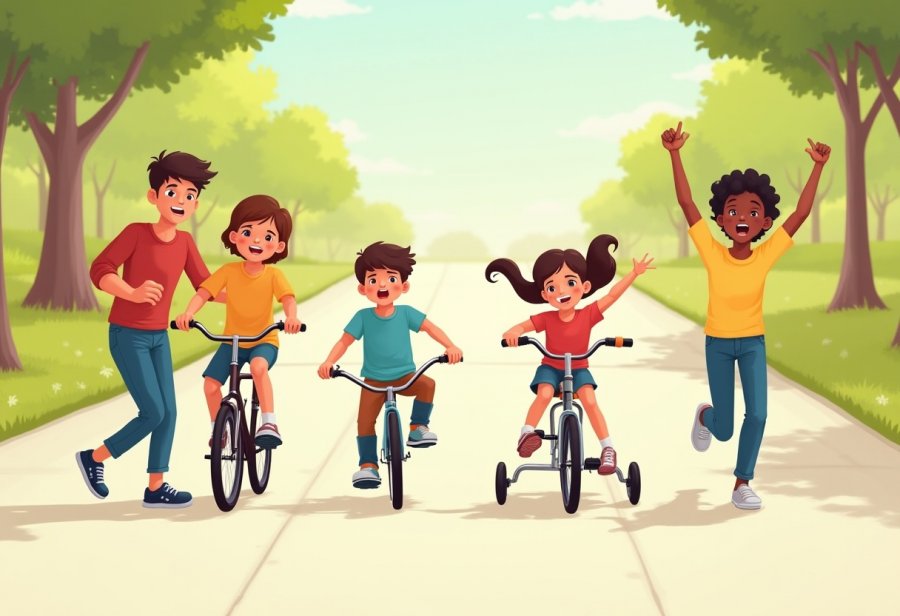
The scene in parks or quiet neighborhoods often unfolds as a dance of support—hands steadying handlebars, gentle pushes, and cheers that echo with every small victory. These family bonding moments extend beyond the physical act, nurturing a sense of safety and love. As children learn to trust themselves on two wheels, they also learn that trying, falling, and trying again are all part of the journey toward achievement.
Learning to ride is a universal experience that transcends age or background. It symbolizes a leap into independence, where children start to see the world from a new perspective—one that’s more open, more adventurous. For parents, it’s a lesson in letting go just enough to foster growth, while still providing the safety net of support. Together, they navigate the wobble and the fall, celebrating each step forward.
These early bike rides serve as a microcosm of life’s bigger lessons: perseverance, courage, and trust. Each stumble and wobble becomes a story of resilience, a reminder that growth often comes through overcoming discomfort. The act of learning to ride becomes a shared adventure—an experience that reinforces the bonds of family and the confidence to face new challenges.
As children gain confidence, the significance of this milestone deepens. It becomes not just about pedaling but about embracing new freedoms and exploring the world around them. The bike transforms from a simple machine into a symbol of independence, a tool that unlocks a sense of possibility and adventure, all supported by the love and encouragement of family.
In the end, teaching a child to ride is about more than balance and coordination; it’s about nurturing a mindset of resilience and trust. It’s a celebration of courage—both in the child and in the family that stands behind them. Those first rides are a testament to the power of support, patience, and shared joy, setting the stage for a lifetime of adventures and personal growth.
Balancing Mind and Body: The Mental and Physical Challenges of Riding
Learning to ride a bike involves more than just balancing on two wheels; it’s a true test for both the mind and body. Physically, children need to develop coordination, strength, and a sense of balance. At first, wobbling and leaning often lead to falls, which can be frustrating. Repeated practice helps their muscles and senses work together more seamlessly, gradually building the stability needed for confident riding. Patience from both kids and supporters is essential, as progress tends to be slow but steady.
On the mental side, fear plays a big role. Many children worry about falling, which can hold them back from trying their best. Overcoming this fear requires trust—not only in their physical abilities but also in the support they receive. Encouragement from parents and caregivers helps transform mistakes into learning opportunities. As children experience small successes, their confidence naturally grows, and the mental barrier begins to weaken.
The journey to riding independently is marked by key moments that shape a child’s mindset. Pedaling without support for the first time feels like a major victory—an exciting step that boosts belief in their skills. Celebrating effort and resilience during these milestones helps foster a growth mindset, where setbacks are seen as part of the learning process, not as failures. This mindset encourages children to keep trying, even when progress slows.
Physical and psychological challenges are deeply interconnected. Wobbles or falls can shake a child’s confidence, making them hesitant to continue. That’s why emotional support is just as important as physical practice. When parents stay patient and encouraging, children learn to view mistakes as normal parts of growth. This resilience becomes a foundation for facing future challenges with courage and determination.
Patience and persistence are key. Every wobble, stumble, or fall teaches something valuable about balance and control. Over time, consistent practice helps these skills become instinctive. As mastery develops, the mental shift from fear to confidence often follows, empowering kids to persevere despite setbacks. This process builds not only riding skills but also a resilient attitude that extends into other areas of life.
Mastering both the physical and mental aspects of riding a bike is about cultivating resilience. It teaches children to trust their bodies and minds, to push through discomfort, and to celebrate small victories. Though the process can be challenging, it’s deeply rewarding. The confidence and independence gained through biking become lessons that last a lifetime, shaping resilient individuals ready to face new challenges with courage.
Overcoming Obstacles: Navigating Conflicts and Fears in Learning to Bike
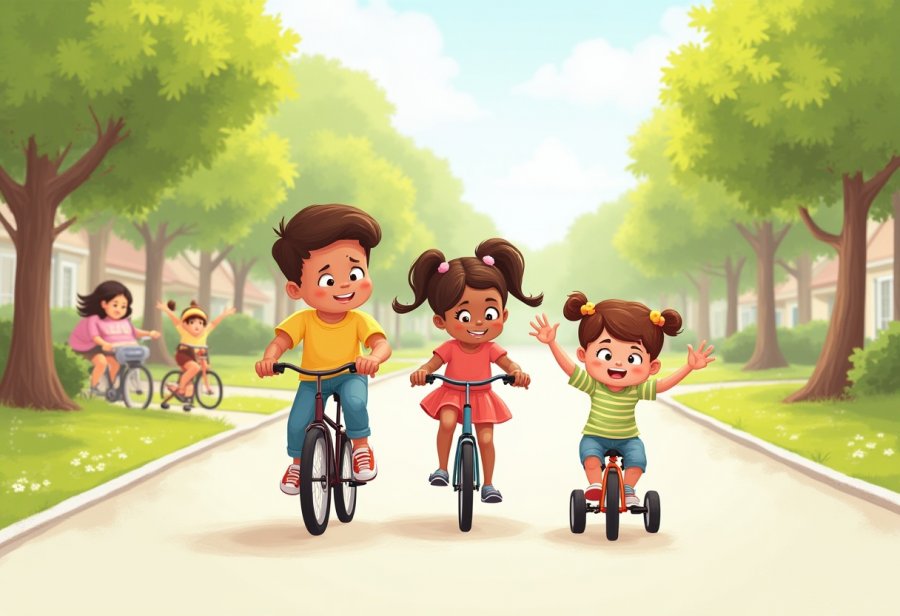
Learning to ride a bike often brings a mix of excitement and frustration that can make the process more complex than it first appears. Children are eager to master the skill, but their fears of falling or losing control can create mental barriers that slow their progress. That anxiety is natural—after all, falling is a real risk on two wheels—and for some kids, it becomes a mental block that makes them hesitant to try, even if their physical abilities are there. Parents might grapple with how much encouragement to give, balancing pushing their child forward and protecting them from inevitable tumbles.
Setbacks like wobbling or repeated falls can quickly sap motivation. When children experience disappointment or frustration, they might question whether they’ll ever get it right. These moments can breed self-doubt or even a desire to give up altogether. Supporting kids through these hurdles requires patience and empathy, recognizing that setbacks are a normal part of learning. Reassuring them that mistakes are just steps toward improvement helps shift their perspective from failure to progress.
External influences also shape how children experience these conflicts. In some communities, independence is highly encouraged, urging kids to take risks and learn from their mistakes. In others, safety concerns lead to more cautious approaches, which can reinforce fears and hesitation. Navigating these conflicting messages adds emotional complexity, making children unsure whether to push harder or hold back. These external cues influence how they respond to challenges, often affecting their confidence and willingness to persevere.
Fears of falling can lead to avoidance, creating a cycle where children shy away from riding altogether. This avoidance robs them of the confidence and joy that come from overcoming obstacles. Breaking this cycle involves creating a supportive environment where children can gradually face their fears without feeling overwhelmed. Celebrating small successes—like balancing longer or pedaling a few meters—reinforces that falls are part of learning, not signs of failure. Over time, this gentle exposure helps children trust their abilities and diminishes anxiety.
Despite these hurdles, conflicts and setbacks are vital for growth. They teach resilience and help kids develop a realistic view of their capabilities. When parents and caregivers approach these challenges with patience and compassion, they foster a mindset that setbacks are temporary and manageable. This attitude encourages children to persist, transforming moments of doubt into opportunities for learning. Overcoming the fear of falling and handling setbacks ultimately strengthens their confidence, turning initial conflicts into stepping stones toward independence and the pure joy of riding.
In the end, navigating these obstacles is about more than just learning to bike. It’s about teaching children that setbacks are normal, manageable parts of growth. With support and patience, they learn that bravery isn’t the absence of fear but the willingness to face it and move forward. These experiences build resilience, confidence, and a sense of perseverance that will serve them well in many areas of life beyond biking.
From Play to Daily Routine: How Riding Shapes Personal Growth and Independence
Once children learn to ride a bike, cycling quickly becomes a natural part of their daily lives. Instead of relying solely on parents for transportation, kids start to see biking as a way to explore their surroundings independently. Whether it’s riding to school, visiting friends, or heading to the park, each trip offers a new opportunity to build confidence and foster a sense of autonomy. These small routines help children feel more in control of their day and reinforce their emerging independence.
Cycling also encourages a healthier lifestyle. As children become more comfortable on their bikes, they tend to move more throughout the day. Regular rides promote physical fitness, improve coordination, and strengthen muscles—all while feeling like fun rather than chores. This positive association with movement can motivate kids to choose biking over sedentary activities, helping to establish lifelong habits of activity and wellness. Longer rides or discovering new routes turn into adventures that keep them engaged and eager to explore more.
Beyond personal health, biking often becomes a shared activity that strengthens family bonds. Weekend outings or quick errands transform into quality time, where cooperation and patience are key. Kids learn to navigate traffic, follow safety rules, and plan routes, all under the watchful eye of supportive adults. These shared moments foster teamwork, patience, and a sense of community, making cycling an activity that connects families beyond just getting from point A to B.
Schools and local organizations also support integrating cycling into everyday life. Many promote bike safety lessons and encourage students to bike to school when possible. Community groups organize group rides, safety workshops, and maintenance clinics, making cycling more accessible and enjoyable. Seeing peers ride confidently can inspire hesitant kids to hop on their bikes and join in, further embedding cycling into their routines and social circles.
As children grow more skilled, the benefits of biking extend beyond physical health. Learning to balance and control a bike fosters patience, persistence, and problem-solving. It teaches responsibility—like managing time and planning routes—and nurtures independence. Each ride, whether a quick trip to the corner store or a longer family outing, becomes a chance for exploration, learning, and resilience. Cycling thus shapes confident, active individuals ready to face new challenges with enthusiasm and self-reliance.
Balancing Fear and Confidence: Reflecting on Resilience and Courage in Learning to Ride
Learning to ride a bike is more than just a physical skill; it’s a powerful lesson in resilience, courage, and trust. Fears of falling are natural, yet they shouldn’t overshadow the thrill of independence that comes with mastering the ride. Embracing these fears as part of the process helps children develop confidence and mental toughness, laying the groundwork for facing future challenges with perseverance.
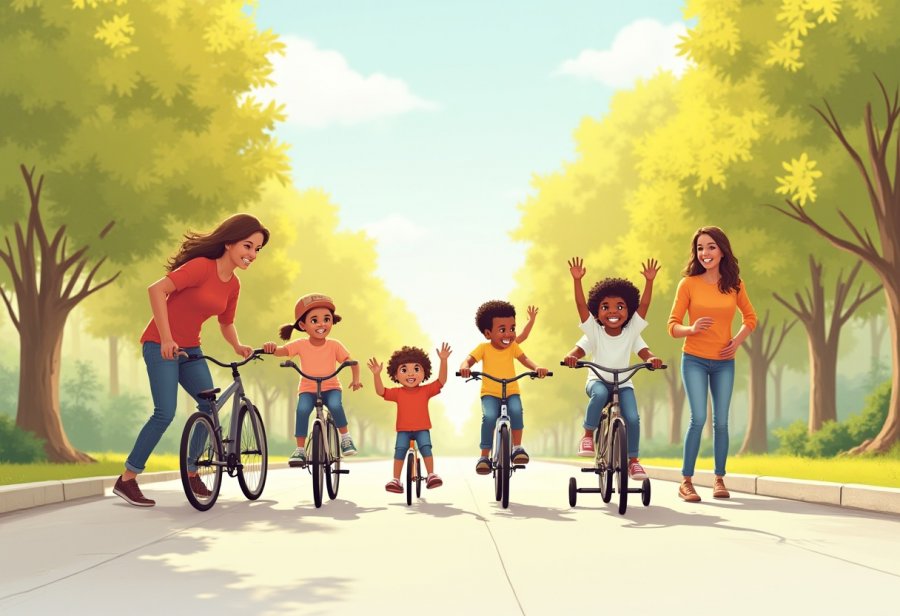
When parents stand by their children’s side, offering patience and encouragement, they foster an environment where setbacks become stepping stones. Small victories—whether it’s balancing a few seconds longer or pedaling a bit farther—are moments of growth that reinforce the idea that progress often comes with falls and wobbles. These experiences teach kids that failure isn’t final but a necessary part of learning, building a mindset rooted in persistence rather than fear.
Balancing fear with support isn’t just about riding a bike; it’s about shaping resilient individuals who understand that setbacks are temporary and manageable. This attitude nurtures a sense of independence, empowering children to trust their abilities and push through discomfort. Over time, they learn that courage isn’t the absence of fear but the willingness to keep trying despite it, a lesson that extends well beyond childhood.
The journey of overcoming obstacles on two wheels mirrors many life challenges—each stumble and fall becomes a lesson in patience, problem-solving, and self-trust. As children navigate their fears, they develop a realistic view of risks and rewards, learning to assess dangers calmly rather than reactively. This skill in managing uncertainty prepares them for a world full of opportunities and obstacles alike, fostering confidence in their capacity to adapt and grow.
Ultimately, the act of learning to ride a bike encapsulates a universal truth: growth often requires courage and the willingness to face fears head-on. When supported with empathy and patience, children discover that setbacks are not signs of failure but integral parts of success. These early lessons in resilience and trust become the foundation for a lifetime of exploring new horizons with confidence and enthusiasm.
In the end, what children gain from this experience goes far beyond the physical act of riding. They learn that overcoming fears, embracing discomfort, and persisting through setbacks are essential ingredients for personal growth. With each wobble and fall, they build a sense of achievement that fuels their confidence, preparing them not just for the next bike ride, but for many of life’s adventures ahead. Supporting them in balancing fear with growth creates resilient individuals ready to face whatever challenges come their way.