What if the greatest strength a leader can possess isn’t measured by conquest or external achievements, but by inner discipline and moral resilience? Marcus Aurelius exemplifies this paradox, ruling an empire with wisdom and stoic calm amidst wars, plagues, and political chaos. His life invites us to reconsider the true source of power—suggesting that cultivating virtues like patience, humility, and self-control may be the most enduring forms of authority. Through his writings in *Meditations*, he demonstrates that internal mastery shapes external actions, turning adversity into opportunities for growth. In a world obsessed with outward success, his example challenges us to focus inward, developing resilience and virtue through daily reflection and mindful practice. Can mastering oneself become the ultimate legacy? Marcus’s life proves that genuine strength resides within, quietly guiding us through chaos with calm confidence—an invitation to build a resilient character that withstands the test of time.
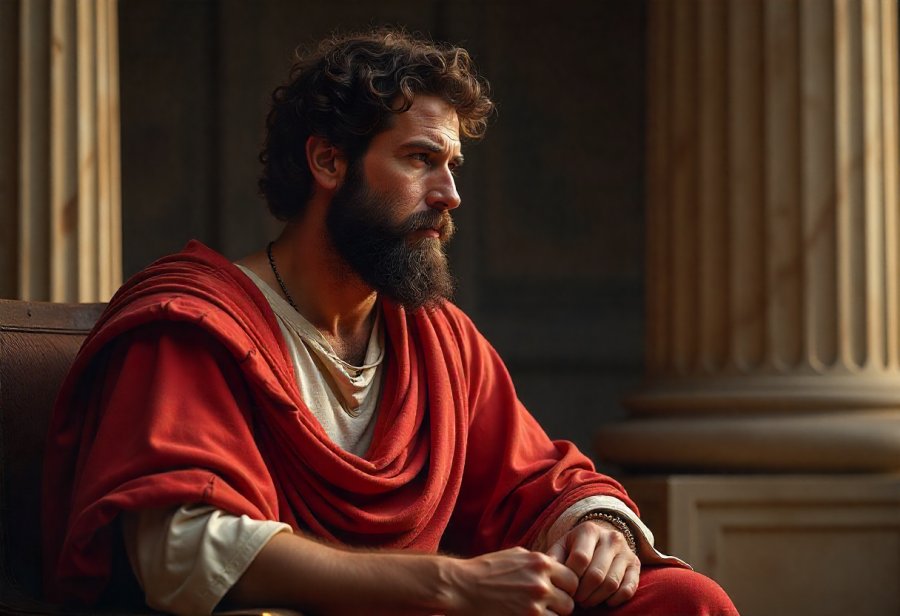
Inner Discipline Over External Conquest: The True Source of Strength
When we picture strength, it’s often about muscles, dominance, or external achievements. But what if the truest power isn’t measured by what we conquer outside, but by what we nurture within ourselves? This question feels especially relevant today, as many chase success, influence, and material gains, often neglecting the importance of inner stability. Could it be that real strength resides in mastering our thoughts, emotions, and moral character instead?
Marcus Aurelius offers a compelling example of this idea. As a Roman emperor, he commanded armies and managed an empire, yet his true legacy is rooted in his dedication to inner discipline. His writings in *Meditations* reveal a man who believed that leadership and strength come from self-control and mental resilience. Rather than relying solely on external power, he focused on cultivating virtues like patience, humility, and wisdom—traits that remained steady even amid chaos.
This focus on inner strength isn’t a modern concept; it’s a timeless principle of Stoic philosophy. It teaches that what truly matters is how we respond to life’s challenges. External circumstances are often beyond our control, but our reactions and moral choices are ours to shape. Marcus understood that cultivating inner discipline creates a kind of strength that endures through adversity and time—an invisible yet unshakable foundation.
In a world obsessed with appearances and quick wins, shifting attention inward can seem counterintuitive. But developing inner discipline is accessible and impactful. It starts with small daily practices—reflection, mindful breathing, focusing on what’s within our control—and gradually builds resilience. By doing so, we create a reservoir of calm and clarity that supports us through setbacks, uncertainties, and chaos.
Marcus Aurelius shows us that true leadership begins within. His life demonstrates that inner mastery isn’t a sign of weakness but a form of genuine strength—one that quietly influences others and remains steadfast beyond external successes. As we explore his story, it becomes clear that cultivating inner discipline and resilience is perhaps the most lasting kind of power we can develop.
Foundations of Leadership: Marcus Aurelius’s Life and the Roman Empire
Marcus Aurelius’s life unfolded during a crucial period of the Roman Empire, a time marked both by expansion and internal turmoil. Born in 121 AD into a prominent family, he was groomed early for leadership amidst a world of political complexity and military responsibilities. His upbringing emphasized discipline, education, and moral virtue—values that would shape his approach to rulership. When he ascended to the throne in 161 AD, the empire faced external threats along its borders, including invasions and rebellions, as well as internal challenges like political intrigue and outbreaks of plague.
Despite these pressures, Marcus turned to philosophy as a steadying force. His philosophical foundation was deeply rooted in Stoicism, a school of thought that prioritized virtue, resilience, and self-control. Influenced by teachers such as Junius Rusticus and inspired by the teachings of Epictetus, Marcus saw internal mastery as essential to effective leadership. He believed that true authority came not from external power alone but from moral integrity and the strength of character cultivated within.
Growing up in a privileged but demanding environment, Marcus learned early that external responsibilities required internal discipline. His education was rigorous, designed to prepare him for the burdens of ruling an empire. This process instilled in him a sense of humility and self-awareness, qualities reinforced by Stoic teachings that emphasized accepting what we cannot change and focusing on our moral choices. These lessons became guiding principles throughout his life, helping him navigate the complexities of governance and personal conduct.
Throughout his reign, Marcus exemplified a unique blend of military prowess and philosophical insight. He commanded armies with strategic skill, often facing invasions and political crises, yet maintained a calm, composed demeanor rooted in Stoic calmness. His reflections, captured in *Meditations*, reveal a leader committed to continuous self-improvement. These writings show that he viewed adversity as an opportunity to exercise virtue and strengthen inner resilience, not as setbacks but as steps toward moral growth.
Marcus’s personal life was intimately tied to his philosophical pursuits. Daily routines of reflection and journaling kept him aligned with his values, especially during times of crisis like the Antonine Plague. His responses—marked by resilience and compassion—highlight how internal discipline shaped his external actions. His life demonstrates that internal mastery, cultivated through education and reflection, is the true foundation of effective leadership and lasting strength.
In sum, Marcus Aurelius’s background—his upbringing, the tumult of his times, and his philosophical influences—created a leader who prioritized inner virtues over external accolades. His story exemplifies how discipline, reflection, and moral clarity can forge a resilient character capable of guiding others through chaos. It reminds us that the roots of true strength lie not in conquest or possessions but in the steady cultivation of the mind and spirit.
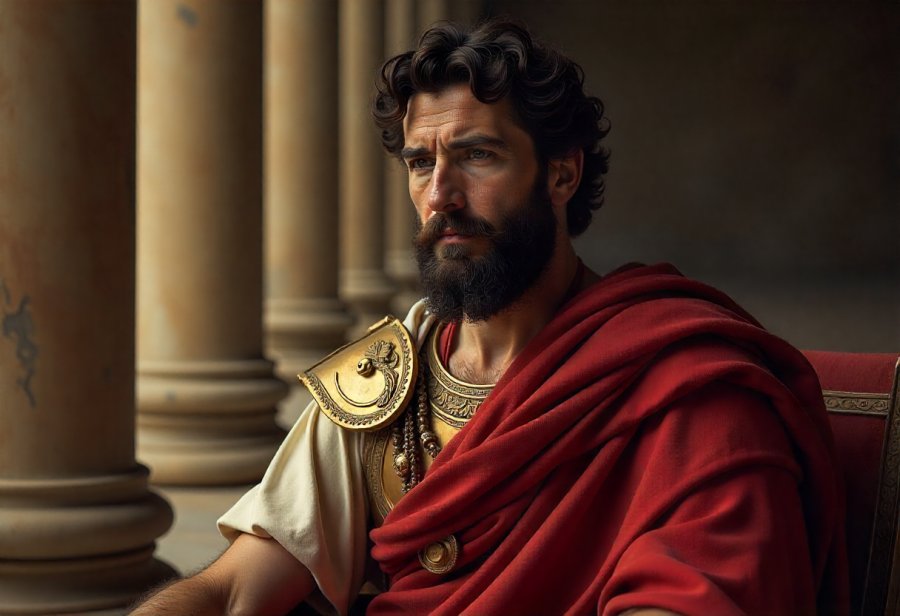
Stoic Wisdom: The Heart of Inner Strength and True Power
At the core of Marcus Aurelius’s leadership lies a profound commitment to Stoic principles, which teach that true strength originates from within. These ideas revolve around self-control, resilience, and virtue—qualities that aren’t dependent on external validation or material success. Marcus believed that real power came from mastering the mind and emotions, enabling a person to stay steady regardless of chaos or hardship. This internal mastery isn’t about suppressing feelings but understanding and consciously directing them, fostering a resilient spirit that remains unshaken in turbulent times.
Stoicism emphasizes that external events are often beyond our control, but our reactions and choices are entirely within our power. Marcus internalized this lesson deeply, viewing each challenge as an opportunity to demonstrate virtue. His writings reveal a man who saw wisdom, patience, and moral clarity as the keys to an unbreakable sense of stability. Cultivating these virtues creates a form of inner resilience that acts as a shield against life’s unpredictability, helping us respond thoughtfully instead of impulsively.
For Marcus, inner discipline was reinforced by daily routines of reflection and journaling. These moments of quiet contemplation kept him aligned with his values, especially amid crises like invasions or plagues. His ability to respond with calmness and compassion—rather than panic or anger—highlighted how internal mastery shapes external actions. His Stoic focus on acceptance and virtue turned hardships into opportunities for growth, demonstrating that genuine strength isn’t about dominance but about moral steadfastness.
Marcus believed that growth through adversity was central to true strength. Challenges were viewed not as setbacks but as chances to exercise patience, humility, and resilience. This mindset transformed obstacles into stepping stones for moral development. His philosophy underscores that authentic power isn’t fleeting or superficial but built gradually through consistent effort, self-awareness, and a deliberate focus on virtue. In this way, inner discipline becomes a dynamic, lifelong pursuit that deepens with each trial.
Ultimately, Marcus Aurelius’s life exemplifies that genuine strength lies in the mastery of oneself. Inner discipline, guided by Stoic virtues, forms the foundation for lasting resilience and moral clarity. His example reminds us that external success is transient, but cultivating inner strength provides a steady, unwavering anchor. By focusing inward and developing our character, we can face any storm with calm confidence, embodying a form of power that endures beyond the fleeting nature of external achievements.
Practicing Self-Mastery Today: Practical Steps to Cultivate Inner Resilience
Cultivating inner discipline today starts with simple, consistent habits that easily fit into daily routines. Setting aside a few minutes each morning for reflection can set a mindful tone for the day. During this time, remind yourself of your core values—whether patience, humility, or self-control—and visualize how you want to embody them. This small act of intention helps anchor your mind amid the busyness and distractions of modern life. Throughout the day, pause when emotions surge or stress mounts. Taking a moment to observe your thoughts and feelings before reacting builds emotional resilience and allows you to choose responses aligned with your values.
Focusing on what you can control is another powerful step. Instead of obsessing over outcomes beyond your influence, direct your energy toward your actions and mindset. Whether it’s handling setbacks calmly or listening with patience during difficult conversations, these internal responses shape your character over time. Journaling your experiences, especially when you exercise discipline successfully, creates a record of growth. It makes your internal progress tangible and highlights areas for improvement, reinforcing your commitment to self-mastery.
Imagine facing a challenging situation at work where frustration or temptation to cut corners arises. Instead of giving in, pause and recall your guiding principles—integrity, trustworthiness, or patience. Exercising inner discipline in these moments might mean choosing honesty over convenience or responding with calm instead of anger. Repeating these small acts consistently builds resilience and makes self-control second nature. Marcus Aurelius’s example shows us that everyday moments, not just grand gestures, are opportunities to strengthen inner resolve.
It’s crucial to understand that discipline isn’t about harsh self-punishment or perfection. Genuine self-mastery involves accepting your imperfections while striving to improve. setbacks are part of the process—they offer chances to practice patience and humility. Creating space for reflection—through quiet moments, mindful breathing, or digital detoxes—helps reconnect with your inner compass. Over time, these practices cultivate mental fortitude, making discipline a natural extension of who you are, much like Marcus Aurelius’s lifelong pursuit of inner resilience.
Supporting tools like reading Stoic texts, engaging in community discussions, or practicing meditation deepen your journey. Reflecting on Marcus Aurelius’s Meditations or contemplating what’s within your control reinforces timeless principles. Sharing your experiences with others fosters accountability and inspiration, helping you stay committed. By weaving these habits into daily life, you gradually transform self-mastery from an occasional effort into a steady, enduring part of your character—one rooted in wisdom, patience, and discipline.
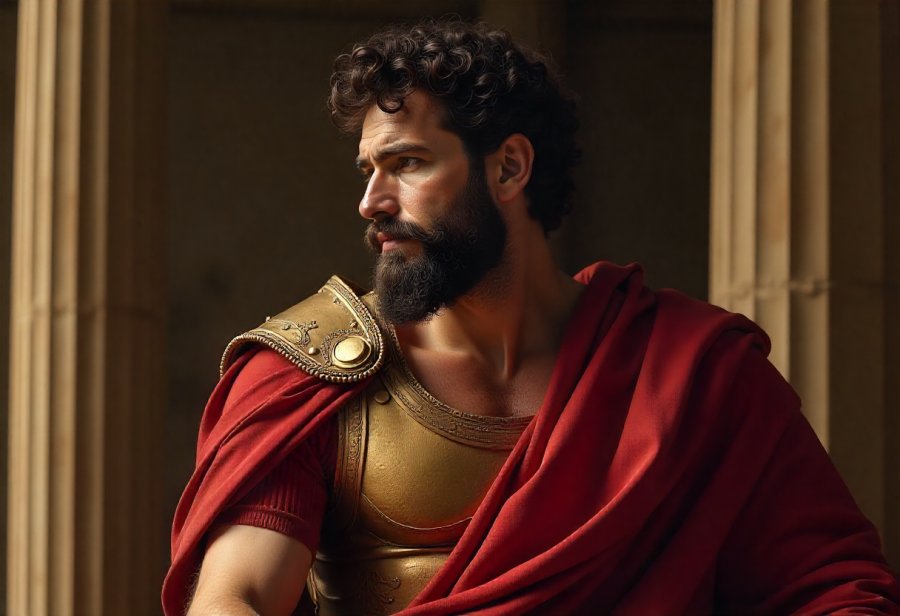
Embracing Inner Strength: A Lifelong Journey Toward Lasting Power and Virtue
Inner discipline shapes not only our personal growth but also how we influence those around us. Marcus Aurelius’s life reminds us that true strength isn’t found in external achievements or possessions but in the resilience and virtue we cultivate within. Developing this inner strength is an ongoing journey—one that demands daily effort, reflection, and a willingness to confront our imperfections. The rewards are lasting: a calm, steady mind, a moral compass to guide us through chaos, and the capacity to lead with integrity.
The lessons from Marcus’s example show that inner resilience acts as a solid foundation, supporting us when external circumstances are unpredictable. No matter how the world shifts or crises emerge, it’s our internal fortitude that keeps us grounded. This kind of strength isn’t fleeting or dependent on luck; it’s built through consistent practice, self-awareness, and a deliberate focus on virtue. As we nurture these qualities, we become better equipped to handle setbacks, make wise decisions, and inspire trust in others.
Pursuing inner discipline isn’t about perfection or rigid self-control. It’s about making steady progress—recognizing where we fall short, learning from mistakes, and improving each day. Small habits like daily reflection, mindful breathing, and focusing on what we can influence create a ripple effect that deepens our resilience over time. Each moment we choose patience over impulsiveness or humility over pride adds to a more authentic, resilient self. Discipline becomes a natural extension of who we are, not just an effort we muster when needed.
This path also invites us to revisit our motivations and core values regularly. Are we driven by external validation or a genuine desire for virtue? Do we react out of habit or with deliberate moral clarity? Asking these questions helps keep us aligned with our higher purpose, reinforcing that true power comes from within. When we stay true to this inner pursuit, we find that life’s challenges become opportunities for growth rather than sources of despair.
Looking ahead, embracing inner discipline as a central part of life transforms challenges into catalysts for development. Life’s setbacks—whether personal or societal—become chances to strengthen resolve and deepen character. Building resilience and virtue through consistent effort ensures we remain centered, regardless of external upheavals. This journey isn’t a destination but a lifelong practice, with each day offering a new chance to refine our character and deepen our understanding. Following Marcus Aurelius’s example, we learn that the most enduring power is rooted in the calm, steady strength of the mind and spirit, built through discipline and virtue.