In an era where seamless communication is vital for business success, the shift toward customizable, IP-based telephony solutions like Grandstream’s devices promises to revolutionize network efficiency and scalability. But how can organizations leverage these cutting-edge tools to stay agile amid rapid digital transformation? This overview explores how innovative features—such as centralized management, cloud provisioning, and standards like SIP—empower businesses to deploy, monitor, and update thousands of devices effortlessly. It contrasts traditional landline limitations with the dynamic capabilities of modern VoIP systems, highlighting the strategic advantages of remote management and flexible deployment options. Yet, with complex protocols and security considerations, navigating this landscape can seem daunting. The key lies in understanding how integrated device management and quality of service protocols ensure reliable, high-quality communication that adapts to evolving demands. Ultimately, embracing these advanced telephony solutions isn’t just about upgrading hardware—it’s about building a resilient, future-proof infrastructure that transforms how businesses connect and compete.
Empower Your Business with Customizable Telephony Solutions
In today’s fast-moving business landscape, staying connected isn’t just a convenience—it’s a core part of daily operations. Outdated or rigid phone systems can slow down workflows, frustrate employees, and even hinder customer service. That’s why flexible, customizable telephony solutions are more important than ever. They empower organizations to adapt quickly to new demands, whether that means supporting remote work, expanding teams, or upgrading infrastructure without disruption.
Traditional landline systems relied on physical circuits, which made upgrades costly and time-consuming. Today, IP-based telephony transforms that model, offering a scalable, feature-rich environment that runs over your existing internet connection. This shift allows businesses to add lines, implement new features, and manage devices remotely—all with less hassle and downtime. It’s a real game-changer for companies looking to stay agile in a competitive market.
At the core of these flexible systems are standardized protocols like SIP, which facilitate seamless communication across different devices and platforms. SIP manages call setup, ongoing call management, and termination, ensuring interoperability between brands and models. Understanding these protocols helps organizations choose compatible hardware and optimize their networks for clarity and reliability. When combined with robust device management tools, SIP enables centralized control—making it easier to configure, monitor, and maintain large-scale deployments from a single interface.
Device management plays a vital role in maintaining a healthy, efficient telephony network. As your organization grows, managing each device manually becomes impractical. Centralized management platforms allow IT teams to configure, update, and troubleshoot hundreds or thousands of phones remotely. This not only saves time but also reduces errors and minimizes downtime. With features like remote provisioning, deploying new devices or updating existing ones can be done in minutes, ensuring your team stays connected without interruption.
The move toward cloud-managed solutions further enhances flexibility. Cloud platforms enable remote configuration and oversight, making it simple to support distributed teams or multiple locations. You no longer need to be physically present at each endpoint to make adjustments or roll out updates. This ease of management accelerates deployment, simplifies ongoing maintenance, and ensures all devices stay current with the latest features and security patches. As a result, your communication network becomes more resilient and adaptable to changing business needs.
Choosing the right solution depends on your organization’s size, growth plans, and security requirements. Cloud-based systems excel in scalability and remote management, ideal for dynamic, expanding teams. On-premises setups offer greater control and customization for high-demand environments or organizations with strict security standards. Whichever option you select, a solid understanding of core protocols like SIP and best practices in device management ensures your network remains reliable, scalable, and easy to maintain.
Investing in customizable telephony solutions isn’t just about hardware—it’s about creating an integrated environment that supports your business’s growth and agility. These systems enable quick adaptation to new demands, support remote and hybrid work models, and improve overall network efficiency. As technology advances, having a flexible, scalable communication infrastructure positions your organization for future success, allowing you to stay connected, responsive, and competitive no matter what challenges arise.
Ultimately, the right telephony system facilitates smoother collaboration, enhances user experience, and reduces operational friction. By leveraging standardized protocols and centralized device management, businesses can deploy new solutions faster, troubleshoot issues remotely, and scale effortlessly. This not only streamlines daily workflows but also builds a resilient foundation for ongoing innovation. As digital transformation continues to accelerate, embracing customizable telephony solutions becomes a strategic move that drives efficiency, improves business continuity, and prepares your organization for the future.
Building a Robust Foundation in Telephony Technology
Telephony technology underpins modern business communication, enabling voice and video data to traverse digital networks efficiently. At its core are standardized protocols that ensure different devices and platforms work together seamlessly. One of the most pivotal is SIP, or Session Initiation Protocol, which orchestrates call setup, management, and termination over IP networks. Without such standards, interoperability between brands and models would be chaotic, making reliable, scalable systems nearly impossible to build. Understanding how SIP and similar protocols function helps organizations select compatible hardware and design networks optimized for clarity, security, and efficiency.
Device management is essential for maintaining a healthy telephony ecosystem, especially as organizations expand their IP phone fleets. Managing each device manually becomes impractical beyond a certain scale. Centralized management platforms, however, allow administrators to configure, monitor, and update hundreds or thousands of devices remotely from a single interface. This capability streamlines deployment, reduces errors, and minimizes downtime, enabling rapid provisioning of new phones or swift firmware updates across the entire network. It transforms what would be a tedious task into a straightforward, scalable process.
The shift from traditional landlines to IP-based systems stems from the need for greater flexibility and features. Landline circuits relied on analog signals, which limited their adaptability and made upgrades costly. Digital IP telephony transmits voice as data packets over the internet, unlocking a host of advanced capabilities like call forwarding, video conferencing, and deep integration with other digital workflows. This transition not only boosts functionality but also offers significant cost savings by leveraging existing internet infrastructure and simplifying scalability.
Choosing between cloud-based and on-premises telephony solutions is a strategic decision that impacts control, security, and flexibility. Cloud systems are hosted remotely, providing quick deployment, effortless scalability, and remote management—ideal for distributed teams or fast-growing organizations. On-premises setups involve hardware installed locally, offering greater control over security and customization, which suits high-demand environments with strict compliance needs. Both models rely on core protocols like SIP and network practices such as Quality of Service (QoS) to deliver reliable call quality, no matter the deployment.
Protocols like SIP and QoS form the backbone of dependable telephony networks. SIP manages how calls are initiated, maintained, and ended, ensuring interoperability across devices and brands. QoS prioritizes voice traffic over other data, reducing latency and preventing disruptions during busy periods. These standards are critical not only for initial deployment but also for ongoing maintenance, allowing networks to scale without sacrificing performance. They help ensure that calls remain clear, secure, and consistent, even as network demands evolve.
Building a robust telephony system today requires more than just hardware—it demands a thorough understanding of these foundational protocols, effective device management, and adherence to industry best practices. As technology advances, maintaining this knowledge ensures that networks stay reliable and adaptable. Whether deploying new devices or upgrading infrastructure, leveraging SIP, QoS, and centralized management creates a resilient framework. This foundation supports seamless, high-quality communication that can grow with your business and meet future demands confidently.

Revolutionizing Business Communication with Innovative Telephony Devices
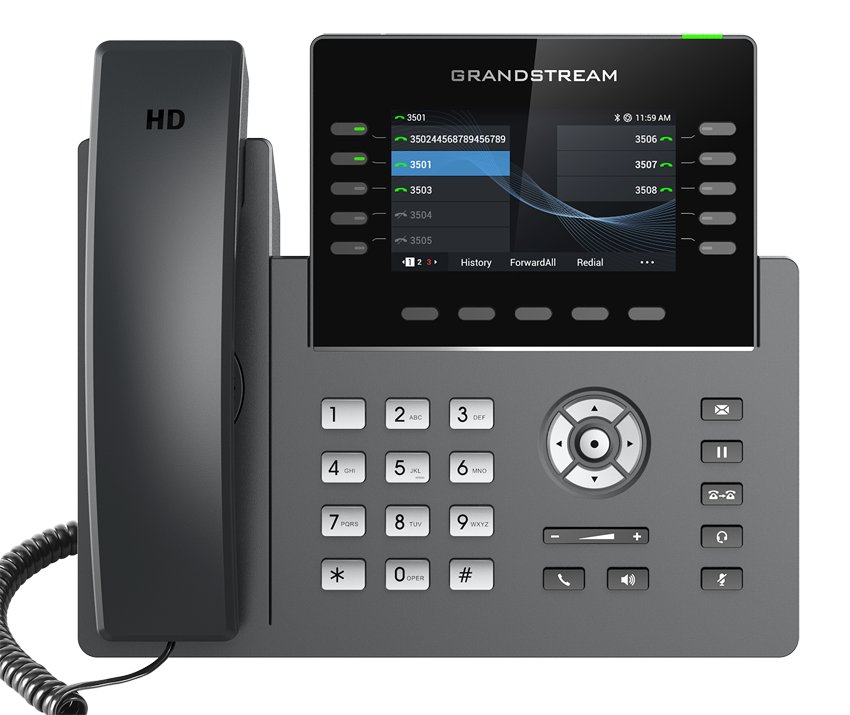
Innovative telephony devices are transforming how businesses communicate, making networks more efficient and user experiences more seamless. Modern IP phones, such as Grandstream’s GRP series, are designed with features that streamline deployment and daily operations. These devices support remote provisioning and automatic updates, allowing IT teams to configure and monitor hundreds or even thousands of phones from a single platform. This centralized management reduces errors, cuts down on setup time, and ensures that devices stay current with the latest features and security patches, all without disrupting daily workflows.
The ability to deploy new devices quickly has become a game-changer for organizations needing rapid expansion or frequent upgrades. With cloud management platforms, businesses can roll out large fleets of phones across multiple locations in minutes. This not only minimizes downtime but also supports flexible work environments, whether employees are in the office, remote, or on the go. The rapid scalability and ease of management make it possible to adapt swiftly to changing business needs without the logistical headaches of manual device setup.
Grandstream’s device management solutions, like GDMS, exemplify how centralized control enhances network efficiency. IT teams can configure, troubleshoot, and update devices remotely, ensuring consistency across all endpoints. Features such as plug-and-play setup and remote provisioning simplify onboarding, enabling new devices to be operational almost instantly. This approach reduces administrative overhead, accelerates deployment cycles, and keeps the entire communication infrastructure aligned with organizational standards and security protocols.
Personalization plays a key role in optimizing network performance and user satisfaction. Modern IP phones support tailored call routing, permissions, and feature access, aligning communication tools with specific department needs or individual roles. This customization speeds up workflows and empowers employees with quick access to the tools they rely on most. Additionally, these devices support advanced network configurations like Quality of Service (QoS), which prioritize voice traffic over other data streams. Such prioritization ensures clear, uninterrupted calls even during peak network usage, significantly enhancing overall call quality.
Investing in these innovative devices and management platforms positions organizations for future growth and technological evolution. With scalable deployment options and remote control capabilities, businesses can support increased device density, remote workforces, and new communication features without major overhauls. This proactive approach not only prepares the network for immediate demands but also ensures it remains adaptable as new standards and innovations emerge, safeguarding long-term investments.
Furthermore, these devices seamlessly integrate with broader digital workflows, creating a unified communication environment. Features like CRM integration, call analytics, and collaboration tools extend beyond voice calls, streamlining customer interactions and internal processes. This interconnected setup boosts operational efficiency, provides valuable data insights, and enhances overall productivity. As organizations move toward unified communications, these advanced telephony solutions serve as the backbone for a more connected, agile enterprise.
By harnessing the power of innovative telephony devices, organizations can elevate their network’s performance and user experience to new heights. The combination of scalable deployment, remote management, and personalized features creates a resilient, future-proof communication infrastructure. This empowers companies to respond swiftly to evolving business requirements, support remote and hybrid work models, and stay competitive in a fast-changing digital landscape. Investing in these solutions today sets the foundation for a smarter, more efficient way to connect, collaborate, and grow.