


In a rapidly evolving digital landscape, customized telephony solutions are transforming how organizations communicate—streamlining workflows, enhancing customer experiences, and boosting internal collaboration. Grandstream’s innovative devices, from scalable IP phones to cloud management systems, make tailored setups more accessible than ever, but are businesses truly leveraging their full potential? As technology advances toward AI, IoT, and 5G, the future promises smarter, more connected communication ecosystems that can anticipate needs and adapt in real time. Yet, many organizations still grapple with integrating these innovations seamlessly. Could embracing these cutting-edge trends elevate your company’s efficiency and competitive edge? This exploration reveals how personalized telephony can be a strategic asset, driving growth and agility amid these technological breakthroughs. The question remains: are you prepared to harness the next wave of communication innovation to redefine success?
Transform Your Business Communication with Customized Telephony Solutions
In today’s fast-moving business world, clear and reliable communication isn’t just a bonus—it’s essential. Companies need systems that adapt to their specific workflows and goals, rather than forcing everyone into a one-size-fits-all approach. That’s where customized telephony solutions come in. These systems are designed to fit each organization’s unique needs, integrating the right hardware and software to make every call more effective and meaningful. From selecting the best IP phones to configuring features tailored to different departments, customization ensures that communication flows smoothly and efficiently.
Unlike traditional phone setups, which often feel rigid and outdated, modern solutions are all about flexibility. They allow businesses to build a communication network that aligns perfectly with how they operate. Cloud management tools simplify setup and ongoing maintenance, enabling remote control and quick updates without disrupting daily operations. This means organizations can easily add new users, adjust call routing, or implement new features as their needs evolve—without hefty costs or downtime. As a result, teams spend less time troubleshooting and more time focusing on their core work.
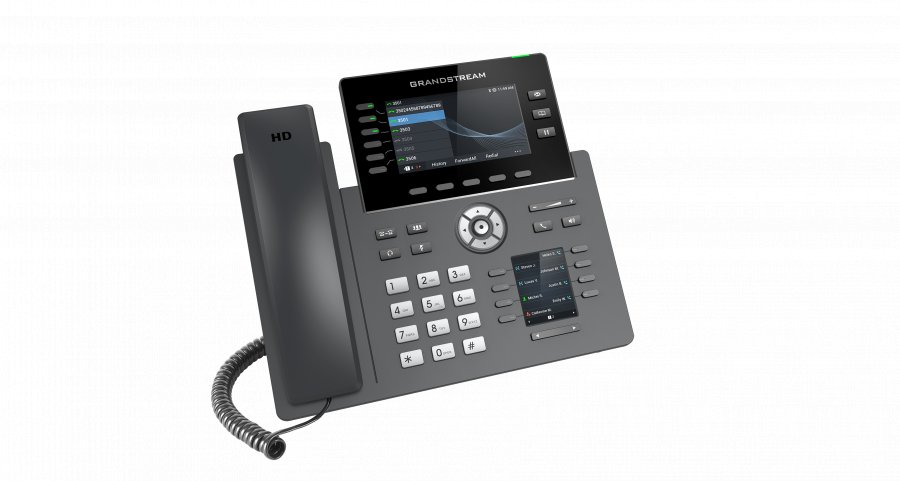
Devices like Grandstream’s IP phones are key players in this landscape. They support high-definition audio, intuitive interfaces, and seamless integration with digital tools like CRM platforms. These phones are scalable, making them suitable for small teams or large enterprises alike. When combined with cloud management, they create a reliable, professional communication environment that grows alongside the business. Such tailored setups not only improve internal collaboration but also elevate customer interactions, giving companies a competitive edge.
Customization extends beyond hardware, encompassing features like call routing, voicemail options, and contact management. These tools help streamline workflows, reduce errors, and speed up response times. For example, a well-configured call routing system can connect customers directly to the right department, enhancing satisfaction and loyalty. When communication systems are built around specific organizational processes, everyone benefits—from employees working more efficiently to customers receiving faster, more accurate service.
Ultimately, adopting customized telephony solutions transforms how companies connect internally and externally. It’s about creating a communication environment that supports growth, boosts productivity, and reinforces a professional image. By choosing the right devices, features, and management tools, organizations can build a flexible, scalable network that adapts to their needs today—and into the future.
Tracing the Evolution of Telephony from Manual Switchboards to Digital Innovations
Telephony has undergone a remarkable transformation since its inception, evolving from simple manual switchboards to sophisticated digital and internet-based systems. In the late 1800s, calls were manually connected by operators plugging in cables on switchboards, a labor-intensive process that limited capacity and slowed communication. As technology advanced, automated switching systems replaced these manual methods, allowing for faster, more reliable connections and paving the way for more complex networks. This shift laid a foundation for modern telephony by significantly improving efficiency and scalability.
The mid-20th century marked a major leap with the rise of digital telephony. These systems introduced higher clarity and capacity, enabling organizations to manage internal communication more effectively. They relied heavily on physical infrastructure, such as dedicated lines and hardware, which made scaling and updates challenging. Despite these limitations, digital systems helped organizations streamline their internal workflows and set the stage for the next wave of innovations that would further redefine business communication.
The most transformative development came with the emergence of Voice over Internet Protocol (VoIP) in the late 1990s and early 2000s. VoIP shifted communication onto the internet, drastically reducing costs and increasing flexibility. It allowed voice calls to be transmitted as data packets, enabling features like video conferencing and instant messaging. This transition turned traditional telephony into a digital, integrated communication tool that could seamlessly connect with other digital platforms and workflows, fundamentally changing how businesses operate and communicate.
Device manufacturers responded to these advancements by designing IP phones tailored for various organizational needs. Companies like Grandstream introduced devices supporting high-definition audio, multiple lines, and intuitive interfaces, making them suitable for small teams and large enterprises alike. Cloud management platforms emerged alongside, offering centralized control over deployments. This made it easier for organizations to scale, update, and manage their systems remotely, making personalized, scalable solutions accessible even to smaller businesses.
Today, modern telephony is characterized by cloud-managed solutions and scalable hardware that support customization, integration, and remote management. These systems connect with CRM platforms, calendars, and collaboration tools, creating a unified digital ecosystem. This ongoing evolution reflects a broader trend toward smarter, interconnected communication networks. Each technological breakthrough has aimed to improve efficiency, reduce costs, and enhance flexibility, ensuring that telephony continues to meet the growing demands of today’s dynamic business environment.

Embracing the Future: How Modern Telephony Shapes Business Communication Today
Modern business communication has shifted decisively toward digital, IP-based systems that prioritize flexibility and customization. Companies now rely on tailored telephony solutions designed to fit their unique workflows, industry demands, and organizational sizes. Instead of sticking to a generic setup, organizations select features and devices—such as Grandstream’s IP phones—that support various roles, from reception to remote teams. This approach streamlines operations, making internal and external communication faster, clearer, and more responsive.
Cloud management platforms have become the backbone of this new landscape. They enable businesses to oversee their entire telephony infrastructure remotely, simplifying tasks like updates, scaling, and troubleshooting. This means adding new users, modifying configurations, or deploying new features across multiple locations can happen quickly and without significant hardware investments or disruptions. As a result, the system becomes more agile, cost-effective, and easier to adapt as needs evolve.
Features like call routing, voicemail, and contact management are now standard parts of the conversation. These tools allow employees to respond more swiftly, reduce wait times, and cut down on errors. For example, intelligent call routing can direct a customer call straight to the right department, boosting satisfaction and loyalty. When these features align with specific workflows, productivity increases, and customer experiences become more seamless.
Device quality remains a critical factor. Grandstream’s IP phones support high-definition audio, intuitive interfaces, and seamless integration with business tools like CRMs. Their scalability suits both small teams and large enterprises, providing a consistent, reliable communication environment that grows with the organization. This tailored setup not only enhances internal collaboration but also elevates customer interactions, giving businesses a competitive edge.
The current telephony landscape emphasizes integration. Modern systems connect effortlessly with CRMs, calendars, and collaboration platforms, creating a unified digital ecosystem. This interconnectedness enables teams to share information effortlessly and serve customers more effectively, whether working remotely or from the office. It transforms communication from isolated tools into a cohesive, strategic asset.
Security remains a top priority as organizations move to cloud-based or hybrid solutions. Implementing robust protocols and ongoing monitoring ensures sensitive conversations and data stay protected. When security measures are in place, businesses can confidently leverage flexible, scalable systems without risking confidentiality or compliance breaches. This balance of flexibility and security is key to modern telephony’s success.
Overall, the current state of business communication reflects a focus on customization, scalability, and smarter integration. Companies investing in solutions like Grandstream’s IP phones and cloud management are positioning themselves for greater efficiency, better collaboration, and a more professional presence. Embracing these technological advances is essential to staying competitive in today’s fast-changing environment.
Real-World Success Stories: Practical Lessons in Deploying Customized Telephony
Deploying customized telephony solutions in real-world settings often reveals insights that can help other organizations streamline their own transitions. For instance, a mid-sized law firm replaced its outdated landlines with Grandstream IP phones managed through a cloud platform. The upgrade led to noticeably clearer calls, faster setup times, and easier management across multiple offices. One key takeaway was involving IT staff early in the process—identifying potential network bottlenecks and security concerns upfront prevented costly adjustments later. This proactive planning underscored how thorough preparation and collaboration set the stage for a smooth deployment.
In another example, a retail chain tailored its call routing and voicemail features for each store location. This customization significantly improved customer response times, as calls were directed immediately to the right department or staff member. The organization discovered that aligning system features with specific workflows isn’t just about convenience—it directly enhances customer satisfaction. When staff understood how the system was built around their needs, response times improved and errors decreased, showing the real power of personalization.
Staff training played a crucial role in successful implementation. After deploying a cloud-managed system with Grandstream devices, a regional healthcare provider experienced a boost in internal communication efficiency. But they learned that without proper training, staff struggled to utilize advanced features like call forwarding and conference calling. Investing in onboarding sessions and clear documentation transformed a technical upgrade into a genuine productivity booster. These experiences highlight that empowering employees with the right knowledge maximizes the benefits of tailored systems.
Cost savings and operational improvements often follow thoughtful customization. A remote marketing agency integrated personalized voicemail and contact management, which helped improve client follow-up and team collaboration. Their story demonstrates that investing in system customization can lead to increased efficiency and higher client satisfaction. When workflows are aligned with system capabilities, staff respond faster and more accurately, ultimately delivering better service and stronger client relationships.
Ongoing support and maintenance are vital for sustained success. Organizations that establish clear channels for troubleshooting and regular updates tend to experience fewer disruptions. For example, a financial services firm that regularly reviews and adjusts its telephony setup found that staying ahead of potential issues minimized downtime and kept communication flowing smoothly. This proactive approach ensures that the system remains reliable and efficient over time, supporting continuous growth.
These real-world examples show that customizing telephony solutions isn’t just a theoretical advantage—it delivers tangible results. Faster setups, improved customer interactions, and cost reductions stem from understanding specific organizational needs and tailoring systems accordingly. Success depends on careful planning, stakeholder involvement, and investing in staff training. When approached with purpose, these systems become strategic assets that support growth, boost productivity, and elevate professional communication.

Looking Ahead: Emerging Trends and Technologies Shaping Telephony’s Future
Emerging ideas in telephony are steering us toward a future where communication becomes more integrated, intelligent, and responsive. Artificial intelligence is playing a growing role, automating routine tasks like call routing, transcription, and providing real-time insights. Virtual assistants embedded within IP phones can handle simple inquiries or direct calls efficiently, allowing staff to focus on more complex issues. This shift not only boosts productivity but also elevates the customer experience by making interactions smoother and more personalized.
The rise of the Internet of Things (IoT) promises to deepen the connection between telephony devices and other smart business systems. Imagine phones that automatically adjust their volume based on ambient noise or seamlessly sync with digital calendars and customer relationship management (CRM) platforms. Such connectivity creates a unified ecosystem where data sharing streamlines workflows and reduces manual input. As IoT expands, telephony solutions will become more context-aware, offering interactions tailored to user behavior, location, or device status.
Meanwhile, 5G technology is set to revolutionize wireless communication, delivering faster, more reliable connections. This upgrade makes high-quality video calls and augmented reality (AR) applications commonplace in business environments. Companies can hold immersive remote meetings or collaborate in real time with minimal lag, breaking down geographical barriers and fostering more dynamic teamwork. These advancements unlock new possibilities for interactive, real-time collaboration tools that cater to the needs of increasingly distributed and mobile workforces.
Alongside these innovations, smarter analytics powered by AI will help organizations better understand their communication patterns. Businesses will be able to track call volumes, identify bottlenecks, and predict customer needs more accurately. This data-driven approach enables continuous improvements, ensuring telephony environments adapt proactively to future demands. Early adoption of AI and IoT-enabled devices, along with collaboration with innovative vendors, positions organizations to stay ahead in a rapidly evolving landscape.
Preparing for these trends involves embracing ongoing innovation and investing in flexible, scalable systems. Organizations should pilot new AI and IoT features, evaluate their impact, and plan for seamless upgrades. Staying informed about emerging standards and working with forward-thinking vendors will maximize the benefits of these advancements. Those who act early will gain a competitive edge, turning their communication infrastructure into a strategic asset that supports growth, agility, and superior customer engagement.
The future of telephony is about creating smarter, more connected, and more responsive communication systems. As technology continues to advance, organizations that proactively integrate these innovations will enhance their operational efficiency, improve customer satisfaction, and maintain a leadership position in their industries. The key lies in embracing change now, so that their communication networks can evolve into powerful tools that drive success in an increasingly digital world.