Step into the roaring world of 1970s American muscle cars with the Chevrolet SS, a symbol of raw power and bold style that defined an era. With aggressive lines, racing stripes, and thunderous big-block engines like the legendary 454 V8, these cars weren’t just transportation—they were statements of rebellion, freedom, and performance. Their striking aesthetics and cultural prominence made them icons in movies, music, and pop culture, embodying the daring spirit of a generation. Yet, as stricter regulations and rising fuel costs challenged performance, the legacy of these vehicles endured, inspiring restorations and preserving a vital chapter of automotive history. Can you resist feeling drawn into their nostalgic roar and relentless swagger? The Chevrolet SS’s enduring appeal not only celebrates a golden age of innovation but continues to inspire future generations to chase that same passion for speed, style, and American craftsmanship.
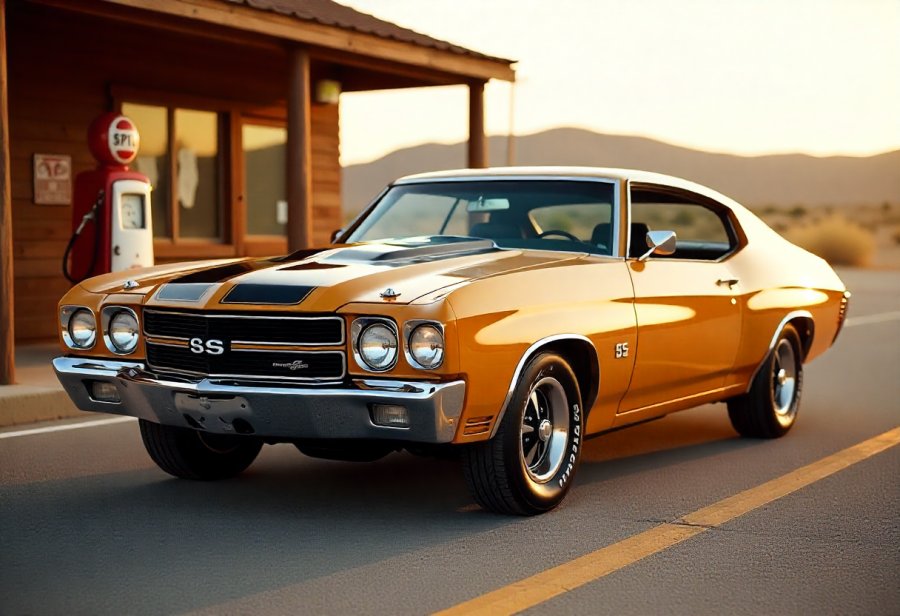
Unleashing the Muscle: The 1970s Chevrolet SS as an Icon of Power and Style
The 1970s Chevrolet SS stands as a quintessential symbol of American muscle car power and style. During this era, muscle cars like the Chevrolet SS captured the rebellious spirit and raw energy that defined a generation. With bold lines, aggressive stances, and roaring V8 engines, these cars weren’t just transportation—they were statements of attitude and engineering excellence. The distinctive styling, from wide bodies to racing stripes, made sure these vehicles turned heads wherever they went. They embodied the freedom and performance that muscle car enthusiasts craved, creating an instant connection between driver and machine.
These cars, whether in the form of the Chevelle SS 454 or the Camaro SS, became icons of their time. They combined impressive horsepower with eye-catching aesthetics, making them more than just vehicles—they were cultural symbols. Their muscular contours and bold details reflected a desire for speed and dominance on the streets. Under the hood, powerful big-block V8 engines delivered thunderous acceleration, giving drivers an exhilarating experience every time they hit the gas. These engines weren’t just about speed—they represented the pinnacle of American automotive performance during the muscle car era.
Designed to stand out, the 1970s Chevrolet SS featured wide, muscular bodies, hood scoops, racing stripes, and aggressive grilles—each element crafted to evoke power and speed. Chrome accents, rally wheels, and bold paint jobs like Hugger Orange emphasized its commanding presence. Every detail was intended to signal performance even when parked, making a statement before the engine was ever started. These visual cues helped define the muscle car’s identity as a machine built for both style and substance.
Beyond their striking looks, these cars played a significant role in shaping American automotive culture. They became symbols of rebellion, freedom, and individuality. Movies like “Bullitt” and “Vanishing Point” showcased muscle cars as icons of daring and adventure, embedding them into the national consciousness. Musicians and pop culture figures celebrated their raw power, turning the Chevrolet SS into a household name. This cultural resonance helped cement the muscle car’s enduring legacy as an American icon.
The rise of muscle cars in the late 1960s and early 1970s marked a golden age of automotive innovation. Manufacturers vied to create the fastest, most stylish vehicles on the road, with big-block engines and aggressive designs leading the way. The Chevrolet Chevelle SS 454, introduced in 1970, exemplified this trend with its 454-cubic-inch V8 producing over 450 horsepower. These cars weren’t just about raw power—they reflected a broader cultural desire for freedom and adventure, with thunderous engines echoing across highways and drag strips alike.
However, this era faced challenges as stricter emissions regulations and rising fuel prices began to limit performance. Automakers had to adapt, often reducing engine sizes and horsepower to meet new standards. Despite these hurdles, the legacy of the muscle car era remains strong. The Chevrolet SS continues to symbolize a time when American cars pushed boundaries, blending bold aesthetics with unmatched performance. Its enduring appeal is a testament to the era’s lasting influence on automotive design and culture.
Setting the Stage: The Rise of the 1970s Muscle Car Revolution in America
The rise of muscle cars in America during the 1960s and early 1970s marked a defining moment in automotive history. These vehicles weren’t just about transportation; they became symbols of rebellion, freedom, and youthful energy. As demand for high performance grew, automakers like Chevrolet responded with daring designs and powerful engines that pushed the limits of speed and style. Big-block V8s, often producing over 400 horsepower, gave these cars thunderous roars and blistering acceleration, captivating enthusiasts and making every drive an adrenaline-fueled experience.
Visually, muscle cars stood out with their wide bodies, racing stripes, and chrome accents. Their aggressive profiles and bold details signaled their purpose at a glance—speed and power. This eye-catching aesthetic wasn’t accidental but a deliberate choice to evoke dominance and excitement. Drivers proudly showcased their machines on highways and drag strips, embracing a culture that celebrated daring, individuality, and the thrill of pushing boundaries. Cars became personal expressions of independence, embodying a rebellious spirit that defined an entire generation.
Competition among American automakers fueled this muscle car craze. Brands vied to create the fastest, most stylish models, constantly raising the bar with larger engines and sleeker designs. The Chevrolet Chevelle SS 454, introduced in 1970, became a legend with its 454-cubic-inch V8 engine delivering over 450 horsepower. The Camaro SS offered a more compact yet equally potent option. These vehicles weren’t just about raw power—they reflected a cultural desire for adventure, freedom, and unrestrained performance that echoed through highways and drag strips alike.
This era was also shaped by media and pop culture that elevated muscle cars to iconic status. Films like “Bullitt” and “Vanishing Point” showcased these vehicles as symbols of daring escapades and rebellion. Musicians and celebrities celebrated their raw power, embedding muscle cars into the national consciousness. Their thunderous engines and striking aesthetics became symbols of American ingenuity, freedom, and the relentless pursuit of speed, inspiring generations to dream bigger and drive faster.
However, the muscle car era faced significant challenges as the 1970s progressed. Stricter emissions standards and rising fuel prices forced automakers to scale back performance, often reducing engine sizes and horsepower. Despite these hurdles, the legacy of muscle cars like the Chevrolet SS endured, symbolizing a golden age of automotive innovation and raw power. Their bold designs and roaring engines continue to inspire enthusiasts and shape the culture of American performance cars.
Today, these classic muscle cars serve as tangible links to a period when pushing limits was celebrated and speed was king. They represent more than just a bygone era—they embody a spirit of daring, freedom, and American craftsmanship. Preserving and appreciating these vehicles ensures that the roar of the 1970s muscle car era remains alive, inspiring new generations to chase that same passion for performance and style.
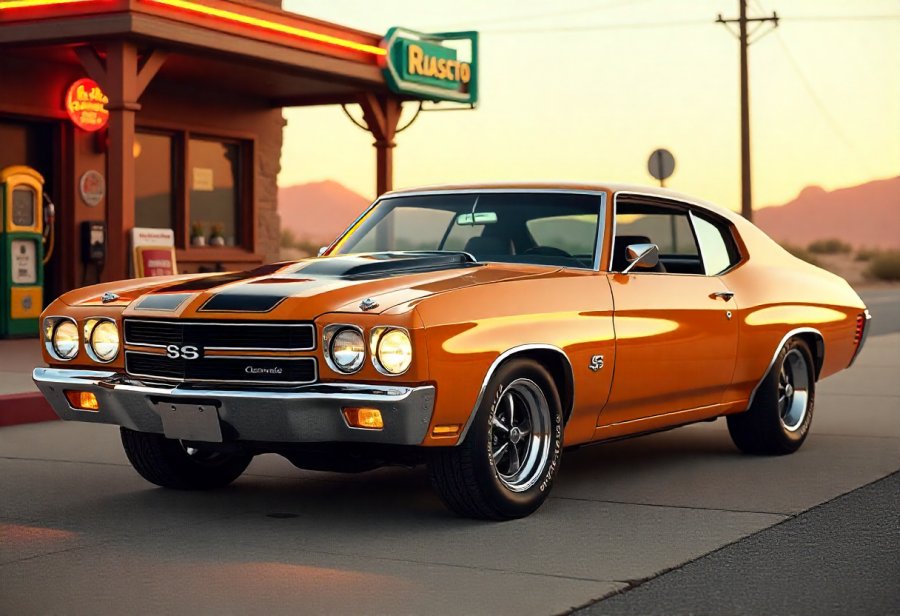
Design and Might: Core Elements that Define the Chevrolet SS’s Performance Spirit
The core appeal of the Chevrolet SS lies in its bold, muscular design paired with performance that commands attention. Its wide stance and aggressive lines immediately evoke strength and speed, with features like hood scoops, racing stripes, and a prominent grille serving as visual cues of its racing heritage. These aesthetic elements aren’t just for show—they signal that this car was built for performance, making a statement long before its engine roars to life.
Beneath the striking exterior resides a heart of pure muscle: the big-block V8 engine. The 454 cubic-inch version is legendary, delivering staggering horsepower and torque that give the Chevrolet SS its thunderous growl. This engine wasn’t just about numbers; it embodied the raw power that defined the muscle car era. The deep, resonant exhaust note became a signature sound—a badge of honor for enthusiasts who craved speed and performance.
Handling and stability are just as crucial as engine power. The Chevrolet SS was engineered with suspension systems tuned for high-speed control, allowing drivers to carve sharp turns with confidence. Wide rally wheels and upgraded brakes complemented the performance setup, ensuring the car could accelerate quickly and stop just as fast. This balance of power and agility made it a versatile machine, capable of both exhilarating street driving and strip domination.
Design details like chrome accents, wide wheels, and dual exhausts reinforced the car’s commanding presence. These elements weren’t just cosmetic—they worked together to create an aesthetic of unrelenting performance. Every curve, every line was crafted to evoke a sense of purpose and dominance on the road. From the hood scoop to the rear spoiler, each detail was thoughtfully designed to enhance both style and function.
In essence, the Chevrolet SS is a perfect fusion of style and substance. Its muscular design communicates strength, while its powerful engine and refined handling deliver an authentic muscle car experience. This combination cemented its status as an icon of American automotive ingenuity—an enduring symbol of the golden age of muscle cars, where performance and attitude were inseparable.
Reviving the Legend: Connecting Vintage Chevrolet SS to Modern Automotive Passion
Today, the Chevrolet SS from the 1970s holds a special place in automotive culture as a symbol of American muscle car history. For enthusiasts and collectors, these vehicles represent more than just powerful engines and striking styling—they serve as tangible links to a golden age of performance and innovation. Restoring a Chevrolet SS isn’t just about fixing a car; it’s about preserving a piece of history, reconnecting with a time when American automakers pushed the limits of design and engineering. Many vintage models are now prized possessions, often showcased at car shows or kept in private collections as symbols of a bygone era of horsepower and style.
The appeal of the Chevrolet SS today extends beyond nostalgia. Restorers and hobbyists find deep satisfaction in reviving these cars to their original glory, often going to great lengths to source authentic parts. Joining dedicated clubs or online communities enables enthusiasts to share tips, swap stories, and trade hard-to-find components. These groups play an essential role in keeping the muscle car legacy alive, fostering a sense of camaraderie rooted in a shared passion for American automotive history.
Restoring a Chevrolet SS involves meticulous attention to detail. Many enthusiasts focus on sourcing period-correct parts, from engine components to body panels and decals, ensuring the vehicle remains true to its original design. Rebuilding the legendary 454 big-block V8 engine is a common project, aiming to recreate that thunderous roar that defined muscle cars of the era. Bodywork, including sanding, repainting in classic colors like Hugger Orange, and authentic decals, helps recapture their visual impact. Regular maintenance of brakes, suspension, and tires is crucial to keep these cars safe and capable of delivering the exhilarating experience they were built for.
Visiting vintage car shows or participating in muscle car events offers opportunities to see restored models firsthand, learn about their engineering, and connect with others who share the passion. These experiences bridge the gap between past and present, allowing new generations to appreciate the cultural significance of muscle cars. Owning and maintaining a Chevrolet SS today isn’t just about nostalgia; it’s about keeping alive the spirit of American innovation, performance, and rebellion. Each restored vehicle becomes a rolling testament to a time when pushing boundaries was celebrated and speed reigned supreme.
Preserving these vintage cars is more than a hobby; it’s a way to safeguard a vital chapter of automotive history. Every restored Chevrolet SS stands as a tribute to American craftsmanship and the relentless pursuit of power and style. As the muscle car legacy continues to inspire, these vehicles remind us of an era when horsepower and attitude defined the open road. Their roar echoes through time, inspiring new generations to embrace the daring spirit that made the muscle car era legendary. Maintaining and celebrating these icons ensures their influence endures, fueling passion and innovation for years to come.
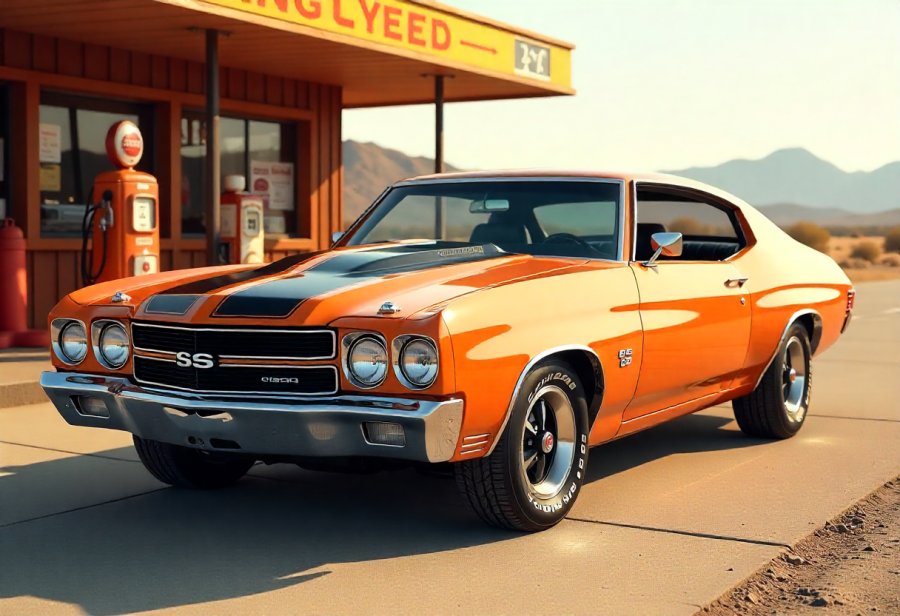
Legacy in Motion: The Enduring Impact and Future of the Chevrolet SS Heritage
The Chevrolet SS of the 1970s stands as a powerful symbol of American muscle car ingenuity and cultural influence. Its bold styling combined with thunderous big-block engines captured a moment when performance, attitude, and rebellious spirit went hand in hand. These cars weren’t just transportation; they embodied freedom, individuality, and a relentless pursuit of speed that defined a generation. Their legacy is etched into the fabric of automotive history, inspiring enthusiasts and shaping the future of high-performance vehicles.
As icons of their era, Chevrolet SS models pushed the boundaries of design and engineering. Their striking aesthetics and roaring engines continue to resonate today, representing a golden age when pushing limits was celebrated. Restoring and preserving these vehicles is more than a hobby—it’s a way to keep alive the spirit of American innovation and craftsmanship. Each restored car is a rolling monument to a time when horsepower was king and style was unapologetically bold.
The muscle car era of the 1960s and early 1970s left an indelible mark, transforming cars from mere tools into symbols of rebellion and personal expression. Films, music, and pop culture celebrated their raw power, embedding them into the national consciousness. The thunder of a big-block engine still stirs nostalgia and admiration, reminding us of a period where daring and adventure ruled the roads.
Looking ahead, the legacy of the Chevrolet SS encourages ongoing preservation and appreciation. Enthusiasts continue to share stories, exchange authentic parts, and participate in events that honor this rich history. Modern performance cars often draw inspiration from the muscle car era, demonstrating its influence on current design and engineering. Maintaining these classics isn’t just about nostalgia; it’s about passing down a story of resilience, innovation, and American craftsmanship.
Every restored Chevrolet SS is a testament to the enduring appeal of bold design and unrelenting performance. These vehicles serve as tangible links to a time when American automakers dared to dream big and push boundaries. As new generations discover their appeal, the roar of these cars will continue to inspire, reminding us that the spirit of muscle cars remains alive. Preserving this heritage ensures that their legacy of power, style, and rebellion continues to drive the future of automotive innovation.