In a digital age where screens dominate our lives, can the simple act of tending a garden together truly forge deeper bonds and foster healing? This compelling exploration reveals how shared outdoor activities like gardening go beyond cultivating plants—they nurture genuine human connection, patience, and trust. With vivid scenes of collaborative work in sunlit gardens, the narrative underscores gardening’s power to reduce stress, promote mindfulness, and rebuild relationships fractured by digital disconnection. The timeless benefits of engaging with nature—grounding, calming, restorative—are illuminated through scientific insights and real-world stories, demonstrating how small acts of nurturing can lead to profound emotional resilience. As we seek meaningful ways to reconnect beyond virtual boundaries, this journey into collective gardening offers a refreshing reminder: growth, in both plants and relationships, takes time, patience, and shared care. Could this simple, accessible practice be the key to restoring authentic connection in a fragmented world?
Bridging Digital Disconnection Through Shared Gardening
In today’s fast-paced digital world, genuine human connection often feels more elusive than ever. We start our mornings scrolling through social media feeds or replying to emails, sometimes before exchanging a single word with those around us. Virtual interactions dominate our routines, making it easy to feel disconnected even when we’re constantly “online.” This paradox of feeling lonelier despite being more connected raises an important question: can something as simple as gardening together help bridge that emotional gap?
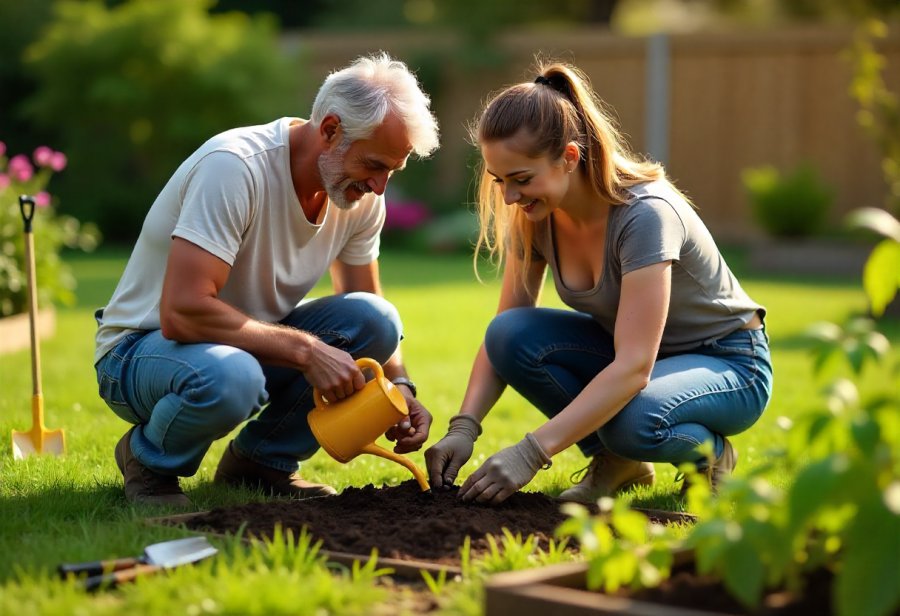
Sharing the work of tending a garden isn’t just about growing plants; it’s about creating a space for real, tactile connection. Working side by side outdoors encourages conversation, patience, and mutual support—elements that are often missing in digital exchanges. When people plant, water, and nurture together, they engage in a shared effort that naturally builds trust and understanding. These moments of collaboration foster bonds rooted in presence and emotional openness, offering a refreshing contrast to the loneliness that digital life can bring.
Gardening taps into a fundamental human need—to connect with nature and with each other. It acts as a kind of outdoor therapy, providing a calming rhythm that reduces stress and promotes well-being. The physical actions involved—digging, planting, watering—serve as mindful practices that ground us, helping to process emotions and clear mental clutter. When shared with others, these experiences become even more powerful, strengthening relationships and cultivating a sense of shared purpose that transcends words.
This idea isn’t new, but it’s gaining renewed relevance today. As screens continue to dominate our lives, many are seeking meaningful ways to reconnect beyond the digital realm. Gardening offers an accessible, low-pressure activity that invites people outside, encouraging them to slow down and engage with the natural world—and with each other. These shared moments of nurturing life together can be surprisingly healing, helping to rebuild trust and emotional resilience in a world that often feels disconnected.
Beyond just planting seeds, tending a garden together teaches patience, cooperation, and support. Watching a garden grow through collective effort reminds us that growth—whether in plants or relationships—takes time and gentle care. These small acts of nurturing ripple outward, creating deeper bonds and fostering a sense of community and belonging that can last a lifetime.
In a world where digital interactions often lack nuance and emotional depth, gardening offers a tangible alternative. It reminds us that real connection happens in the physical world—through shared effort, presence, and care. Even amid the chaos of modern life, tending a garden side by side can be a powerful way to reconnect, heal, and grow together in a meaningful, lasting way.
Healing Roots: Nature’s Power and the Therapeutic Role of Gardening
Throughout history, humans have turned to nature and gardening not just for sustenance, but as vital sources of healing and balance. From ancient civilizations cultivating herbs and vegetables for nourishment to modern therapeutic horticulture programs, tending plants has long been recognized for its calming and restorative effects. Spending time in green spaces helps ground us, reducing stress, lowering blood pressure, and uplifting our mood. Engaging with soil and plants activates our senses—touch, smell, sight—creating a natural pathway to mindfulness and emotional well-being.
Scientific studies consistently show that exposure to green environments benefits mental health. Time spent in gardens or parks can significantly decrease cortisol levels, the hormone associated with stress. Activities like digging, planting, and nurturing plants provide a tactile, meditative experience that helps process emotions such as grief, anxiety, or daily tension. Connecting with nature acts as a gentle remedy, restoring mental clarity and emotional resilience without medication or therapy.
Being in lush, green spaces stimulates our senses in soothing ways. The vibrant colors of flowers, the fresh scent of herbs, and the earthy textures of soil all engage our sensory pathways, encouraging us to slow down and focus on the present moment. These experiences foster mindfulness, helping us detach from worries and reconnect with the here and now. When shared with others, the calming effects intensify, nurturing conversations and trust. Working together in a garden not only nurtures plants but also cultivates emotional closeness rooted in patience and mutual support.
Tending a garden side by side cultivates more than just healthy plants; it builds teamwork, patience, and trust. Tasks like planting seeds or watering require cooperation and shared effort, often sparking meaningful dialogue and shared laughter. Watching the fruits of these efforts grow reinforces that growth—whether in plants or relationships—takes time and gentle care. These moments of collective nurturing lay a foundation for emotional resilience and reinforce the idea that healing and connection flourish when tended with patience.
In today’s fast-paced, digital world, the restorative power of nature offers an essential counterbalance. It taps into our innate healing instincts—calming the mind, soothing the body, and fostering genuine bonds. Sharing the experience of caring for a garden helps us step away from screens and reconnect with the natural world and each other. This timeless practice reminds us that, even amid modern chaos, caring for plants can serve as a simple yet profound way to heal, grow, and strengthen bonds in ways that no virtual interaction can match.
Facing Modern Reality: Digital Dominance and the Need for Tangible Connections
Today, our daily lives revolve around screens. Many of us start the day by checking our phones or laptops, often before speaking a word to anyone nearby. Social media feeds, emails, and virtual meetings fill our schedules, creating a continuous digital presence that’s hard to escape. While these tools make it easy to stay connected across distances, they often come at the expense of meaningful, face-to-face interactions.
This shift toward digital communication has led to a noticeable decline in genuine relationships. Despite being “connected” online, many people report feeling lonelier and more isolated than ever. Virtual exchanges lack the nuance of body language, eye contact, and shared silence—elements that foster trust and emotional intimacy. Without these cues, superficial conversations replace deeper connections, leaving us feeling disconnected even in a crowded digital space.
The reliance on screens also weakens our ability to develop empathy. Text-based messages often miss tone and emotion, leading to misunderstandings and emotional distance. Over time, this can erode bonds with friends, family, and partners, making relationships feel fragile and less resilient. As digital interactions become the norm, it becomes harder to nurture the trust and support that are vital for strong connections.
Beyond individual relationships, this trend fragments communities. Casual interactions like chatting with neighbors or working side by side in shared spaces are becoming rarer. Many spend their outdoor time glued to devices, missing spontaneous moments of connection that once helped build social bonds. This digital dominance weakens the social fabric, making it more challenging to foster a sense of belonging and mutual support in our daily lives.
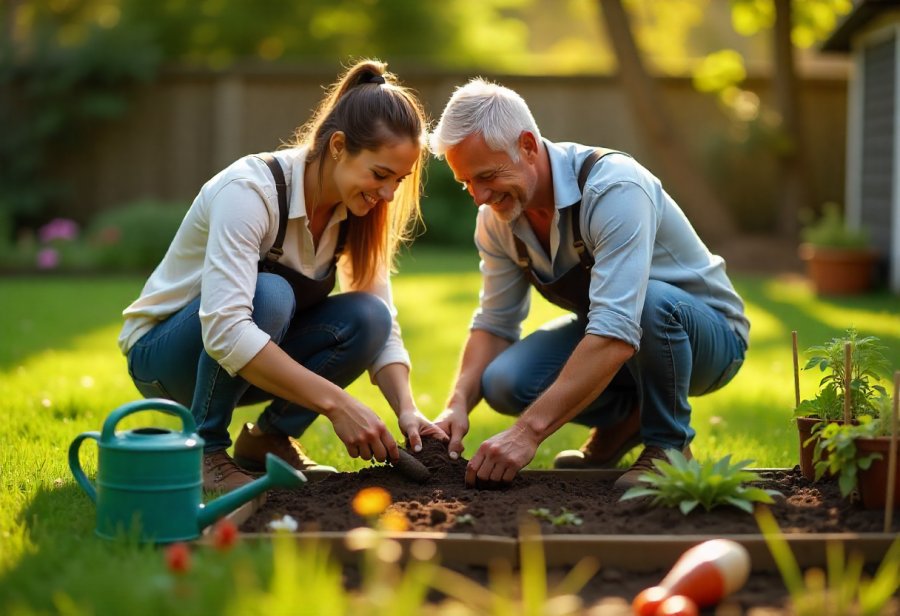
Amid this landscape, there’s a growing awareness of the need to reconnect in tangible ways. Activities that promote real presence—like outdoor sports, shared meals, or community projects—are making a comeback. Gardening, in particular, offers a simple yet powerful way to step outside, slow down, and engage with others naturally. These outdoor moments encourage cooperation and conversation, helping rebuild trust and emotional bonds that digital interactions often lack.
Reclaiming time for face-to-face contact requires intentional effort. Setting device-free hours or choosing outdoor activities that promote cooperation can help bridge the gap. By consciously balancing digital and real-world interactions, we can restore some of the human connection that’s slipping away. Small steps like these can make a meaningful difference in strengthening relationships and fostering genuine community.
While the digital world offers convenience, it shouldn’t replace the depth of real connection. The tactile, shared experience of gardening provides an authentic way to nurture relationships, offering a counterbalance to the virtual realm. When we prioritize being present with others outdoors, we create opportunities for trust, patience, and emotional resilience to flourish.
In the end, it’s clear that meaningful human bonds are built in moments of shared presence, not just through digital exchanges. Reclaiming these real-world experiences can restore the warmth and depth that technology alone cannot provide. Finding time to disconnect from screens and engage outdoors isn’t just a trend—it’s a vital step toward rebuilding the human connection that sustains us all.
Investing in Growth: The Cost-Effective Power of Shared Gardening
Starting a shared garden doesn’t have to be financially daunting. Basic tools like trowels, gloves, and watering cans are affordable and durable, especially when chosen wisely. Seeds and soil are also budget-friendly options, particularly if you focus on seasonal or native plants that thrive with minimal fuss. You don’t need expensive equipment—simple, cost-effective tools can do the job just as well. The real value lies in the emotional and health benefits—stress reduction, strengthened relationships, and improved well-being—that far outweigh the initial investment.
Most of the upfront costs remain quite manageable. Starting small with a few seed packets, some basic tools, and a modest patch of ground keeps expenses low. Opting for native plants or seedlings from local nurseries can save money, as they tend to grow faster and require less maintenance. Recycling materials like old containers or pallets as planters and composting kitchen scraps can further cut costs and add a creative touch. These simple choices make gardening accessible, regardless of budget, while fostering a sense of resourcefulness and shared purpose.
Beyond initial spending, investing time and effort into gardening yields long-term emotional and physical rewards. Working side by side encourages patience, teamwork, and mutual support—qualities that naturally extend beyond the garden. The physical activity involved—digging, planting, watering—not only promotes better health but also elevates mood and reduces stress. Viewing gardening as a purposeful activity transforms small investments into lasting resilience and stronger bonds, creating a foundation for ongoing connection and well-being.
As the garden expands, there are ways to keep costs minimal. Community gardens, seed swaps, and online groups often offer free or inexpensive plants and supplies. Sharing resources with neighbors or joining local gardening clubs can make the process more affordable and foster community spirit. These exchanges reinforce the idea that the true value of a garden isn’t just in its harvest but in the relationships and shared experiences that flourish alongside it. The simple act of nurturing life together becomes a meaningful investment in both health and community.
In the end, the modest financial outlay needed to start and maintain a garden is a small price for the profound emotional, mental, and physical benefits it provides. Tending the soil together creates a sense of accomplishment and trust that no monetary value can replace. Gardening transforms outdoor space into a sanctuary for healing and connection—an accessible, powerful way to nurture relationships and foster resilience. Sometimes, the simplest investments—time, care, and a little dirt—yield the most meaningful growth.
Cultivating Bonds: Real-World Benefits of Gardening Together
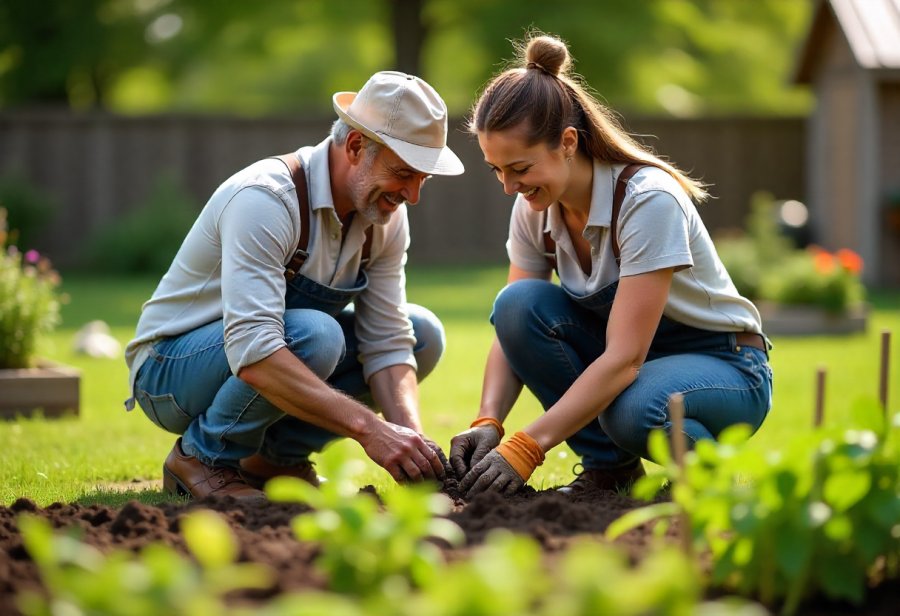
Gardening together yields clear, tangible benefits for relationships and mental health, often in ways we might not immediately notice. When couples or families work side by side in a shared garden, they often find that communication improves and cooperation becomes more natural. Simple routines like planting, watering, or tending to pests become opportunities for dialogue, patience, and shared accomplishment. Over time, these joint efforts foster trust and support, qualities that tend to spill over into everyday interactions, making relationships more resilient and less stressful.
On the mental health front, outdoor gardening acts as a natural mood booster. Nurturing plants and watching them grow provides a sense of purpose and achievement, especially during challenging times. Many people report feeling calmer and more centered after spending time in the garden, which helps reduce anxiety and lift spirits. The act offers a private space for reflection and emotional release, making it an effective form of natural therapy for processing grief, stress, or trauma.
Stories abound of how shared gardening routines transform daily life. Take a couple who starts growing vegetables—they often find that their teamwork improves, and their patience deepens. Facing setbacks like pests or bad weather together teaches resilience and problem-solving, strengthening their bond. Families participating in community gardens experience a collective sense of achievement, watching their efforts turn into vibrant blooms or ripe produce. These moments reinforce that growth takes time and gentle care, whether with plants or relationships.
Of course, challenges like differing levels of enthusiasm or unexpected failures can test patience. Weather setbacks or crop losses might cause frustration, but they also serve as lessons in perseverance. Facing these hurdles side by side encourages communication, flexibility, and mutual support, which ultimately strengthen trust. Overcoming obstacles together makes the shared journey more meaningful and helps build emotional resilience that lasts well beyond the garden.
Experts agree that gardening isn’t just a hobby—it’s a practical tool for healing and connection. Psychologists note that outdoor, collaborative activities foster mindfulness and emotional intimacy, while horticulturists emphasize the therapeutic power of caring for living things. Relationship counselors often recommend setting shared goals and embracing the process, recognizing that nurturing a garden cultivates patience, trust, and emotional strength. These real-world examples demonstrate how small acts of care can have profound impacts on mental health and relationships.
Ultimately, the tangible benefits of gardening together show that even in an age dominated by screens, genuine connection still blooms in the soil. Whether it’s strengthening a partnership, helping a family bond, or supporting personal emotional health, shared gardening offers a straightforward, accessible way to nurture growth—both of plants and of people. It reminds us that patience, support, and care are the roots of lasting bonds, thriving best when cultivated side by side.