



Nylon, a fiber woven into the fabric of modern life, is rooted in petrochemical processes that carry hefty environmental costs. Its durability, affordability, and versatility have made it indispensable in textiles, carpets, and outdoor gear—yet behind these benefits lies a complex web of ecological damage. From resource extraction and pollution during manufacturing to the persistent waste in landfills, nylon’s lifecycle contributes significantly to habitat destruction, greenhouse gas emissions, and microplastic pollution in our oceans. With its dependence on fossil fuels and the slow breakdown of discarded products, questions arise: Can innovative sustainable alternatives—like recycled or biodegradable nylons—tip the balance? As awareness grows, so does the urgency to reimagine how this ubiquitous material impacts our planet. What choices will define the future of fashion and manufacturing in the face of such environmental challenges?
Unveiling Nylon’s Ubiquity and Hidden Environmental Toll
Nylon is one of the most common synthetic fibers in our daily lives. From the clothes we wear to the carpets under our feet and outdoor gear we rely on, it’s everywhere. Its popularity stems from being strong, affordable, and versatile, fitting a wide range of uses across industries. But behind this convenience lies a less obvious story—one tied to environmental concerns that often go unnoticed. Producing nylon depends heavily on fossil fuels like oil and natural gas, linking it directly to resource depletion and pollution. As awareness of these impacts grows, many are questioning whether nylon’s benefits outweigh its ecological costs. Understanding this connection is crucial because it influences choices we make as consumers and industries. Recognizing the environmental footprint of nylon can inspire better decisions and encourage innovation toward more sustainable alternatives.
Decoding Nylon’s Chemical Roots and Manufacturing Journey
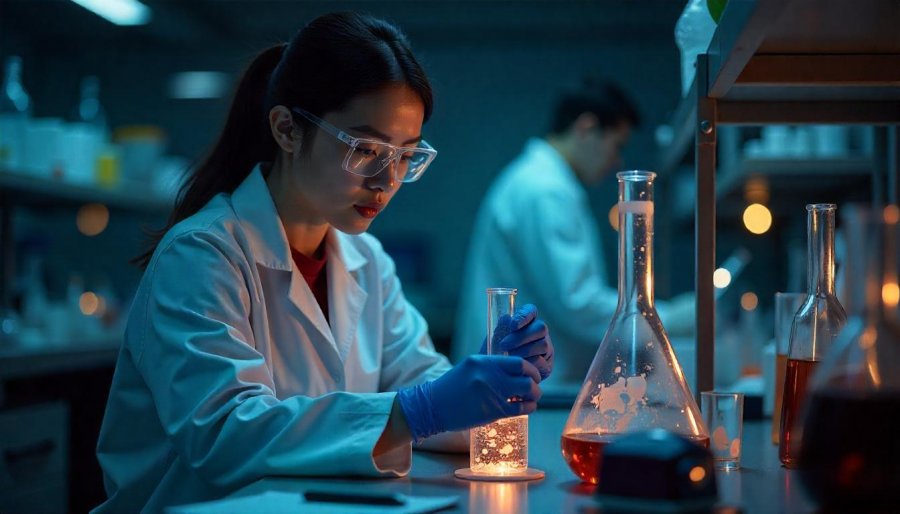
Nylon’s origins are rooted in petrochemicals, primarily derived from oil and natural gas. These raw materials undergo a process called polymerization, where small molecules known as monomers are heated and chemically linked to form long, strong chains called polymers. The most common type, nylon 6,6, results from reacting hexamethylenediamine with adipic acid, creating a durable fiber used in countless products. Once produced, the raw polymer is melted and spun into fine filaments, which are then woven into fabrics for clothing, carpets, and industrial applications. This entire process is highly energy-intensive and depends heavily on fossil fuels, linking nylon directly to resource extraction and pollution. Its chemical structure provides elasticity and resilience, but also ties it to non-renewable energy sources. Understanding this chemical foundation reveals how nylon’s manufacturing significantly impacts the environment.
From Petrochemicals to Fabrics: The Synthesis of Nylon
Nylon’s origins are deeply embedded in petrochemicals derived from oil and natural gas. These raw materials serve as the building blocks for its chemical structure, making the production process inherently linked to fossil fuel extraction. Through a chemical process called polymerization, small molecules known as monomers are heated and chemically bonded into long, chain-like polymers. In nylon 6,6, hexamethylenediamine reacts with adipic acid, forming a strong and resilient fiber. After polymer formation, the material is melted at high temperatures and extruded through fine nozzles to create filaments. These fibers are then cooled, stretched, and spun into threads suitable for textiles, carpets, and industrial uses. This entire synthesis demands significant energy input, mainly from burning fossil fuels, which releases greenhouse gases and pollutants into the environment. The chemical composition of nylon grants it durability and elasticity, but also cements its dependence on non-renewable resources.
Tracing Nylon’s Evolution: From Invention to Industry Staple
Since its invention in the late 1930s, nylon quickly transformed from a scientific breakthrough into a manufacturing mainstay. Developed by DuPont, it was celebrated for its strength, elasticity, and resistance to wear, making it a versatile alternative to natural fibers like silk and cotton. During the mid-20th century, nylon’s durability propelled its adoption across industries such as textiles, automotive, and military equipment. Its ability to be manufactured in different forms, from fibers to molded parts, expanded its reach even further.
As production techniques advanced, new types like nylon 6 and nylon 6,6 emerged, each with unique properties suited to specific applications. The post-war boom in consumer goods fueled demand, embedding nylon into everyday life. Its resilience and low cost made it a go-to material for clothing, carpets, and outdoor gear.
Over decades, nylon’s presence grew steadily, driven by innovation and industrial scaling. However, this expansion also increased its environmental footprint, raising questions about sustainability. The evolution of nylon reflects a story of technological progress intertwined with ecological challenges, shaping its role in modern manufacturing.
Environmental Harm: The Cost of Nylon’s Durability
The environmental impact of nylon production is profound and far-reaching. Its reliance on fossil fuels like oil and natural gas makes the process inherently polluting. Extracting these resources often results in habitat destruction, water contamination, and air pollution, harming ecosystems and communities nearby. During manufacturing, factories emit hazardous chemicals such as volatile organic compounds and nitrous oxides, which contribute to smog formation and respiratory issues. These emissions also trap heat in the atmosphere, fueling climate change. The chemicals used in nylon synthesis are not only toxic but also persist in the environment, contaminating soil and water when waste escapes into landfills or waterways. Additionally, nylon’s durability means discarded products can linger for decades, slowly leaching chemicals that threaten wildlife and human health. This cycle of extraction, production, and disposal underscores nylon’s role as a major contributor to environmental degradation.
Balancing Utility and Ecology: Perspectives on Nylon Usage
Nylon’s utility is undeniable; its strength, affordability, and versatility have made it a staple across industries. Many appreciate its durability, believing it reduces waste by extending product lifespans. However, critics point out that this resilience leads to persistent waste, as nylon items can linger in landfills for decades, contributing to long-term pollution. The environmental costs of production—especially reliance on fossil fuels—are another major concern, raising questions about whether its benefits outweigh the ecological damage. Some industry leaders see potential in recycled and biodegradable alternatives, but adoption remains slow. Consumers are increasingly aware of nylon’s hidden costs, prompting a shift towards more sustainable choices. This ongoing debate underscores the challenge of balancing practicality with responsibility, urging industries and individuals alike to reconsider their reliance on this synthetic fiber.
Industry Norms: Manufacturing Practices of Today
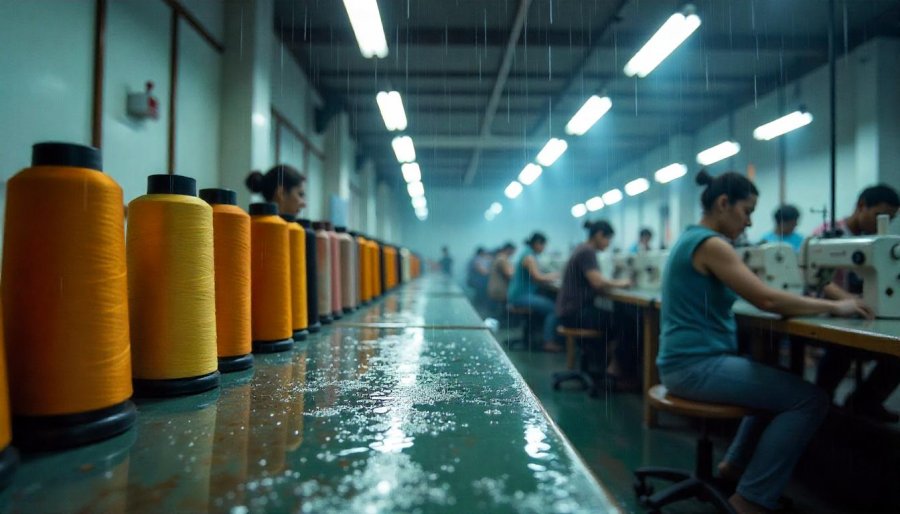
Today, most nylon manufacturing still relies heavily on petrochemical raw materials derived from oil and natural gas. These ingredients are processed through polymerization, where monomers are heated and chemically bonded to form long, durable chains. The common nylon 6,6 is produced by reacting hexamethylenediamine with adipic acid, creating a strong fiber used across industries. The production process involves melting the polymer and extruding it into fine filaments for textiles, carpets, and industrial applications. Despite advancements, many factories continue to operate with minimal green alternatives, consuming vast amounts of energy mostly from fossil fuels. Regulations aim to limit emissions, but enforcement varies, making sustainable practices inconsistent. Industry leaders are increasingly exploring recycled and bio-based options, though widespread adoption remains slow. This ongoing norm reflects a balance between meeting consumer demand and managing environmental impacts.
Current Impact: Nylon’s Toll on Ecosystems and Human Health
Nylon’s current environmental footprint is both widespread and urgent. Its production releases hazardous pollutants like volatile organic compounds and nitrous oxides into the air, contributing to smog formation and respiratory problems in nearby communities. These emissions also trap heat, intensifying climate change. The extraction of oil and natural gas—the raw materials for nylon—causes habitat destruction and water contamination, further damaging ecosystems. As nylon manufacturing expands, so does the release of these pollutants, creating a cycle of environmental harm. Once in use, nylon fibers shed microplastics during washing, which then infiltrate oceans and waterways, threatening marine life and entering the food chain. Discarded nylon in landfills persists for decades, slowly leaching toxic chemicals into soil and groundwater. This persistent pollution underscores the urgent need for sustainable production and waste management practices.
Pollution Pathways: How Nylon Manufacturing and Waste Harm the Environment
The production of nylon is a significant source of petrochemical pollution, contributing hazardous substances to the environment. Factories release volatile organic compounds and nitrous oxides directly into the air, which promote smog formation and respiratory issues in nearby communities. These emissions trap heat, intensifying global warming and climate change. The extraction of oil and natural gas—the raw materials—further damages ecosystems through habitat destruction and water contamination. As nylon manufacturing grows, so does the release of these pollutants, creating a cycle of environmental harm. Once in use, nylon fibers shed microplastics during washing, which infiltrate oceans and waterways, threatening marine life and entering the food chain. Discarded nylon in landfills persists for decades, slowly leaching chemicals that contaminate soil and groundwater. This ongoing cycle underscores nylon’s pervasive role in environmental degradation.
Dependence on Non-Renewables: The Fossil Fuel Link in Nylon Production
Nylon production relies heavily on extracting and processing fossil fuels such as oil and natural gas, making it a cornerstone of its manufacturing process. These non-renewable resources are the raw materials that form the chemical backbone of nylon fibers. The extraction of these fuels involves disruptive practices like drilling and fracking, which cause habitat destruction, water contamination, and air pollution. Once obtained, the fuels undergo complex chemical reactions—mainly polymerization—that transform them into durable nylon polymers. This process demands vast amounts of energy, predominantly derived from burning fossil fuels, which releases greenhouse gases into the atmosphere. As global demand for nylon rises, so does the pressure to extract more non-renewable resources, perpetuating a cycle of environmental degradation. This dependence ties nylon directly to the broader issues of climate change and resource depletion, illustrating how everyday products are deeply interconnected with global energy consumption. Addressing this reliance requires innovative industry shifts and the adoption of renewable alternatives.
Landfill Accumulation: The Long-Term Waste Challenge of Nylon
Nylon’s durability means it rarely breaks down once it reaches landfills. Instead, it can persist for decades, slowly leaching chemicals into the surrounding soil and water. This long lifespan turns discarded nylon into a persistent pollutant that adds to the global plastic waste crisis. As more nylon products are thrown away, landfills become overwhelmed, taking up valuable space and posing environmental risks. Over time, toxic substances from nylon can seep into ecosystems, affecting wildlife and human health alike. Its resilience prevents natural degradation, making waste management increasingly challenging. This accumulation highlights the urgent need for better recycling methods and alternatives that break down more easily. Without improvements, nylon waste will continue to accumulate, long after its initial use, contributing to ongoing environmental degradation for generations to come.
Impact Areas in Focus: Petrochemical Pollution and Marine Threats
Nylon production is a major source of petrochemical pollution, releasing hazardous substances like volatile organic compounds and nitrous oxides into the air. These chemicals contribute to smog formation, respiratory problems, and climate change, especially in communities near factories. The extraction of oil and natural gas—the raw materials—causes habitat destruction and water contamination, adding further ecological harm. As manufacturing expands, so do emissions, creating a cycle of environmental damage that’s hard to break. Once in use, nylon fibers shed microplastics during washing, infiltrating oceans and waterways. Marine animals mistake these tiny particles for food, disrupting ecosystems and entering the food chain. Discarded nylon in landfills can persist for decades, slowly leaching chemicals into soil and groundwater, which poses ongoing risks to wildlife and human health. This combination of pollution sources underscores nylon’s deep and lasting impact on the planet.
Fossil Fuel-Based Nylon Production and Its Environmental Consequences
Nylon production is deeply intertwined with fossil fuel extraction, making it a significant driver of environmental pollution. The process begins with sourcing oil and natural gas, which are the primary raw materials for nylon’s chemical backbone. Extracting these fuels often results in habitat destruction, water contamination, and air pollution, harming ecosystems and communities alike. Once obtained, the fuels undergo complex chemical reactions—mainly polymerization—to transform into durable nylon polymers. These reactions are highly energy-intensive, relying heavily on burning fossil fuels, which releases large amounts of greenhouse gases. As demand for nylon increases globally, so does the pressure to extract more non-renewable resources, fueling environmental degradation. This cycle of extraction and processing exemplifies how a common material contributes to climate change and resource depletion, underscoring the urgent need for sustainable alternatives.
Towards Eco-Friendly Fashion: Sustainable Alternatives to Nylon
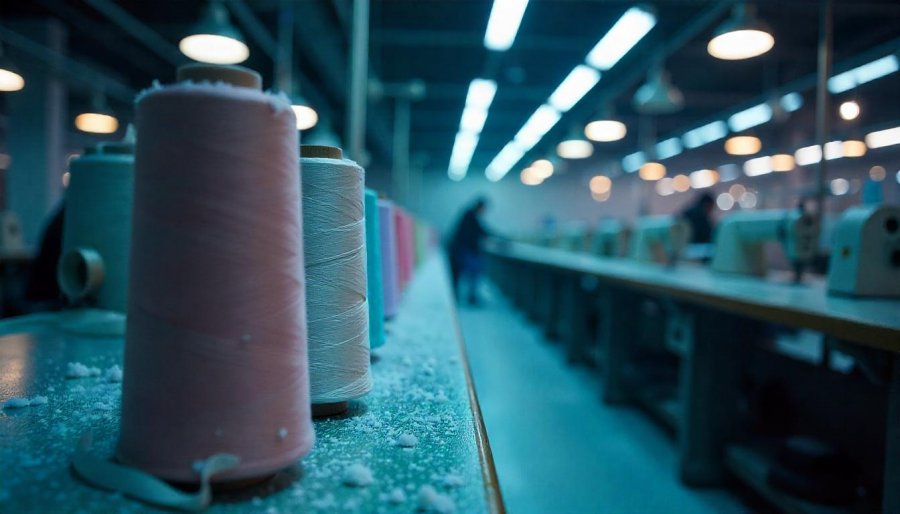
As awareness of nylon’s environmental toll grows, the fashion industry is turning to more sustainable options. Recycled nylon, made from discarded fishing nets, water bottles, and old garments, offers a practical way to reuse waste and slash reliance on virgin fossil fuels. This approach keeps plastics out of landfills and oceans while reducing energy consumption during production.
Biodegradable fibers, crafted from natural materials like cellulose or plant-based polymers, are gaining traction for their ability to break down more quickly once discarded. Brands are also experimenting with bio-based nylons derived from renewable sources such as corn or sugarcane, aiming to lower emissions and chemical impacts. These innovations show that durability and style can go hand-in-hand with eco-consciousness.
Switching to recycled and biodegradable fabrics isn’t just good for the planet; it sets a new standard for responsible manufacturing. As technology advances, more sustainable options become accessible, encouraging consumers and designers to prioritize environmental health. Embracing these alternatives helps reduce the ecological footprint of fashion and promotes a future where style and sustainability coexist.