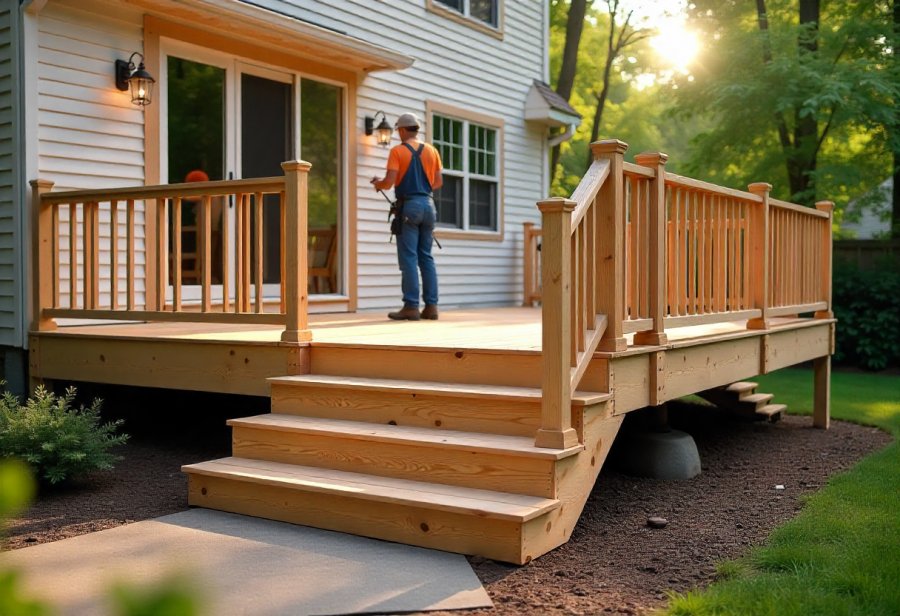
Transforming a Toronto yard into a stunning outdoor retreat involves more than just planting and paving—it’s about creating a personal sanctuary that blends beauty, functionality, and sustainability. How can homeowners enjoy vibrant, low-maintenance landscapes that honor the environment while reflecting their lifestyle? This guide explores strategic choices, from native plants that thrive locally to eco-friendly materials like recycled stone, ensuring resilience through Toronto’s changing seasons. Thoughtful design elements such as water features, fire pits, and layered lighting turn simple yards into inviting spaces for relaxation and socializing. Engaging clients early and utilizing visual tools foster collaboration, aligning visions with sustainable practices. Moreover, ongoing care—regular pruning, smart irrigation, and organic methods—preserves long-term beauty and eco-responsibility. The challenge lies in balancing aesthetic appeal with environmental integrity, but when every element harmonizes seamlessly, the result is a resilient, captivating outdoor haven that enriches everyday life while supporting the local ecosystem.
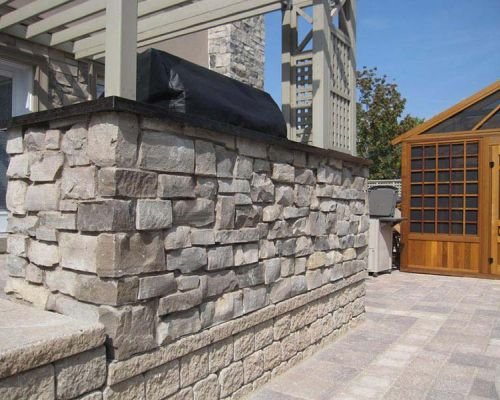
Transform Your Toronto Yard into a Personal Outdoor Sanctuary
Transforming a Toronto yard into an inviting outdoor retreat goes beyond planting a few shrubs or laying pavers. It’s about creating a space that feels personal, functional, and environmentally responsible—something homeowners can enjoy every day. Achieving this balance requires thoughtful planning and a clear understanding of both the local climate and the homeowner’s vision. When done right, the result is a yard that seamlessly combines beauty and practicality, becoming a true extension of the home.
Designing a space that’s both stunning and sustainable starts with selecting the right elements. Native plants thrive naturally in Toronto’s seasonal weather, needing less water and fewer chemicals. Sustainable materials like recycled stone or reclaimed wood not only lower the project’s carbon footprint but also help the yard blend harmoniously with its surroundings. These choices support a resilient landscape that stays vibrant year-round, reducing ongoing maintenance and environmental impact.
Involving clients early in the process is key. Understanding their needs—whether they seek a lush garden, a low-maintenance area, or an entertainment-ready yard—guides every decision. Visual tools such as mood boards or digital renderings help homeowners see the potential, fostering collaboration and trust. This shared approach ensures the final design reflects their lifestyle while adhering to eco-friendly practices.
Creating an outdoor retreat is about more than aesthetics; it’s about functionality and atmosphere. Thoughtfully placed fire pits, water features, and lighting turn a simple yard into a personal sanctuary. Proper placement and scale tie everything together, making the space inviting both day and night. When design elements work in harmony, the yard becomes a versatile area for relaxation, socializing, and enjoying nature.
Sustainable landscaping practices are integral to this transformation. Incorporating permeable surfaces, rain gardens, and smart irrigation helps manage stormwater and conserve resources. These eco-conscious features enhance the yard’s beauty while making it more resilient to Toronto’s seasonal changes. The goal is to create a space that looks stunning and performs well over time, supporting both the environment and the homeowner’s lifestyle.
A well-designed outdoor space also requires ongoing care. Regular maintenance routines like pruning, mulching, and proper watering preserve its beauty and health. Using organic methods and native plants encourages a self-sustaining landscape that adapts to seasonal shifts. This proactive approach keeps the yard vibrant, reducing the need for costly repairs or replacements.
Ultimately, transforming a yard into a beautiful, sustainable retreat in Toronto is a collaborative effort. It’s about balancing aesthetics, environmental responsibility, and client satisfaction. When every element—from plant choices to materials and features—is thoughtfully integrated, the result is a space that enriches everyday life and respects the natural environment. It’s a process that turns outdoor areas into personal sanctuaries that last for years to come.
Foundations of Landscape Design and Sustainable Practices in Toronto
Landscape design in Toronto combines creativity with practicality, aiming to craft outdoor spaces that are both visually appealing and well-suited to the city’s unique climate. Starting with core principles like balance, contrast, and focal points helps create yards that feel cohesive and inviting. For example, strategically placed water features or standout plants serve as visual anchors, guiding the eye and adding interest without cluttering the space. When these elements are thoughtfully integrated, the result is a landscape that feels lively yet harmonious.
Environmental factors are just as vital as design fundamentals. Toronto’s climate features cold winters and warm summers, making resilient, native plants essential. These species are naturally adapted to local conditions, requiring less water, fertilizers, and pesticides. Using native plants not only reduces environmental impact but also cuts down on maintenance costs, ensuring the yard remains vibrant year-round. Incorporating sustainable materials like recycled stone or locally sourced wood further supports eco-friendly practices and helps the landscape blend seamlessly into its surroundings.
Client engagement plays a crucial role in shaping successful landscapes. Early conversations about priorities—whether homeowners want a lush garden, a low-maintenance yard, or an outdoor entertaining area—set the foundation for the entire project. Visual tools like mood boards or digital renderings make ideas tangible, encouraging collaboration and clearer communication. Keeping clients involved through updates and feedback ensures the final result aligns with their vision while incorporating sustainable techniques such as native planting and eco-friendly materials.
Clear communication builds trust and confidence. Explaining why certain plants, materials, or design choices are made helps clients understand the long-term benefits and functionality of their yard. Managing expectations around costs and timelines keeps projects on track and minimizes surprises. Educating homeowners about sustainable practices like mulching, natural pest control, and smart watering encourages ongoing care that supports the landscape’s health and longevity.
In Toronto, integrating environmental sustainability with landscape design has become standard. Using native plants supports local ecosystems, while features like rain gardens, permeable pavements, and solar lighting enhance both beauty and eco-responsibility. Planning for seasonal changes by selecting appropriate plants and materials ensures the yard remains vibrant and functional throughout the year. This approach creates resilient, eco-conscious outdoor spaces that reflect the city’s climate and community values.
A successful landscape balances aesthetic appeal with environmental responsibility, demanding thoughtful plant and material selection. Properly placed focal points and well-proportioned features add interest without overwhelming the space. Permeable surfaces manage stormwater naturally, reducing runoff and protecting local waterways. These design choices demonstrate that beauty and sustainability can coexist, creating landscapes that are both stunning and durable.
Ongoing maintenance is vital for preserving the yard’s appeal and eco-efficiency. Regular pruning, mulching, and weed control keep plants healthy, while efficient irrigation systems conserve water. Organic practices like composting yard waste and natural pest management support soil health and reduce chemical reliance. Simple routines such as adjusting watering schedules or repairing drainage problems extend the life of the landscape, helping it adapt to Toronto’s seasonal shifts.
By combining thoughtful design, sustainable materials, and active care, Toronto yards can become resilient, beautiful retreats that stand the test of time. Engaging clients throughout the process ensures the final result reflects their lifestyle and values. When every element—plants, features, and maintenance practices—is aligned with both aesthetic and environmental goals, the landscape transforms into a personal sanctuary that benefits the homeowner and the broader ecosystem alike.
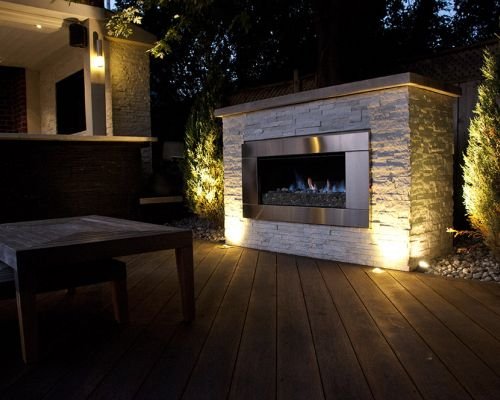
Creative Strategies to Craft Functional and Inviting Outdoor Retreats
Creating outdoor retreats in Toronto means designing spaces that are both inviting and tailored to the homeowner’s lifestyle. It’s about more than just planting a few shrubs or adding a patio; it’s about crafting a sanctuary where every element serves a purpose and enhances the overall experience. Asking the right questions and truly listening to clients’ needs helps shape a yard that feels personal and functional. Whether they desire a peaceful oasis, an entertaining hub, or a versatile outdoor area, understanding their priorities guides every decision.
Layering different features adds depth and interest. Comfortable seating nestled among lush greenery, focal points like water features or fire pits, and well-placed lighting create a welcoming atmosphere. These elements work together to transform a simple yard into a space that encourages relaxation and social gatherings. Proper placement and scale are key to maintaining visual harmony, ensuring the yard feels cohesive rather than cluttered.
Visual consistency plays a crucial role in creating a balanced retreat. Using a unified color palette, matching materials, and proportionate features ties the design together. Natural stone pathways that complement the home’s exterior or plants blooming at different times add texture and color, enriching the landscape’s appeal. These aesthetic choices support practicality by guiding movement and defining zones within the yard.
Integrating client preferences with eco-friendly ideas makes the space more meaningful and sustainable. Features like a small pond, a cozy firepit, or specific native plants reflect personal taste while enhancing ecological health. Digital renderings or mood boards help clients visualize the finished design, fostering collaboration and confidence. This process ensures the final landscape aligns with their vision while incorporating sustainable practices that promote longevity.
Innovative touches elevate outdoor retreats into truly special spaces. Automated lighting highlights key features, rain gardens manage stormwater naturally, and smart irrigation conserves water. These modern elements not only boost convenience but also reinforce the yard’s eco-conscious design. When all features work in harmony, the result is a landscape that’s both stunning and resilient, capable of withstanding Toronto’s seasonal shifts.
By thoughtfully combining functionality, beauty, and sustainability, designers create outdoor spaces that are more than just visually appealing—they become personal sanctuaries. Every choice, from plant placement to feature selection, contributes to a cohesive and inviting environment. When these elements come together seamlessly, the yard transforms into a retreat that enhances daily life and respects the natural environment.
The key is to craft a space that feels natural and effortless, encouraging homeowners to enjoy their yard year-round. Thoughtful planning, layered features, and sustainable practices foster a sense of harmony and comfort. As a result, these outdoor retreats not only elevate the property’s value but also become cherished parts of everyday living—places where design and purpose meet to create lasting beauty.
Balancing Beauty with Environmental Responsibility in Garden Design
Creating yards that captivate the eye while respecting the environment requires a thoughtful blend of design and sustainability. Native plants are the cornerstone of eco-friendly landscapes in Toronto. They thrive naturally in the local climate, needing less water, fertilizers, and pesticides. This not only keeps the landscape vibrant and resilient year-round but also reduces ongoing maintenance and resource use. Pairing these plants with recycled or locally sourced materials—such as reclaimed wood or permeable pavers—further minimizes environmental impact and helps the yard seamlessly integrate into its surroundings.
Good design principles are essential to balance beauty and eco-responsibility. Focal points like water features, sculptures, or thoughtfully placed planting beds draw the eye and add interest without overwhelming the space. Scale and proportion matter; well-designed pathways, zones for relaxing or dining, and carefully curated plantings create harmony and functionality. These elements work together to produce a landscape that feels inviting and cohesive, encouraging enjoyment and easy upkeep.
Eco-friendly practices extend beyond plant selection and materials. Permeable surfaces, like gravel or permeable pavers, allow stormwater to naturally infiltrate the ground, reducing runoff and protecting Toronto’s waterways. Rain gardens and smart irrigation systems help conserve water while maintaining lush greenery. These features prove that sustainability doesn’t mean sacrificing beauty—in fact, they often enhance the landscape’s overall resilience and appeal. Integrating such elements results in yards that look stunning and perform reliably through all seasons.
Clear communication with clients about these sustainable choices builds trust and understanding. When homeowners grasp how native plants and eco-friendly materials contribute to both aesthetics and environmental health, they become more invested in their yard’s care. Visual tools like mood boards or mockups help clients see the potential, making it easier to align expectations and ensure their vision is realized. This collaborative process fosters a sense of ownership and pride, reinforcing the landscape’s long-term success.
Designing with sustainability in mind creates outdoor spaces that are both beautiful and durable. Thoughtful plant selection, eco-conscious materials, and innovative features like rain gardens or solar lighting produce yards that are not only visually striking but also resilient over time. By weaving these elements into every decision, landscape professionals craft gardens that stand out for their artistry and environmental responsibility. The result is a landscape that enhances the property’s value, supports local ecosystems, and provides a peaceful retreat for years to come.
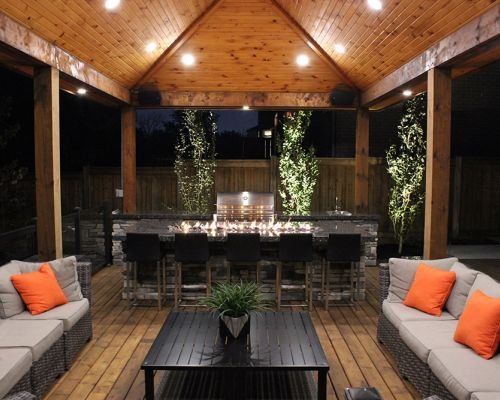
Ongoing Care Tips to Preserve Elegance and Eco-Friendliness Over Time
Maintaining the beauty and sustainability of a Toronto yard requires consistent, mindful care. Regular routines like seasonal pruning, mulching, and weed control keep plants healthy and vibrant, preventing overgrowth and pest issues. These practices also promote strong, resilient growth, ensuring the landscape remains inviting year after year. Installing efficient, weather-adaptive irrigation systems helps deliver the right amount of water, conserving resources and reducing waste, especially during Toronto’s fluctuating seasons.
Beyond routine tasks, adopting eco-friendly maintenance methods can turn yard care into an act of environmental stewardship. Composting yard waste enriches the soil naturally, reducing landfill contributions and supporting healthier plant growth. Mindful watering—early in the morning or late in the evening—minimizes evaporation and conserves water. Educating homeowners on natural pest management techniques fosters a balanced ecosystem, lessening reliance on chemicals and encouraging sustainable health for native plants.
Regular inspections are key to catching issues early. Monitoring for pests, diseases, or signs of stress allows for quick intervention, which keeps plants thriving and prevents costly repairs. This proactive approach not only preserves the yard’s aesthetic appeal but also minimizes environmental impact by reducing chemical treatments. It encourages homeowners to take an active role in their landscape’s ongoing health, fostering pride and responsibility.
Sustainable yard care is a mindset that extends beyond individual practices. Simple habits like mulching leaves instead of bagging, choosing drought-tolerant native plants, and promptly repairing drainage problems help the landscape withstand Toronto’s seasonal challenges. These small, consistent actions build healthier soil and stronger plants, creating a self-sustaining environment that requires less intervention over time.
A well-maintained outdoor space becomes a source of pride and a reflection of eco-conscious living. When homeowners incorporate sustainable routines into their regular care, they support their yard’s natural beauty while actively protecting local ecosystems. This ongoing effort results in a resilient landscape that remains vibrant with less effort and fewer resources, making year-round enjoyment easier and more sustainable.
Adjusting watering schedules based on weather, adding mulch to conserve soil moisture, and pruning to promote healthy growth are simple steps that extend the life of the landscape. These deliberate actions strengthen the yard’s ability to adapt to Toronto’s seasonal shifts, helping it stay lush and healthy. Over time, such habits foster a deeper connection between homeowners and their outdoor space, encouraging ongoing stewardship.
Incorporating new eco-friendly innovations can further enhance long-term sustainability. Installing rain barrels to collect stormwater, upgrading to solar-powered lighting, or planting native varieties suited to climate changes keeps the landscape resilient. Embracing emerging practices and technology ensures the yard remains both beautiful and environmentally responsible, adapting seamlessly to evolving conditions.
Finally, cultivating a mindset of continuous care and awareness ensures the landscape’s lasting appeal. Regularly reassessing plant health, soil conditions, and water use helps homeowners make informed decisions that boost sustainability. This proactive approach not only preserves the yard’s visual charm but also contributes to a healthier, more sustainable Toronto environment. Through attentive, eco-conscious maintenance, outdoor retreats become enduring sanctuaries that enrich daily life and support the broader ecosystem for years to come.