



What if the greatest obstacle to learning to swim isn’t the water itself, but the courage to take that first step? This inspiring guide explores how people of all ages can transform fear into confidence, safety, and joy in the water. It traces the evolution of swimming education—from informal survival skills to modern, inclusive programs that emphasize safety, fun, and personal growth. Whether you’re a hesitant adult or a cautious child, the journey is about persistence and celebrating small victories. Supportive tools like floaties and expert instruction help novices build trust, gradually turning anxiety into mastery. Learning to swim isn’t just about strokes or floatation—it’s a pathway to resilience, independence, and lifelong enjoyment of water activities. The real question is: are you ready to dive in and discover the freedom waiting on the other side of that first courageous splash?
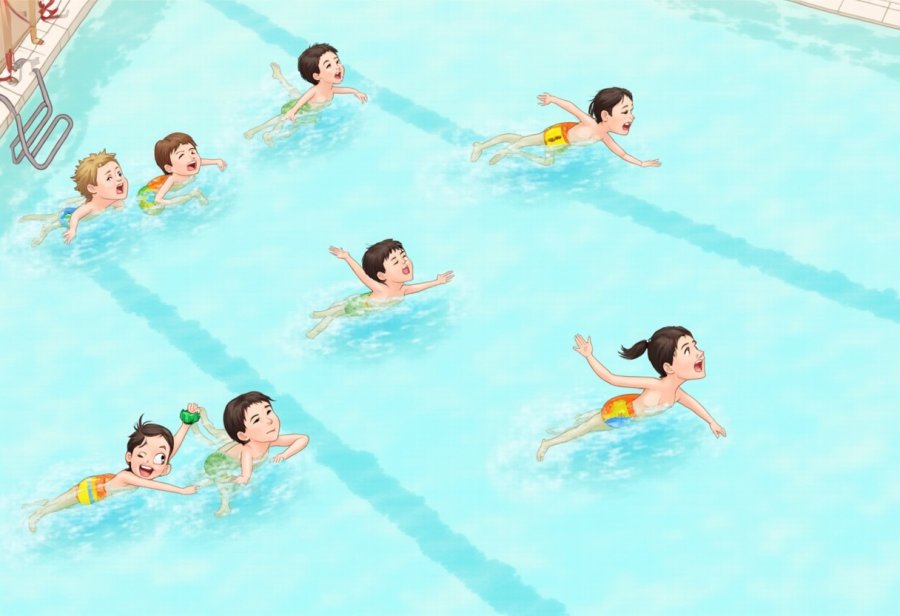
Transformative Journeys: Embracing Water Confidence at Any Age
Learning to swim is about more than just mastering strokes or floating techniques; it’s a personal journey that can reshape how you see yourself and the water around you. For many, water represents challenge, fear, or vulnerability. Facing those feelings head-on often leads to surprising breakthroughs—confidence, safety, and a sense of freedom that many never expected to find. Whether you’re a young adult finally stepping into the pool or someone overcoming a lifelong anxiety, every small step forward can be a powerful move toward transformation.
Starting this journey might seem intimidating at first. Water fears are common and often rooted in childhood memories or past experiences. But the beauty of learning to swim at any age is that progress isn’t about perfection—it’s about persistence. Gently getting comfortable by sitting poolside, splashing lightly, or just touching the water can gradually break down those initial barriers. Patience is key, and recognizing each small success paves the way for more confidence.
As you build your water skills, you’ll notice how each new ability—whether floating, breathing control, or kicking—contributes to a bigger picture. These milestones aren’t just about becoming a proficient swimmer; they’re about reclaiming control over your comfort zone. With every splash and stroke, water shifts from a source of fear to a space of joy and empowerment. That mental shift makes everyday outings to pools or beaches less stressful and more enjoyable.
Learning to swim also involves emotional growth. Overcoming anxiety enhances resilience, boosts self-esteem, and encourages you to face new challenges with a calmer mindset. It’s not about eliminating fear but developing trust in your abilities. Support from instructors, friends, or family can make all the difference, helping you stay motivated through setbacks and celebrating every breakthrough.
Support tools like floaties or kickboards are more than just aids—they’re confidence builders. They allow you to focus on specific skills without the fear of sinking, making practice sessions feel safer and more approachable. As trust in the water grows, reliance on these aids decreases naturally, turning initial hesitation into genuine mastery.
Every step in learning to swim is a step toward lifelong benefits. The confidence gained in the water extends beyond the pool, influencing how you handle stress, face challenges, and enjoy water-related activities. It’s a reminder that it’s never too late to start, and with patience and persistence, progress is always within reach. The journey to water confidence is deeply personal, but its rewards are universal—freedom, safety, and a newfound love for the water.
Tracing the Roots: The Evolution of Swimming Education
The way we learn to swim has a long history that reflects both safety concerns and technological progress. Early methods were often informal, passed down through families or communities, focusing on instinctive survival skills like floating, kicking, and water awareness. These lessons aimed to help individuals stay afloat and react to water dangers but lacked consistency and structure. As water safety gained prominence, more organized approaches emerged, influenced by scientific insights into human movement and rescue techniques.
In the 19th and early 20th centuries, swimming instruction became more formalized. Teachers developed methods that balanced safety with efficiency, introducing strokes like the front crawl and backstroke. These innovations made swimming more accessible and safer, especially as public pools and swim clubs grew. Floatation devices and rescue equipment supported beginners, helping them feel more secure and encouraging longer practice sessions, which built confidence over time.
Advances in biomechanics and water safety research refined teaching practices further. Modern lessons now combine practical skills with safety awareness, guiding learners through floating, breathing control, and stroke techniques at a comfortable pace. This evolution has made learning to swim safer and more effective, allowing students to develop their skills without feeling overwhelmed. As a result, confidence in the water naturally increases with each new ability mastered.
Today’s tools and resources have transformed how swimming is taught. Video tutorials, instructional aids like kickboards, and specialized drills break down complex movements into manageable steps. These aids help simplify learning, making progress feel achievable and less intimidating. The focus is on a gradual progression—from water familiarization and breathing exercises to mastering strokes—fostering a sense of achievement that motivates continued practice.
The emphasis on safety, inclusion, and enjoyment remains central. Instructors are trained to teach not only swimming strokes but also rescue techniques and water safety protocols, which are crucial for accident prevention. Many programs actively work to reduce barriers for marginalized groups, recognizing that equitable access to water skills is essential for community safety and individual confidence. These efforts help make swimming a lifelong skill accessible to all.
Technological innovations, such as online tutorials, virtual coaching, and even virtual reality simulations, are expanding access and comfort. These tools allow learners to practice in controlled environments before entering pools, helping to build water confidence at their own pace. They also accommodate different learning styles and schedules, making swimming education more flexible and inclusive.
Understanding the history of swimming education highlights how far the practice has come—from informal survival lessons to structured, inclusive programs designed with safety and enjoyment in mind. This progress reassures learners that their journey is part of a long tradition of growth and innovation, making the process of learning to swim more approachable and rewarding for everyone.
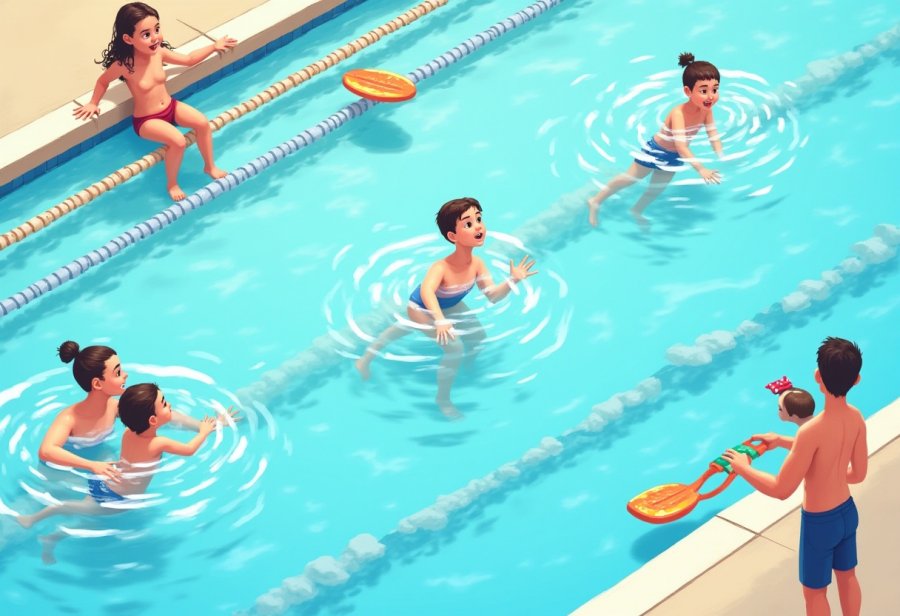
Today’s Water Learning: Diversity, Inclusion, and Innovation
Today’s approach to learning to swim is more diverse and inclusive than ever before, reflecting a broad range of needs, cultural attitudes, and technological advancements. In schools, structured lessons are commonplace, especially for children, focusing on building fundamental water skills, safety awareness, and confidence. These programs are tailored to different ages and developmental stages, making the process feel natural and engaging. Community pools and local centers also play a vital role by offering accessible classes that emphasize gradual progress and comfort in the water, encouraging lifelong skills.
For adults, the landscape shifts toward personalized instruction and specialized courses. Many find that private lessons or small-group settings help overcome specific fears and improve technique more effectively. Modern tools like video tutorials, virtual coaching, and supportive equipment such as floatation aids make mastering water skills less intimidating. The overarching goal remains to create a welcoming environment where learners can progress at their own pace, enjoy the journey, and build confidence.
Regional differences significantly influence how swimming is taught. In some countries, swimming is regarded as an essential life skill, with early education and widespread access to public pools. These regions often integrate swimming lessons into school curricula and community programs, ensuring most people develop critical water safety skills from a young age. Conversely, other areas may have fewer facilities or cultural traditions that focus less on swimming, relying more on informal or family-led learning. These variations shape how water skills are passed down and practiced across different communities.
Safety continues to be a central focus in today’s swimming education. Instructors are extensively trained not only to teach strokes but also to perform rescues and respond to emergencies. This emphasis helps prevent accidents and builds trust, especially among those initially hesitant or anxious about water. Many initiatives actively work to reduce barriers for marginalized groups, recognizing that equitable access to water skills enhances community safety and individual confidence.
Technology is transforming how people learn to swim. Online tutorials, video demonstrations, and mobile apps allow learners to practice and review skills at their own convenience. Virtual reality environments are emerging, simulating water experiences to help beginners acclimate in controlled settings before entering actual pools. These innovations make water education more flexible and accessible, accommodating different learning styles and schedules, and helping more people take that first step with confidence.
Cultural attitudes towards water influence teaching methods and participation. In regions where swimming is a social and recreational mainstay, children often learn early through community-driven activities. Others prioritize survival skills or recreational swimming based on environmental factors or safety concerns. Despite these differences, the trend is clear: making water learning enjoyable, safe, and inclusive is now a universal goal, encouraging lifelong engagement with the water.
Standards and regulations play a crucial role in maintaining quality across various settings. Certified instructors, safety protocols, and regular inspections ensure high standards are met, whether in schools, community centers, or private lessons. Accreditation systems verify that programs follow best practices, guaranteeing effective, safe instruction regardless of location. This consistency reassures learners that they are in good hands, regardless of where they begin their swimming journey.
From Safety to Serenity: Practical Benefits of Swimming Skills
Learning to swim provides more than just the ability to move through water; it offers essential skills that can make a real difference in everyday safety. Knowing how to float, tread water, or stay calm in unexpected situations can buy critical seconds and prevent panic from taking over. When you’re confident in your water skills, you’re better equipped to handle emergencies calmly and effectively, turning a potentially dangerous moment into a manageable one.
Building water confidence also unlocks new recreational opportunities. Whether it’s swimming with friends, exploring lakes, or trying water sports, trusting your abilities opens the door to experiences that might have seemed intimidating before. This sense of mastery fosters independence and encourages a more active, adventurous approach to water activities, transforming fear into enjoyment.
The mental benefits of learning to swim extend beyond safety. Overcoming fears and gaining new skills boost resilience, self-esteem, and a sense of control. Each small success—such as floating unaided or swimming across a lane—reinforces your trust in yourself, encouraging you to try more challenging activities with confidence. As your skills grow, so does your willingness to explore deeper waters or participate in new aquatic adventures.
Support tools like floaties, kickboards, or gentle exercises help simplify the learning process. They allow you to focus on specific skills—like breathing or kicking—without the fear of sinking. These aids act as confidence boosters, helping you feel more secure as you develop your abilities. Over time, as trust in the water increases, reliance on these supports naturally decreases, paving the way for genuine mastery.
Patience and consistent practice are key. Rushing or pushing too hard can lead to frustration, but celebrating small victories keeps motivation high. Whether it’s floating on your back or swimming a few strokes, recognizing progress builds a positive cycle of confidence and skill development. Each session in the water becomes an opportunity to reinforce your trust in your capabilities.
The safety benefits of water skills extend into many aspects of life. When you trust your ability to stay afloat and react calmly, panic is less likely to cloud judgment in real emergencies. This calmness often makes the difference between a minor incident and a more serious situation, underscoring how fundamental water competence is for overall safety.
Ultimately, learning to swim transforms water from a source of anxiety into a space of confidence and joy. It’s a skill that empowers you to enjoy water safely and fully, whether in pools, lakes, or oceans. Developing these abilities not only enhances your safety but also enriches your life—encouraging ongoing exploration, adventure, and a lifelong connection with water.
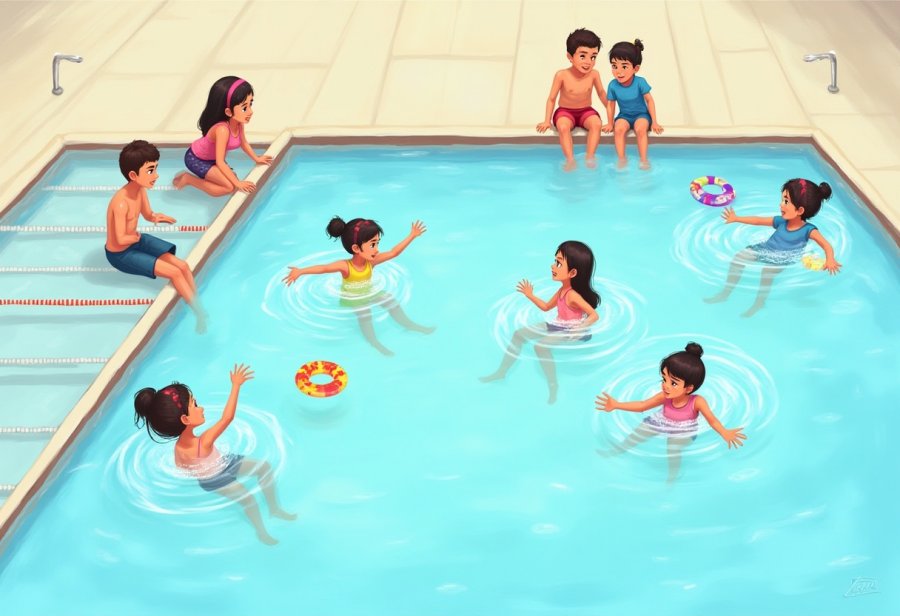
Celebrating Progress: Continuing Your Water Confidence Adventure
Finishing your water confidence journey isn’t about reaching a final destination; it’s about recognizing and celebrating how far you’ve come. Every splash, every successful stroke, and each moment of calm trust in the water adds to a stronger, more resilient relationship with water. These small victories prove that progress is personal, and persistence truly pays off. Recognizing your achievements keeps motivation high and encourages you to keep exploring what’s next.
Water confidence isn’t a one-time goal—it’s a lifelong skill that deepens with continued practice and new experiences. Even after mastering basic strokes and safety techniques, opportunities to try new water activities or explore deeper waters will keep your skills sharp and your love for water alive. Staying curious and open-minded helps your journey evolve from simple mastery to genuine enjoyment, making every swim an opportunity for growth and fun.
Overcoming water anxiety is a deeply personal process. Some days will feel easier than others, and setbacks are part of the path. The key is your willingness to move forward, to see challenges as chances to learn rather than obstacles. Each small step demonstrates resilience and a commitment to your safety and happiness. Trust that your skills and confidence will continue to grow as long as you stay patient and persistent.
Support from instructors, friends, or family plays a vital role in maintaining momentum. Their encouragement turns doubts into breakthroughs, fueling your progress. As your confidence builds, you’ll find yourself more willing to try new activities or venture into deeper waters, knowing you have the skills to handle them. This sense of empowerment extends beyond the pool, shaping a mindset rooted in calmness, resilience, and readiness for life’s challenges.
Now, water feels more like a space where you belong, not a place of fear. The shift from anxiety to confidence reflects your dedication and courage. Keep setting small, achievable goals and celebrating each success, whether it’s floating unaided, swimming across a lane, or simply feeling more relaxed. These victories reinforce your growth and deepen your connection with water, transforming it into a lifelong source of joy, safety, and adventure.
Your journey doesn’t end here; it continues as you seek new skills, explore different waters, and share your confidence with others. The foundation you’ve built empowers you to participate in water sports, enjoy family outings, or simply relax without worry. Each new challenge is an opportunity to deepen your bond with water and yourself, turning what once felt like a hurdle into a lifelong adventure of learning, enjoyment, and resilience.