


Learning to drive is a pivotal milestone filled with a mixture of excitement and anxiety, especially for teenagers facing the emotional hurdles of new skills and safety concerns. This journey from nervousness to confidence involves more than mastering steering; it’s about managing stress, fears, and self-doubt through supportive environments, incremental goals, and practical techniques like visualization and mindfulness. Success stories highlight how patience, encouragement, and innovative tools—such as virtual reality simulations and AI-driven coaching—transform nerves into resilience. As technology advances, the future promises safer, more empowering driver education with adaptive systems and immersive training that prepare teens for real-world challenges. But can these innovations fully bridge the emotional gap, or will the road to true confidence always require a personal touch of patience and understanding? This evolving landscape invites us to rethink how we nurture the next generation of safe, confident drivers—turning road fears into independence.
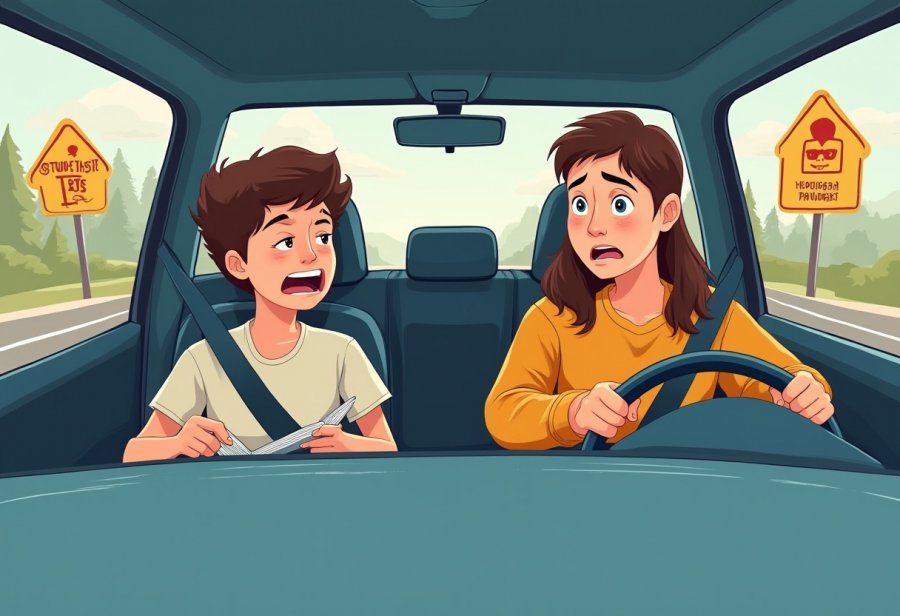
Navigating the Emotional Roadblock: Understanding Teen Driving Anxiety
Learning to drive is a major milestone that many teenagers eagerly anticipate, but it often comes with a mix of excitement and nerves. Sitting behind the wheel for the first time can feel overwhelming, especially when teens think about all the new skills they need to master and the unpredictability of traffic. It’s common to feel self-doubt—worrying about making mistakes, causing accidents, or simply not feeling in control. These feelings of anxiety don’t just fade after a few lessons; they can linger and influence how teens approach driving and their confidence behind the wheel.
Many teens underestimate the emotional hurdles involved in learning to drive. Feelings of hesitation, fear of failure, and concerns about safety can create a mental barrier that makes even simple tasks seem daunting. It’s normal to question whether they’re capable of handling complex situations, like merging onto busy highways or navigating tricky intersections. This internal struggle can dampen enthusiasm for independence, turning what should be an exciting step into a source of stress.
External factors also play a role. Some teens grow up around cars or have supportive families that boost their confidence, while others may have negative experiences or prior anxieties that make them hesitant. Limited practice time or stressful environments can further heighten their fears. Parental attitudes and peer influences shape perceptions—positive support can encourage bravery, but criticism or impatience can intensify nerves.
The initial driving lessons often feel like a rollercoaster. Heart pounding, sweaty palms, and cautious glances in mirrors are common reactions. These natural responses can become obstacles if left unaddressed, turning simple maneuvers into intimidating challenges. Recognizing these emotional reactions as normal is the first step toward helping teens develop a healthier mindset.
Supporting teens through this emotional terrain requires more than just technical instruction. Normalizing their feelings and providing reassurance that nerves are part of the process can make a significant difference. Creating a safe, patient environment where they can express fears without judgment encourages openness. When teens feel understood and supported, they’re more likely to develop resilience and a positive attitude toward the road ahead.
Building confidence isn’t about eradicating nerves entirely but learning to manage them. Techniques like deep breathing, visualization, and mindfulness can help teens stay calm and focused during practice and real driving. Breaking down tasks into small, achievable steps allows success to build gradually, turning anxiety into motivation. This approach helps teens trust their abilities more with each experience, fostering both skill and confidence.
Ultimately, learning to drive is as much an emotional journey as a technical one. It involves discovering personal limits, recognizing strengths, and handling stress effectively. Supporting teens emotionally lays the foundation for safe driving and resilience beyond the road, turning nerves into confidence and independence.
Building Confidence Step by Step: Strategies to Support Nervous Teen Drivers
Supporting nervous teen drivers begins with creating a calm and patient environment. When teens feel safe and supported, they’re more willing to try new skills and push through their fears. Starting in quiet neighborhoods or empty parking lots allows teens to practice basic maneuvers without the pressure of busy traffic. As their confidence grows, they can gradually move on to more challenging settings like busy streets or highway ramps. This step-by-step exposure makes each new challenge feel more manageable and less intimidating.
Setting small, achievable goals is a powerful way to boost confidence. When teens succeed at manageable tasks—such as merging onto a quiet street or parking smoothly—they experience a sense of accomplishment. These small wins reinforce their belief in their abilities, encouraging them to take on bigger challenges. Focusing on effort and progress rather than perfection helps foster a growth mindset, making each success a building block for greater confidence.
Open communication is essential in easing driving fears. Teens should feel comfortable sharing their worries and asking questions without fear of judgment. Listening actively and offering reassurance helps them process their feelings and understand that nerves are normal. When adults respond with empathy, it builds trust and makes teens more likely to approach driving with confidence. This dialogue also clarifies misconceptions and teaches coping strategies, turning stressful moments into opportunities for growth.
Positive reinforcement plays a key role in building self-esteem. Praising small successes—like confidently navigating a tricky turn or staying calm in traffic—encourages teens to approach driving with enthusiasm rather than fear. Recognizing effort, not just results, helps teens see their skills improving over time and keeps them motivated. This supportive feedback creates a buffer against setbacks and makes the learning process more rewarding.
Incorporating fun, low-pressure practice sessions can make learning to drive more enjoyable. Playing light music, choosing scenic routes, or setting friendly challenges helps teens associate driving with positive experiences. When practice feels less like a chore, nerves tend to diminish, and teens become more eager to explore new scenarios. These relaxed sessions also help develop vehicle control and decision-making skills in a stress-free environment.
Technology offers powerful tools to support nervous teen drivers. Virtual reality simulations and driving apps expose teens to a variety of traffic situations in a safe, controlled space. Repeated practice in these environments helps build muscle memory and familiarity, reducing anxiety during real-world driving. When paired with guidance from supportive adults, these tools boost confidence and help teens approach actual driving with greater calm.
Supporting teens emotionally involves more than just technical skills; it’s about teaching them to manage stress and build resilience. Techniques like mindfulness, deep breathing, and visualization help teens stay calm during practice and on the road. Learning to focus on their breath or imagine successful drives shifts their mindset from anxiety to confidence, making stressful moments more manageable and helping them develop emotional strength.
Finally, tailoring learning approaches to each teen’s style enhances their confidence. Some teens absorb information best through visual aids, while others prefer hands-on practice or guided discussions. Using a mix of methods keeps the learning engaging and less overwhelming, allowing teens to develop skills at their own pace. Regular, positive practice combined with encouragement helps transform nerves into a sense of readiness and independence.
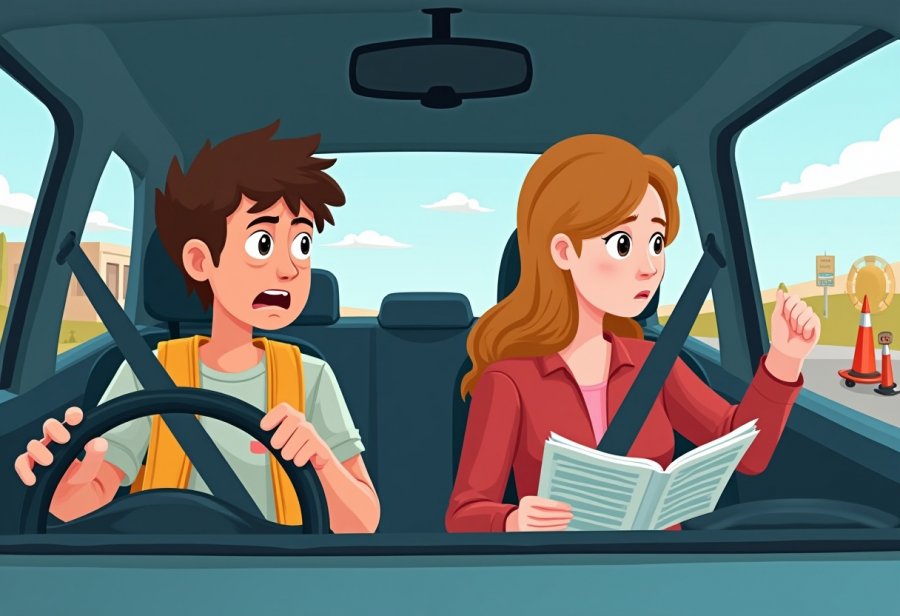
Practical Tools and Techniques: Equipping Teens for Safe and Confident Driving
Supporting nervous teen drivers involves equipping them with practical techniques and tools that make learning and driving more manageable and confidence-building. One of the most effective methods today is the use of virtual reality and driving apps. These tools simulate real traffic scenarios in a safe, controlled environment, allowing teens to practice reacting to pedestrians, sudden stops, tricky turns, and other challenges without the pressure of actual on-road driving. Repeated exposure in these virtual settings helps build muscle memory and familiarity, making real-world situations feel less intimidating when they occur.
Pairing technology with traditional practice creates a balanced approach. Virtual simulations act as a rehearsal space, easing initial anxiety before teens get behind the wheel. When supported by calm guidance from parents or instructors during these sessions, teens develop a sense of safety and trust that encourages them to try new skills with confidence. This blend of practice methods helps reduce nerves and boosts readiness for real traffic conditions.
Guidance from supportive adults remains crucial. Clear, consistent instructions combined with positive reinforcement help teens internalize good habits and see mistakes as part of the learning process. Instead of focusing on perfection, emphasizing effort and progress fosters a growth mindset. When teens recognize their small successes—such as mastering a turn or parking smoothly—they gain confidence and motivation to tackle more complex driving tasks.
Building a growth mindset also involves teaching teens that improvement takes time and patience. Celebrating incremental victories, like calmly merging onto a highway or staying centered in a lane, reinforces their belief that they can handle bigger challenges. This mindset shift transforms driving from a source of fear into an opportunity for personal growth, encouraging resilience and persistence.
Stress management techniques like mindfulness, deep breathing, and visualization are increasingly integrated into driver education. These methods help teens stay calm during both practice and real driving. Learning to focus on their breath or imagine successful drives shifts their mindset from anxiety to focus, enabling them to maintain clarity and composure during stressful moments.
Tailoring learning approaches to each teen’s preferred style boosts confidence further. Some teens learn best through visual aids like diagrams or videos, while others benefit more from hands-on practice or guided discussions. Using a mix of these methods keeps the learning engaging and less overwhelming, making it easier for teens to absorb new skills and approach driving with a positive attitude.
Finally, incorporating these practical techniques into a consistent routine supports steady progress. Regular practice, combined with encouragement and personalized strategies, helps teens build on their successes gradually. As they gain experience and confidence through these tools, their nerves diminish, replaced by a sense of independence and control. This comprehensive approach not only prepares teens to drive safely but also helps them develop resilience that benefits them beyond the road.
Real-Life Triumphs: Inspiring Stories of Teens Conquering Driving Fears
Many teens have inspiring stories of overcoming their driving fears and gaining confidence behind the wheel. Take Sarah, for example. When she first started learning, highway merges and busy streets seemed impossible to handle. With her dad’s patience and plenty of practice in quiet neighborhoods, she gradually built her skills. Over time, Sarah found herself navigating heavy traffic with ease, feeling more in control and less anxious. Her journey shows how consistent support and gradual exposure can turn nerves into real confidence.
Then there’s Jake, who initially struggled with anxiety about making mistakes. He worried about hitting another car or losing control, which made each practice stressful. To combat this, Jake began using virtual driving apps that simulate real traffic scenarios. These tools let him familiarize himself with tricky situations without the pressure of actual on-road driving. After practicing virtually, he felt more prepared and calm during his first few lessons. His experience highlights how technology can be a powerful confidence builder for hesitant teens.
Many teens also find that celebrating small wins makes a big difference. Jessica remembers her first successful parallel park and her first drive on a busy street. Each moment felt like a major victory after days of hesitation and doubt. Her parents’ encouragement and patience helped her see setbacks as part of the learning process. These small successes gradually boosted her confidence, proving that progress often happens one step at a time and that persistence pays off.
Supportive environments play a crucial role in building confidence. Teens who have parents or instructors who listen, encourage, and avoid criticism tend to develop healthier attitudes toward driving. For Lucas, his mom’s praise for effort rather than perfection made him more willing to try challenging maneuvers. When he felt nervous about merging onto the highway, her reassurance helped him push through his fears. These stories demonstrate how emotional support can transform anxiety into a sense of capability, making the road to independence smoother.
What’s clear from these real-life examples is that overcoming driving fears isn’t about being perfect right away. It’s about persistence, patience, and having the right support. Each teen’s progress shows that with consistent effort, encouragement, and a little courage, nerves can turn into genuine confidence. Their journeys remind us that learning to drive is as much about personal growth as mastering the mechanics of the road—building resilience, trust, and independence along the way.
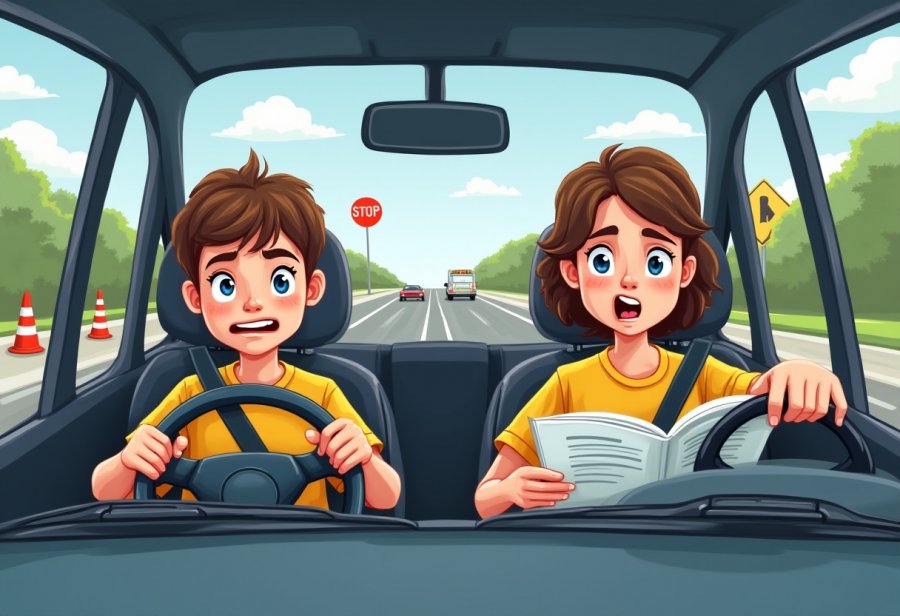
Shaping the Future: Innovations and Trends in Teen Driving Confidence
The future of teen driving confidence is set to be reshaped by a wave of innovative technologies designed to make learning and driving safer, less stressful, and more empowering. Advanced driver-assistance systems like adaptive cruise control, lane-keeping assist, and collision avoidance are becoming increasingly user-friendly and widespread. These features act as safety nets, easing some of the anxiety new drivers often feel and helping them build trust in their skills gradually as they get familiar with the road.
Meanwhile, virtual reality (VR) and augmented reality (AR) are revolutionizing driver training. These immersive tools simulate complex traffic scenarios—such as merging onto busy highways or navigating tricky intersections—in a controlled, risk-free environment. Repeated practice in VR helps teens develop quick reactions and decision-making skills, reducing nerves and increasing confidence before they hit real traffic. As these simulations become more realistic and accessible, they’ll play a bigger role in preparing teens for the realities of driving, turning initial fears into familiarity and comfort.
Educational programs are also evolving with AI-driven personalized coaching. These systems analyze each teen’s learning style, identify weaknesses, and tailor lessons accordingly. This targeted approach makes learning more efficient and less intimidating, helping teens feel more prepared and confident when they finally get behind the wheel. Knowing they’ve received customized guidance boosts their sense of readiness and reduces early-stage anxiety, paving the way for smoother progress.
Mindfulness techniques like deep breathing, visualization, and stress management are increasingly integrated into driver education. Teaching teens how to stay calm and focused during practice and on the road helps them handle stressful situations more effectively. As they learn to control their emotional responses, driving becomes less about fear and more about confidence—fostering resilience that extends beyond the vehicle into other areas of life.
Connected vehicle technology and smart infrastructure are also shaping the future landscape. Vehicles communicating with each other and traffic systems can help prevent accidents and reduce congestion, creating a safer, more predictable environment for new drivers. These advancements promise a smoother, less overwhelming experience, encouraging teens to develop their skills without the added pressure of unpredictable traffic conditions.
As these innovations take hold, the journey to becoming a confident driver will shift from a nerve-wracking challenge to an empowering experience. Teens will access tools that not only teach them how to operate a vehicle but also help them manage their emotions and build resilience. This integrated approach supports a new generation of drivers who are not only skilled but also emotionally prepared to navigate the complexities of modern roads with assurance.
Looking ahead, blending technology with progressive educational practices could redefine what it means to learn and grow as a driver. By combining safety features, immersive training, personalized coaching, and emotional resilience strategies, we can foster more confident, responsible drivers. This evolution promises to transform the road to independence into a journey of growth, trust, and empowerment, setting teens up for success both behind the wheel and in life.