Embarking on your first camping adventure can seem daunting, yet approaching it with the right mindset transforms uncertainty into excitement. This guide explores how camping offers a refreshing escape from daily stress, encouraging connection with nature and oneself. It demystifies the planning process, emphasizing simplified gear choices and manageable steps that foster confidence. From setting up camp to embracing unpredictable challenges, each moment becomes a valuable story of resilience and discovery. As outdoor technology advances and eco-friendly practices grow, camping is evolving into more accessible, sustainable experiences suitable for all ages and skill levels. The question remains: can a simple shift in perspective turn outdoor adventures into your most rewarding escapes? With patience, flexibility, and curiosity, outdoor life invites everyone to explore, grow, and create unforgettable memories amid the natural world—turning initial fears into lifelong passions.
Reconnect with Nature: An Invitation to Beginners
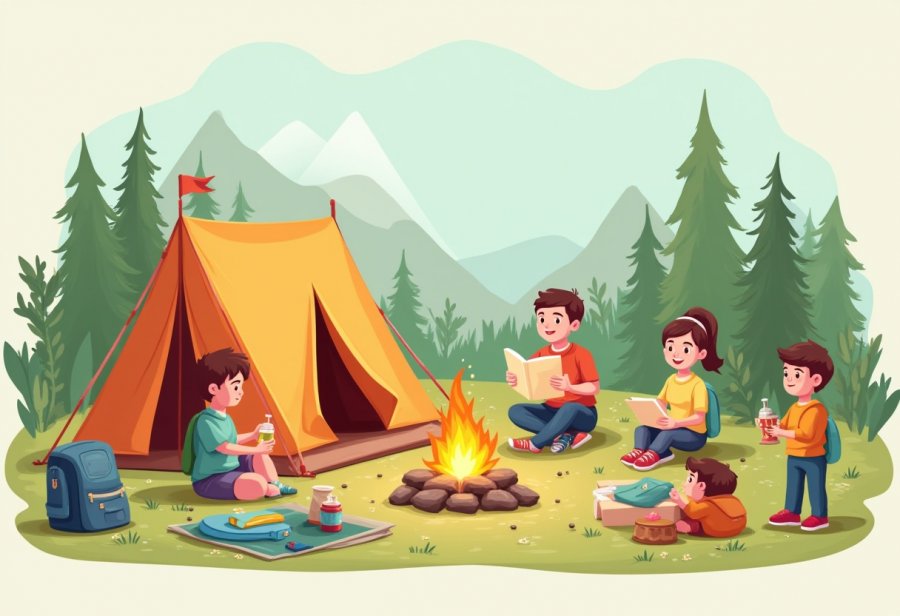
Camping isn’t just about sleeping outdoors; it’s an invitation to step away from the hustle and reconnect with nature in a simple, genuine way. For beginners, the idea of pitching a tent or cooking over an open fire might seem intimidating at first. But what makes camping truly special is how it strips away modern complexity, giving you space to breathe, relax, and explore the world around you. It’s more than just escaping daily routines—it’s about discovering moments of calm, curiosity, and adventure that nature offers freely.
Many people are drawn to camping because it provides a break from screens, city noise, and everyday stress. Out in the wild, you can listen to birdsong, rustling leaves, or the crackle of a campfire—simple pleasures that often get lost amid daily distractions. For first-timers, this kind of reset can be surprisingly restorative, helping clear your mind and lift your spirits. And the best part? Camping doesn’t require a lot of fancy gear or experience; it’s accessible to almost anyone curious enough to try.
It’s normal to feel a little nervous about your first trip—worries about gear, safety, or being far from home are common. But approaching camping as an adventure rather than a challenge can turn those nerves into excitement. Remember, mistakes are part of the process, and each trip builds your confidence. Starting with manageable plans and realistic expectations transforms initial apprehension into eagerness to explore more.
Many beginners also worry about discomfort or managing everything on their own. The truth is, camping often involves a bit of improvisation and learning as you go. Weather surprises, gear hiccups, or small setbacks aren’t failures—they’re part of the experience. Embracing these moments with a positive attitude turns potential frustrations into stories and lessons, making each trip more memorable and less stressful.
At its core, camping is about connection—whether with nature, loved ones, or yourself. It encourages slowing down, observing your surroundings, and appreciating simple pleasures. For many first-timers, it’s the start of a lifelong journey into outdoor adventures that are both relaxing and exhilarating. With the right mindset, your first trip can set the stage for many more memorable experiences, making outdoor life a rewarding and accessible part of your life.
Master the Art of Planning: Essential Steps for Your First Camping Trip
Planning your first camping trip might feel overwhelming, but breaking it down into manageable steps makes all the difference. Start by choosing a beginner-friendly campsite—look for places with basic amenities like restrooms, picnic tables, and clear signage. Staying close to home or picking a site accessible by car helps reduce travel stress and keeps things simple. Reading reviews or asking local outdoor stores for recommendations can point you toward spots that match your comfort level and provide a relaxed environment to begin your outdoor adventure.
Next, focus on creating a straightforward gear checklist. At a minimum, you’ll need a reliable tent, a sleeping bag suited for the weather, and a pad or mat for comfort and insulation. Keep your gear lightweight and easy to set up—simplicity is key for first-timers. Pack food, water, and safety essentials like a first aid kit, flashlight, and weather-appropriate clothing. Avoid overpacking, as carrying fewer items makes setup easier and reduces hassle. Familiarize yourself with your gear beforehand by practicing tent setup and fire-starting techniques in your backyard, which builds confidence and saves time at the campsite.
Planning your meals and activities in advance keeps things relaxed and enjoyable. Simple foods like hot dogs, s’mores, or pre-made trail mix are easy to prepare and fun to eat. Involving friends or family in packing and planning creates shared excitement and a sense of responsibility. Checking the weather forecast before leaving helps you pack appropriately and stay flexible if plans need adjusting. Respect for the environment and local rules, like fire restrictions and wildlife guidelines, ensures safety and helps preserve nature’s beauty for future visits.
Getting to know the area you’re visiting adds an extra layer of confidence. Reading about local wildlife, trail options, and park regulations helps you avoid surprises. Many parks offer maps and resources online, making planning routes and activities easier. Understanding what to expect allows you to focus on enjoying your time rather than stressing over unknowns. Taking a little time to research also helps you plan for potential challenges, so you’re better prepared for a smooth experience.
Mentally preparing yourself is just as important as packing the right gear. Set realistic expectations and remind yourself that things might not go perfectly—and that’s okay. The goal is to enjoy the moment, learn from each step, and have fun. With solid planning and a positive attitude, your first trip can be a rewarding introduction to the outdoors, laying a foundation for many adventures ahead. Remember, every trip is a chance to grow more confident and find joy in the simple pleasures of nature.
Turn Dreams into Reality: Executing and Enjoying Your Outdoor Adventure
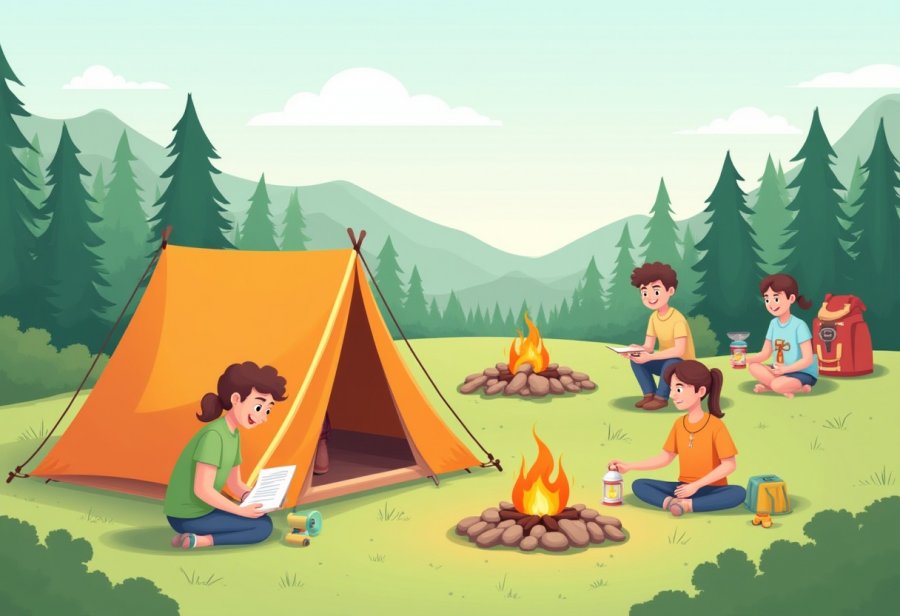
Once you arrive at your campsite, take a moment to get comfortable with your surroundings. Find a flat, dry spot free of rocks and roots to pitch your tent. If you’ve practiced beforehand, setting it up should be straightforward, but double-check that everything’s secure before moving on. Organize your gear nearby so essentials like water, snacks, and a flashlight are within easy reach. This helps you settle in quickly and makes your first hours more relaxed.
As you start to make the space your own, don’t rush through the process. Take your time—camping is as much about the experience as the destination. While organizing, explore the nearby area. Walk around, listen to the sounds of nature, and get familiar with trails or interesting sights. This initial exploration boosts your confidence and helps you feel more at home in your new environment.
When it’s time to prepare food, keep things simple. Use your portable stove or fire carefully, following safety guidelines. Never leave a fire unattended, and make sure it’s fully out before leaving or going to sleep. Sharing a meal around the campfire—whether roasting hot dogs or making s’mores—turns a basic task into a cozy, memorable moment that bonds everyone around you.
Engaging with your group or family adds a special touch to the trip. Share stories, plan your next activity, or just enjoy the peaceful surroundings. Stay flexible—weather shifts or setup hiccups happen, and embracing these surprises makes the experience more fun. Sometimes, a little improvisation, like using a tarp for extra shelter, becomes a funny story you’ll remember fondly.
When evening falls, take time to observe the natural world around you. Watch the sunset, listen to the insects, or gaze at the stars. These quiet, immersive moments deepen your connection with nature and help you unwind. Remember, camping isn’t about perfection; it’s about appreciating the raw beauty of the outdoors and your own adaptability.
If challenges arise—such as unexpected weather or gear mishaps—approach them with patience and a positive attitude. Adaptability transforms potential frustrations into part of the adventure. Whether it’s using a tarp to stay dry or finding a new way to cook, these moments often turn into the most memorable stories. Embracing setbacks as learning opportunities builds resilience and confidence for future trips.
Most importantly, stay present and enjoy the journey. Focus on the sights, sounds, and simple pleasures that make camping special. Every trip offers a chance to grow more comfortable outdoors, turning initial nerves into a sense of accomplishment. With a calm mindset and a spirit of curiosity, your outdoor adventure will be not just successful, but truly rewarding.
Embrace the Unexpected: Overcoming Challenges and Creating Lasting Memories
Camping often throws surprises your way, especially when you’re just starting out. Weather changes, gear mishaps, or unexpected noises can shake your confidence, but these moments don’t have to ruin your trip. Instead, they can become some of the most memorable parts of your outdoor adventure. A sudden rainstorm, for example, might seem frustrating at first, but it can also be a cozy opportunity to listen to the rain tapping on your tent and enjoy a peaceful, calming moment. Seeing challenges as part of the experience helps you shift from frustration to curiosity and fun.
Staying positive and flexible when things don’t go as planned makes all the difference. If your tent setup isn’t perfect or the weather turns, take a deep breath and adapt. Sometimes, a bit of improvisation—like using a tarp to stay dry or finding a new way to cook—turns into a story worth telling later. Approaching setbacks with a calm attitude keeps everyone in good spirits and shows that problems can be part of the adventure, not derail it.
Listening to stories from other beginners reminds us that everyone faces hurdles. Many first-timers struggle with gear or weather, but they also find ways to enjoy themselves despite those challenges. Sharing these experiences can be encouraging, helping you realize that mistakes and surprises are normal. They often lead to good laughs and lessons that boost your confidence for future trips.
Turning challenges into memorable moments requires patience. Instead of rushing to fix everything, slow down and appreciate your surroundings. Watch how the wind moves through the trees or listen to the night sounds. Sometimes, stepping back and embracing what’s happening makes you feel more relaxed and in control. Camping is about experiencing nature and yourself, not about everything going perfectly.
When difficulties arise, focus on what you can control. Prioritize safety—fire safety, weather preparedness, staying hydrated—and don’t hesitate to ask for help if needed. Reaching out to more experienced campers or park staff can turn a tricky situation into a learning opportunity. Building a positive attitude toward tackling problems makes even the toughest moments more manageable and transforms your trip into a story of resilience and discovery.
Explore the Future: Trends and Opportunities in Camping for All
Looking ahead, camping is poised for exciting evolution, making outdoor adventures more accessible and sustainable than ever before. Innovations in lightweight, eco-friendly gear mean you can pack less and leave a smaller footprint without sacrificing comfort or convenience. Solar-powered gadgets and smart technology are increasingly common, offering real-time weather updates, navigation, and safety alerts that boost confidence, especially for newcomers. These advances help transform outdoor trips from daunting to doable, encouraging more people to step outside and explore.
The focus on responsible camping continues to grow. Parks and campgrounds are emphasizing sustainability through biodegradable amenities and eco-conscious practices. This shift not only helps preserve natural spaces but also teaches campers the importance of respecting nature. Family-friendly sites, guided eco-tours, and educational programs are making outdoor experiences more inclusive, engaging, and safe for beginners. These options encourage a wider audience to discover the joys of nature while fostering a sense of stewardship for the environment.
Digital tools are revolutionizing how beginners approach camping. Online communities, social media groups, and review sites share tips and stories that demystify outdoor life. Apps now help you plan trips, find trails, and even practice skills like tent setup or fire-building virtually before you go. Virtual reality experiences give a taste of the outdoors from home, building confidence and curiosity. This digital shift lowers barriers and invites more people to take their first step into the outdoor world, making adventure a shared and supported journey.
Personalized outdoor experiences are expanding, catering to diverse interests and skill levels. Whether you prefer minimalist backpacking, family car camping, or guided eco-tours, the industry offers tailored options that suit your style. This variety ensures everyone can find a way to connect with nature in a way that feels comfortable and rewarding. As outdoor recreation becomes more inclusive, it opens opportunities for lifelong exploration, encouraging everyone to develop their own outdoor story.
Community-building remains central to the future of camping. Local events, workshops, and meetups foster social connections and shared learning among beginners. These gatherings create a supportive environment, helping new campers gain confidence and build friendships. As outdoor enthusiasts grow in number, they form a vibrant, welcoming network that inspires ongoing discovery. This sense of belonging makes outdoor adventures not just a solitary escape, but a shared journey that enriches lives and deepens our collective appreciation for nature.